

Sino-EU relations continue to warm up, which is conducive to the development of cross-border logistics for large engineering equipment.
Release time: 2026-07-22
Bilateral relations between the UK and Europe enter a new stage of repair
European Council President Costa and newly appointed British Prime Minister Burnham have completed their first official phone call, reaching a consensus to deepen bilateral relations between the UK and Europe. They have agreed to hold a new round of the UK EU summit within the year, while also maintaining close coordination in areas such as geopolitics and economic and trade cooperation. This high-level interaction marks a substantial easing of the tense relationship between the UK and Europe after Brexit, and the bilateral trade and logistics cooperation has entered a period of repair and upgrading. For a long time, the trade barriers, new customs regulations, and cross-border regulatory differences brought about by Brexit have become the core factors hindering the two-way flow of goods between the UK and Europe. This bilateral friendly consultation has laid a policy foundation for optimizing rules and simplifying processes in the field of cross-border economic and trade logistics, especially creating a stable external environment for the transportation of large and special goods.
The cross-border clearance barriers for large engineering equipment are gradually being eliminated
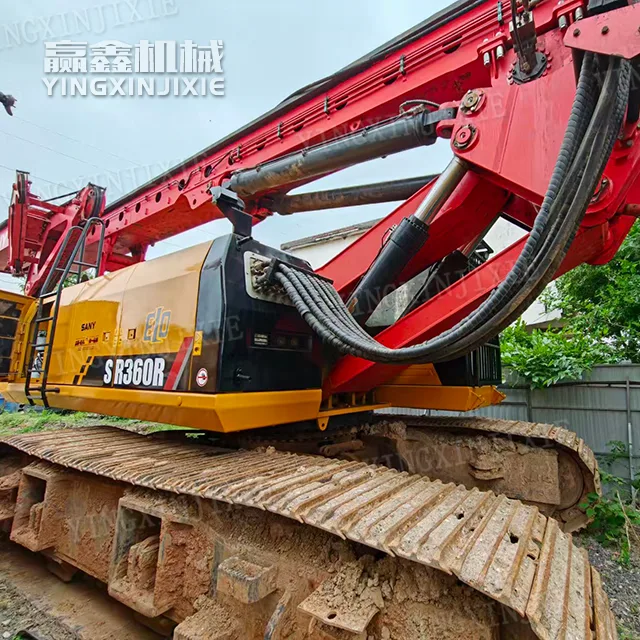
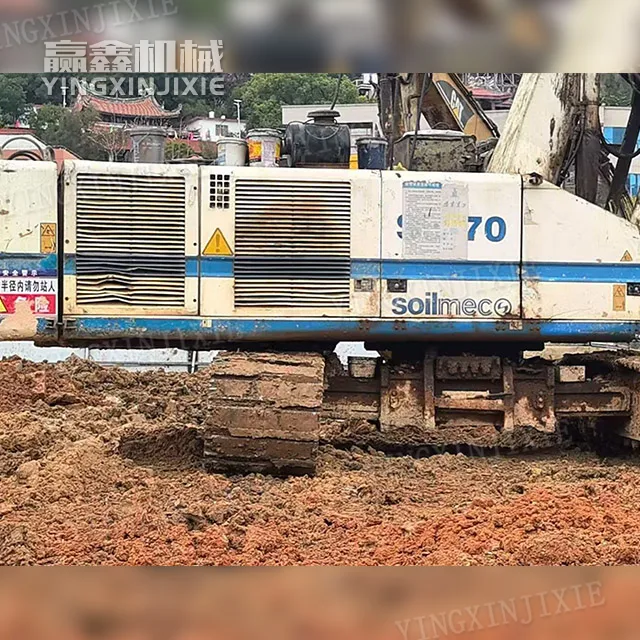
Large infrastructure equipment such as rotary drilling rigs and pile drivers have the characteristics of large volume, excessive weight, complex accessories, and cannot be disassembled for transportation, making them highly difficult goods in cross-border logistics. After Brexit, the UK and EU customs implemented an independent inspection, dual declaration, and multiple qualification verification mechanism. The customs clearance process for such large equipment is cumbersome, requiring not only the submission of a complete set of equipment parameters, certificates of origin, safety testing reports, and other documents, but also special manual inspections. The single customs clearance time has been extended from a few hours before Brexit to several days, which can easily cause equipment to be stranded in ports. With the warming of UK EU relations, both sides are expected to gradually simplify the customs clearance process for large goods, promote mutual recognition of qualifications, reduce repetitive inspections and redundant declaration processes, significantly reduce the risk of cross-border detention of equipment such as rotary drilling rigs and pile drivers, and make the cross-border passage of large engineering equipment between the UK and Europe smoother.
Effective reduction of cross-border logistics costs
The cross-border transportation cost of large engineering equipment includes multiple additional fees such as transportation fees, customs compliance fees, port detention fees, and secondary lifting fees. After Brexit, strict border controls have led to a significant increase in compliance costs for large-scale logistics between the UK and Europe. The additional expenses incurred due to equipment delays, such as warehousing, lifting, and delayed compensation, have further increased the operational burden on engineering companies and logistics service providers. After deepening cooperation between the UK and Europe, bilateral trade barriers will gradually loosen, and the compliance audit costs and additional border inspection costs for large special equipment will continue to decrease. At the same time, improving customs clearance efficiency can effectively avoid additional losses caused by long-term equipment retention, significantly reduce comprehensive logistics costs, and make infrastructure equipment allocation and engineering material circulation between the UK and EU countries more cost-effective.
Cross border transportation system welcomes opportunities for optimization and upgrading
The cross-border transportation of rotary drilling rigs and pile drivers heavily relies on specialized sea freight, tunnel railway transportation capacity for large items, and professional port loading and unloading support services. Previously, logistics cooperation between the UK and Europe was limited, with unstable cross-border freight schedules in the Channel Tunnel, tight allocation of large cargo capacity, and low utilization of special container resources on core routes such as the UK, France, Germany, and the UK. As bilateral cooperation continues to advance, the UK and Europe will restart and increase cross-border freight services, improve the mechanism for the passage of large cargo through the Strait Tunnel, and optimize the cross-border railway and maritime multimodal transport system. A stable supply of transportation capacity and a mature intermodal network can accurately match the long-distance transportation needs of large engineering equipment, solve industry pain points such as insufficient transportation capacity, unstable routes, and low connection efficiency in the past, and build a more efficient logistics channel for large goods between the UK and Europe.
The stability of the European infrastructure equipment supply chain has significantly improved
Currently, infrastructure updates, geotechnical engineering, and pile foundation construction projects in Europe continue to advance, and there is a strong demand for cross-border leasing, allocation, and trade of core equipment such as rotary drilling rigs and pile drivers. The improvement of UK EU relations has completely reversed the previous situation of fragmented supply chains and obstructed circulation, and has opened up barriers to equipment circulation between the UK and EU countries. Engineering enterprises can flexibly allocate idle large equipment between two locations, achieve cross-border equipment resource sharing, and effectively alleviate the problem of regional infrastructure equipment supply-demand imbalance. At the same time, a stable logistics system also ensures the rapid circulation of equipment accessories and maintenance materials, providing solid logistics support for the smooth progress of various infrastructure projects in Europe and promoting a virtuous cycle of regional infrastructure supply chain.
Industry development welcomes new opportunities and new compliance requirements
Overall, the recovery of bilateral relations between the UK and Europe has released multiple benefits for the cross-border logistics industry of large-scale engineering equipment. The dividends of cost reduction, efficiency improvement, and stable supply chain will gradually be realized, helping the two-way development of European infrastructure projects and large-scale logistics industry. However, at the same time, industry practitioners still need to continue to pay attention to the economic and trade details of the UK Europe summit within the year, follow up on the new regulatory regulations, mutual recognition standards for qualifications, and changes in tariff policies for the transportation of large goods on both sides. Logistics and engineering companies need to optimize cross-border transportation plans in advance, improve compliance systems, adapt to the new pattern of logistics cooperation between the UK and Europe, and fully grasp the market opportunities brought by bilateral trade recovery.