

Escalating US-Iran tensions drive up oil prices and intensify pressures on cross-border logistics for large engineering equipment
Release time: 2026-07-20
The escalation of geopolitical conflicts in the Middle East has led to the complete stagnation of core shipping channels
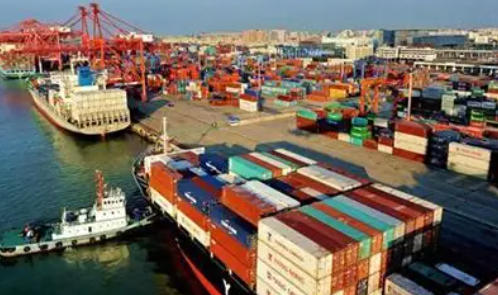
In recent times, the military confrontation between the United States and Iran has continued to escalate, and the multidimensional military confrontation between the two sides has disrupted the balance of the situation in the Middle East. Iran has announced that the navigation volume of the Strait of Hormuz has dropped to zero and will continue to close, causing this globally crucial maritime gateway to come to a complete halt. As the core waterway connecting the Persian Gulf and the Arabian Sea, the Strait of Hormuz undertakes a large number of international commercial and energy transportation tasks, and is also a key channel for China’s export of large-scale infrastructure equipment such as rotary drilling rigs and pile drivers to the Middle East, North Africa, and European markets. Unlike ordinary small cargo, rotary drilling rigs and pile drivers are large special equipment that are ultra wide, overweight, and ultra long. Transportation relies on fixed heavy cargo shipping routes and specialized ships, and sudden channel shutdowns cannot quickly divert and transport, directly causing a large number of waiting equipment to be stranded in ports and temporary interruptions in cross-border logistics links.

International oil prices have risen sharply, and equipment logistics transportation costs have skyrocketed
With the continuous escalation of geopolitical conflicts and the spread of panic in the global energy market, international crude oil prices have risen sharply. Brent crude oil futures prices have broken through the $90 per barrel mark, with an increase of over 3%. The sharp rise in crude oil prices has directly transmitted to the maritime logistics industry. The transportation of large engineering equipment is mainly carried out by heavy-duty ocean going vessels, and fuel is the core cost component of logistics transportation. The continuous rise in oil prices has led to a significant increase in fuel costs for ocean shipping. At the same time, the risk of military conflicts in the Middle East has surged, and major shipping companies have raised insurance rates for routes around the war zone. Coupled with the market situation of scarce heavy cargo ships and shrinking safe haven capacity, the comprehensive costs of ocean leasing, transportation, and insurance for rotary drilling rigs and pile drivers continue to rise, greatly compressing the profit margins of foreign trade enterprises in engineering equipment.
The route has been forced to detour and the equipment delivery cycle has been significantly extended
After the complete suspension of navigation in the Strait of Hormuz, in order to avoid security risks such as military strikes and maritime blockades, all large equipment cargo ships that originally passed through the strait abandoned direct routes and were forced to detour through alternative routes such as the Cape of Good Hope in Africa. The route detour directly increases the transportation mileage by thousands of nautical miles, and the single cross-border transportation time is extended by 15 to 20 days, completely disrupting the stable monthly delivery rhythm of large engineering equipment. Rotary drilling rigs and pile drivers are often used in key projects such as overseas infrastructure and pile foundation engineering. The timely delivery of equipment is the core guarantee for the smooth progress of the project. The significant extension of transportation cycles has led to delays in the arrival of equipment at multiple overseas construction sites, forcing project construction progress to lag behind and increasing the risk of enterprise performance.
The stability of logistics has been compromised, and the layout of overseas engineering markets has been affected
The shipping crisis and oil price fluctuations caused by the US Iran mutual attack not only bring short-term logistics disruptions, but also have a long-term negative impact on the overseas market layout of large engineering equipment. The Middle East and North Africa region has a high concentration of infrastructure projects and is the core overseas market for rotary drilling rigs and pile drivers. The suspension of waterways and logistics delays have significantly reduced the stability of equipment supply in the region. At the same time, the high oil prices have driven up the global land and sea logistics costs, resulting in a significant decrease in the efficiency of equipment replenishment, spare parts transportation, and after-sales maintenance material circulation. Under the increasing market uncertainty, overseas customers’ equipment procurement decisions tend to be cautious. In the short term, the growth of large-scale engineering equipment export orders slows down, and the overall pace of foreign trade development in the industry is significantly constrained.
Industry responds to adjustments, heavy cargo logistics opens up phased adaptation mode
Faced with the logistics impact brought by the Middle East geopolitical conflict, major engineering equipment foreign trade enterprises and logistics service providers have activated emergency adjustment mechanisms. On the one hand, enterprises actively optimize their shipping plans, plan detour routes in advance, reserve sufficient transportation buffer time, and avoid project delay risks; On the other hand, actively adjusting the pricing system to reasonably hedge against cost pressures caused by rising oil prices and insurance premiums. At the same time, the industry is gradually increasing the utilization rate of alternative logistics channels such as Southeast Asia and China Europe freight trains, diverting the pressure of transportation on Middle Eastern routes, minimizing the impact of geopolitical crises on cross-border logistics of large equipment such as rotary drilling rigs and pile drivers, and ensuring the steady progress of overseas infrastructure projects.