

BRICS expansion deepens multilateral cooperation and ensures efficient and stable maritime logistics for large engineering equipment
Release time: 2026-09-14
Enhancing the quality of multilateral mechanisms and building a stable foundation for cross-border logistics
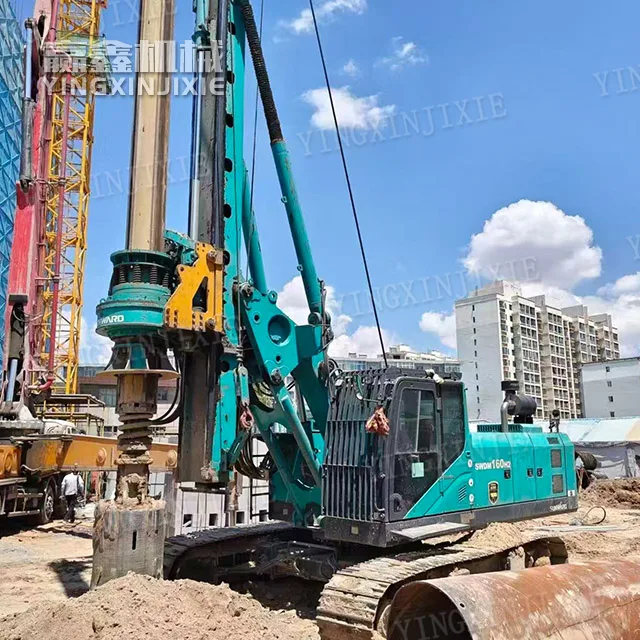
With the continuous expansion and upgrading of BRICS cooperation, the “Greater BRICS Cooperation” pattern has fully taken shape, and 11 member countries and 10 partner countries have established a multilateral cooperation system covering the global South, effectively hedging against market uncertainty caused by fluctuations in international geopolitical situations and trade protectionism. Compared to fragmented bilateral trade models, the BRICS multilateral cooperation mechanism, based on the core principles of mutual benefit and equal cooperation, has built a stable international trade and logistics cooperation platform, providing institutional guarantees for cross-border bulk goods and special equipment transportation. Large engineering equipment such as rotary drilling rigs and pile drivers belong to the category of ultra long, ultra wide, and overweight special goods, with long transportation cycles, complex processes, and extremely high requirements for market stability. The BRICS mechanism continues to deepen global governance cooperation, maintain the multilateral trading system, effectively avoid risks such as unilateral sanctions, trade barriers, and route restrictions, thoroughly stabilize the overall environment for cross-border shipping of large equipment, and make logistics transportation fully controllable and risk controllable.
Upgrading trade facilitation and streamlining cross-border transportation processes for large equipment
The BRICS cooperation focuses on facilitating trade and investment, aligning cross-border rules, and optimizing customs clearance systems, continuously bridging logistics bottlenecks and difficulties among member countries, and significantly reducing the threshold for cross-border circulation of large-scale engineering equipment. Currently, the BRICS countries are continuously promoting the simplification of customs procedures, mutual recognition of trade standards, and upgrading of port efficiency. Leveraging innovative mechanisms such as the BRICS Special Economic Zone Partnership and intelligent customs clearance portals, they are achieving rapid verification and efficient clearance of cross-border goods. For special equipment such as rotary drilling rigs and pile drivers that require complex processes and strict inspections, a standardized and convenient cross-border trade system effectively shortens the clearance time of equipment and avoids additional cost losses such as port backlog and container detention. At the same time, the BRICS countries are deepening the integration of logistics rules, unifying regulatory standards for the transportation of special goods, thoroughly solving the pain points of inconsistent cross-border transportation standards and complex processes, and significantly improving the efficiency of large-scale equipment transportation overseas.
Expansion of infrastructure cooperation and activation of logistics demand dividends for engineering equipment
BRICS cooperation is deeply rooted in core areas such as infrastructure connectivity, energy infrastructure, urban pile foundation engineering, and cross-border transportation construction. Coupled with industrial upgrading, green transformation, and digital infrastructure landing in various countries, the global infrastructure market demand continues to be released, greatly driving cross-border trade and overseas demand for core pile foundation engineering equipment such as rotary drilling rigs and pile drivers. China relies on the BRICS platform to build the “the Belt and Road” with high quality, and continues to promote infrastructure cooperation with Russia, Brazil, Egypt, Indonesia and other BRICS countries. Overseas economic and trade cooperation zones and cross-border transportation energy projects continue to be implemented, forming a stable trade chain for equipment import and export. The continuously expanding market demand has forced the global special maritime logistics system to iterate and upgrade. The capacity of heavy lift ships and special cargo ships continues to be supplemented, and the supporting services for lifting, tying, fixing, and special transportation are becoming more mature, providing sufficient capacity and professional support for the sea transportation of large engineering equipment.
Improve the airline network and optimize the shipping efficiency and cost of special equipment by sea
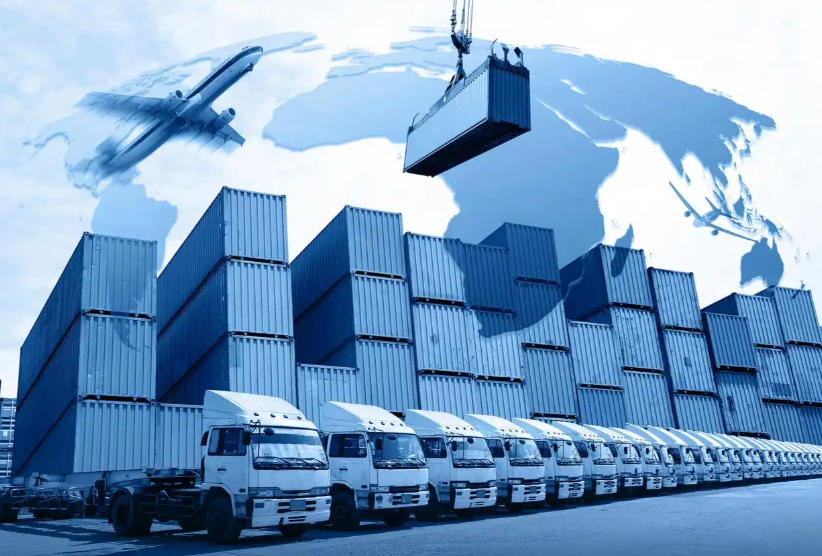
Relying on the deepening of economic and trade cooperation between the BRICS countries, domestic ports continue to open exclusive shipping routes for BRICS, building high-density, high efficiency, and low-cost cross-border logistics channels to fully meet the transportation needs of large-scale engineering equipment. At present, several core ports in China have opened special routes directly to BRICS countries and partner countries such as Brazil, Russia, Southeast Asia, the Middle East, etc. By simplifying affiliated ports, optimizing route routes, and centralizing the allocation of special transport capacity, the ocean transportation cycle has been significantly shortened, which can significantly reduce the transport time and comprehensive logistics costs compared with traditional routes. Equipment such as rotary drilling rigs and pile drivers can rely on exclusive BRICS shipping routes to achieve fixed-point loading and direct delivery to the destination port, effectively avoiding the problems of multiple transfers, high delay risks, and large losses on traditional ocean shipping routes. While ensuring the integrity of equipment transportation, it helps customers accurately control logistics budgets and achieve cost reduction and efficiency improvement.
Financial local currency synergy reduces cross-border logistics operational risks
The BRICS New Development Bank continues to make efforts and the multilateral local currency settlement system continues to improve, becoming an important support for the stable development of cross-border logistics of large-scale engineering equipment. Currently, the BRICS countries are vigorously promoting financial cooperation models such as local currency loans, local currency trade settlements, and cross-border bond issuance, effectively reducing the risk of cost fluctuations caused by fluctuations in the US dollar exchange rate and international financial turbulence. Large engineering equipment has high value and large logistics costs, and exchange rate fluctuations can easily cause budget overruns and settlement losses. The continuous deepening of BRICS financial cooperation has established an independent and stable multilateral financial settlement system, making the entire process of equipment procurement, logistics transportation, and cross-border settlement more stable and secure. At the same time, the New Development Bank provides special financing support for infrastructure projects in various countries, ensuring the steady implementation of overseas infrastructure projects, maintaining stable foreign trade and logistics orders for large-scale equipment, and eliminating disorderly market fluctuations.
Deepening industrial synergy and building a long-term logistics support ecosystem
The BRICS cooperation focuses on the coordinated development of emerging fields such as digital economy, green energy, intelligent manufacturing, and artificial intelligence, promoting the deep integration of member countries’ industrial and supply chains, and forming a complementary and symbiotic industrial pattern. Each country relies on its own industrial advantages to deepen cooperation in engineering equipment manufacturing, infrastructure construction, logistics services and other fields, and build a full chain service ecosystem from equipment production, cross-border transportation, landing delivery to after-sales operation and maintenance. For offshore rotary drilling rigs and pile drivers, a comprehensive BRICS industry collaboration system can not only ensure professional and standardized equipment transportation throughout the process, but also rely on regional industrial supporting advantages to achieve rapid delivery and production of equipment, and help efficiently promote overseas infrastructure projects. A stable industrial ecology, mature logistics links, and a sound multilateral cooperation mechanism comprehensively dispel customers’ concerns about transportation efficiency, equipment safety, cost control, and performance guarantee, providing a safeguard for the long-term stable development of cross-border logistics for large-scale engineering equipment.