

The situation in the Middle East continues to escalate, putting mounting pressure on the cross-border logistics of large construction machinery and equipment
Release time: 2026-07-24
The escalation of geopolitical conflicts has led to a sharp increase in the risk of core shipping routes passing through
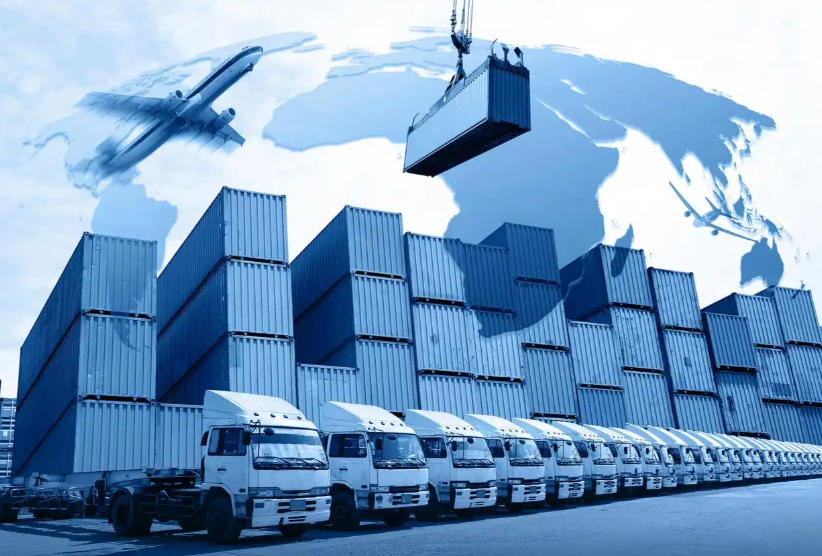
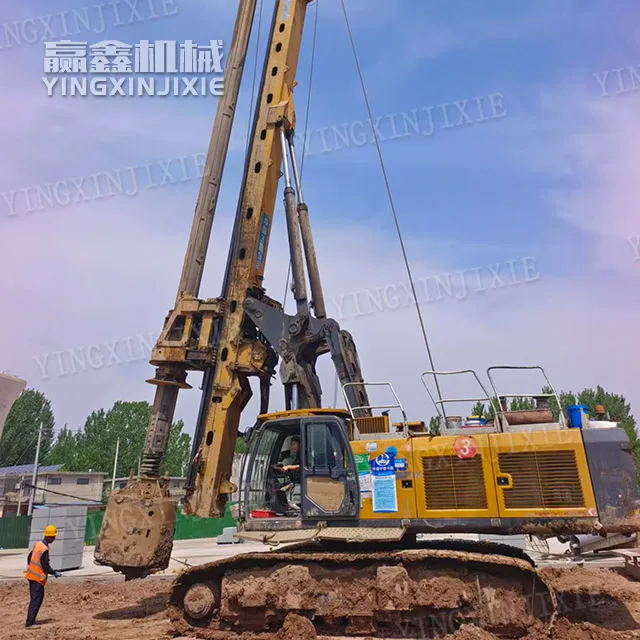
The current military standoff between the United States and Iran continues to escalate, with Trump stating plans to launch a larger scale military operation against Iran. Israel has entered the highest alert state, and geopolitical risks in the Middle East have fully erupted, directly impacting global core shipping routes such as the Red Sea and the Strait of Hormuz. As key channels for cross-border transportation of large engineering equipment such as rotary drilling rigs and pile drivers, the two major waterways frequently encounter ship attacks, route control, temporary bans, and other situations, completely disrupting regional navigation order. Unlike ordinary bulk cargo transportation, rotary drilling rigs and pile drivers are special large equipment that are ultra wide, ultra high, and overweight. Transportation relies on fixed heavy lift ship routes and exclusive navigation windows, making it difficult to flexibly shuttle through small waterways and temporarily divert routes. In the high-risk operation state of the waterway, most shipping companies have suspended the acceptance of large cargo transportation orders on the core routes in the Middle East, significantly reduced the original normal transportation schedules, and a large number of engineering equipment waiting to be shipped out have been stranded in domestic ports. Imported equipment is difficult to arrive at the port on time, and the global cross-border transportation chain of large engineering equipment has been stalled.
The soaring price of crude oil has led to a significant increase in the comprehensive cost of equipment and logistics
Affected by the Middle East conflict and the attack on Saudi oil tankers, international oil prices have surged significantly, with Brent crude oil futures prices breaking through $100 per barrel, setting a new high for the year. The continuously rising energy prices have brought direct cost pressure to the logistics and transportation of large equipment. The transportation of heavy equipment such as rotary drilling rigs and pile drivers relies entirely on heavy lift sea transportation and heavy truck land transportation, resulting in much higher fuel consumption than ordinary cargo transportation. Fuel costs account for a very high proportion of overall logistics expenses. On the sea freight side, the increase in fuel prices combined with the rise in shipping risk premiums has led to a significant increase in the year-on-year and month on month shipping costs for large equipment; At the land transportation end, cross-border land transportation fuel and operation and maintenance costs have increased synchronously, while equipment short distance port collection and destination port distribution costs continue to rise. At the same time, the rise in oil prices has driven up the prices of global logistics consumables, equipment maintenance, and labor services, further amplifying the comprehensive cost of cross-border logistics for large-scale engineering equipment, bringing heavy cost burdens to construction and equipment trading enterprises.
The route is forced to detour, and the transportation time of equipment is seriously delayed
To avoid shipping risks in the Middle East theater, the vast majority of carrier companies have abandoned direct routes to the Red Sea and the Strait of Hormuz, and instead choose to detour around the Cape of Good Hope in Africa, completely changing the mature logistics transportation system for large equipment. The route detour directly extends the transportation distance, resulting in a delay of 14 to 21 days for domestic rotary drilling rigs and pile drivers sent to the Middle East, Europe, and Africa, and even longer delays for some long-distance routes. The transportation of large equipment already needs to match the construction period of the engineering project, and the delay in delivery directly leads to a delay in the entry of equipment for overseas infrastructure projects, forcing the construction progress to be postponed. At the same time, the adjustment of shipping routes has caused a mismatch of global heavy lift vessel capacity resources, resulting in longer scheduling cycles for special vessels suitable for the transportation of large engineering equipment. The coexistence of vacant ships and cargo detention has further exacerbated the problem of delayed transportation time and disrupted the industry’s normalized logistics scheduling rhythm.
Tightening of risk control policies and increased risk of customs clearance and performance for large logistics
The turbulent situation in the Middle East, coupled with the escalation of US military sanctions against Iran, has led to a comprehensive tightening of global cross-border logistics risk control standards, resulting in multiple constraints on the cross-border transportation of engineering equipment such as rotary drilling rigs and pile drivers. On the one hand, ports in various countries have strengthened the inspection of goods on Middle Eastern routes. Due to the large size and complex structure of large equipment, the inspection process is more complicated, resulting in a significant increase in port detention time and a significant decrease in customs clearance efficiency. On the other hand, the force majeure risks caused by geopolitical conflicts have significantly increased the uncertainty of logistics performance, and some cross-border logistics cooperation agreements are facing the risk of default. In addition, the escalation of the war has caused damage to the infrastructure of some ports in the Middle East, resulting in a decrease in loading, unloading, warehousing, and transportation capabilities. Large equipment arriving at the port cannot be unloaded and transferred in a timely manner, further exacerbating logistics congestion and significantly increasing the performance risk and after-sales maintenance pressure of enterprises.
Supply chain transmission disturbance, equipment overseas operation and deployment obstructed
The logistics of large-scale engineering equipment not only includes cross-border transportation of the entire machine, but also includes supporting links such as parts supply, cross-border equipment allocation, and overseas operation and maintenance support. The logistics shock caused by the Middle East conflict has formed a chain impact on the entire chain. Rotary drilling rigs and pile drivers are precision engineering equipment that require regular replacement of parts and maintenance operations during construction. However, cross-border logistics disruptions have caused delays in the transportation of equipment parts, and equipment failures at overseas construction sites cannot be repaired in a timely manner, resulting in a significant increase in equipment idle rates. At the same time, the pace of cross regional allocation of global engineering equipment has been disrupted, and idle equipment that could have been flexibly adjusted cannot be promptly dispatched to areas in short supply, exacerbating the problem of mismatch between supply and demand of global infrastructure engineering equipment. The dual impact of energy price increases and logistics congestion has also led to a continuous increase in the cost and difficulty of equipment return transportation and cross-border transfers, significantly weakening the stability of the industry’s supply chain.
Industry adaptation and adjustment, large-scale logistics model ushers in phased reconstruction
Faced with the continuous logistics impact brought about by the geopolitical conflict in the Middle East, the logistics industry of large-scale engineering equipment is undergoing a phased mode adjustment. Most equipment trading and logistics companies have begun to optimize their transportation layout, prioritizing long-term fixed routes and heavy lift vessel capacity to avoid the risk of temporary route fluctuations; At the same time, adjust the stocking and transportation plan, plan the equipment’s departure cycle in advance, and offset the time delay caused by route detours. Some companies are trying to diversify their transportation plans, combining near ocean transit and zoning allocation models to reduce dependence on a single Middle East waterway. In the short term, the uncertainty of the situation in the Middle East will continue, and the high cost, slow delivery, and high-risk situation of cross-border logistics for large engineering equipment is difficult to quickly reverse. The industry needs to continue optimizing its supply chain system, strengthen risk prediction and emergency dispatch capabilities, and adapt to the turbulent global logistics environment.