

XCMG XR280D II vs. Plataformas da Classe 360: Por que este "canhão de aço" de 28 toneladas é o investimento mais inteligente para rocha dura?
Data de lançamento: 22/06/2026
Índice
Para empreiteiras de fundações, selecionar a frota ideal para escavações profundas em rocha é um constante exercício de equilíbrio entre desempenho bruto e custos operacionais. Ao se deparar com perfis geológicos complexos, como granito moderadamente intemperizado, calcário estratificado ou densos estratos de seixos, a reação instintiva costuma ser mobilizar uma máquina de grande porte, da classe 360. No entanto, essa ampliação imediata inevitavelmente desencadeia um efeito dominó de custos exorbitantes com combustível, dores de cabeça logísticas envolvendo transporte em várias etapas e restrições de espaço em canteiros de obras urbanos.
A entrada de plataformas especializadas de médio a grande porte remodelou completamente esse paradigma. Em vez de implantar equipamentos superdimensionados que operam muito abaixo de seu pico de eficiência, os gestores de frotas mais sofisticados estão migrando para plataformas otimizadas e de alto torque. Perfuratriz rotativa XCMG XR280D II Representa essa mudança precisa, conquistando sua reputação como o "pequeno canhão de aço que penetra rochas" ao enfrentar com sucesso estratos duros a uma fração do custo total de propriedade (TCO) associado a equipamentos mais pesados.
Ao reestruturar a relação entre a distribuição de torque e o peso estrutural, esta plataforma demonstra que superar terrenos desafiadores não exige um investimento de capital exorbitante. Abaixo, detalhamos os motivos mecânicos, econômicos e operacionais pelos quais esta máquina frequentemente supera as alternativas da classe 360 em aplicações práticas.
Maximizando o torque e a força da multidão: a mecânica da penetração em rochas
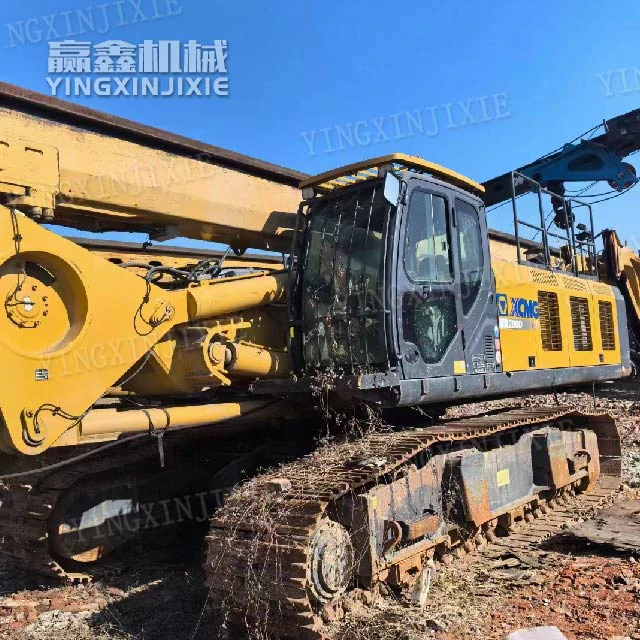
O desempenho de um plataforma de perfuração rotativa de rocha dura O desempenho da máquina é fundamentalmente ditado pela eficácia com que seu acionamento rotativo converte potência bruta em força de cisalhamento subterrânea. A máquina oferece um torque máximo de perfuração substancial de 280 kN·m, aliado a um potente sistema de avanço de 210 kN. Quando configurada com um mecanismo de avanço de 6 metros de curso, a perfuratriz gera pressão descendente contínua que impede o deslizamento da ferramenta e reduz o desgaste por atrito dos dentes da rocha.
Modo de entrada em rocha e tecnologia de correspondência automática
Um dos principais destaques de engenharia da unidade de força é seu modo dedicado à entrada em rochas. Em vez de obrigar o operador a adivinhar manualmente o ponto ideal entre a velocidade de rotação (RPM) e a pressão descendente, o sistema de controle eletrônico integrado, com barramento CAN e PLC, calcula automaticamente os parâmetros ideais.
Este ajuste automático em nível de milissegundos garante que, quando a ferramenta de perfuração transita de uma camada superficial macia para camadas intercaladas altamente abrasivas ou para encaixes em rochas moderadamente intemperizadas, a máquina recalibre instantaneamente o torque de saída. Isso evita que a perfuratriz pare ou vibre violentamente, um problema comum ao operar perfuratrizes de 360° maiores e menos responsivas com baixa capacidade.
Métodos de perfuração versáteis e flexibilidade de diâmetro
A plataforma foi projetada para suportar métodos de construção com estacas encamisadas e não encamisadas, tornando-a altamente adaptável a diversas aplicações municipais e industriais:
Perfuração sem revestimento: Atinge um diâmetro máximo de 2500 mm, ideal para pilares de pontes maciças e fundações de edifícios altos.
Perfuração com Revestimento: Suporta instalações de até 2000 mm de diâmetro, garantindo excelente qualidade de perfuração e prevenindo o colapso das paredes laterais em estratos aquíferos altamente instáveis.
Custo Total de Propriedade (TCO) e Consumíveis: A Vantagem do Guincho de Fileira Única
A rentabilidade operacional na cravação de fundações muitas vezes não é determinada apenas pela velocidade, mas também pela frequência de paradas não programadas. As perfuratrizes tradicionais de grande porte, da classe 360, frequentemente empregam configurações de tambor com cabos de aço multicamadas ou de fileira dupla. Essa configuração força a sobreposição dos cabos de aço, levando a esmagamento severo entre as camadas, atrito e fadiga estrutural acelerada, o que resulta em rompimento prematuro dos cabos.
Eliminando a compressão de cabos de aço
Esta plataforma resolve esse problema comum em todo o setor, utilizando um sistema de guincho principal com cabo de aço de fileira única montado na parte traseira. Como o cabo de aço se enrola uniformemente em uma única camada ao longo do tambor, elimina completamente a sobreposição e a torção do cabo. Esse design especializado efetivamente dobra a vida útil do cabo de aço, reduzindo os custos com consumíveis em mais de 30% e diminuindo significativamente a mão de obra envolvida em substituições frequentes em campo.
Economia significativa de combustível por meio de engenharia inteligente.
Equipada com um motor Cummins de alta potência de 298 kW, combinado com um sistema hidráulico de detecção de carga de alta sensibilidade, a perfuratriz otimiza a dinâmica dos fluidos com base na resistência em tempo real. O consumo de combustível desta máquina é de 10% a 15% inferior ao de modelos concorrentes típicos da mesma classe. Em operações anuais padrão com múltiplos turnos, essa eficiência avançada se traduz em uma redução direta no custo de combustível de $5.000 a $10.000, aumentando significativamente a margem líquida do proprietário por metro linear perfurado.
Rigidez estrutural: Eliminando o desvio do furo em estacas profundas
Ao executar um perfuratriz rotativa de furo profundo Ao perfurar o solo até sua profundidade máxima padrão de 88 metros, manter a verticalidade estrita é imprescindível. Mesmo uma pequena fração percentual de desvio na superfície pode levar a graves problemas estruturais no fundo da perfuração, comprometendo fundações de metrô ou estruturas de estacas para parques eólicos.
Dinâmica e estabilidade de corpos pesados
Apesar de seu perfil de transporte ágil, a perfuratriz possui um peso operacional de 82.000 kg e utiliza uma estrutura de torre larga e robusta, ancorada por um rolamento de giro de grande diâmetro. Isso proporciona uma base excepcionalmente rígida que elimina o fenômeno comum de "deslocamento da torre" ao aplicar a pressão máxima descendente em faces rochosas inclinadas ou irregulares.
Arquitetura de mastro em caixa de alta resistência
A perfuratriz utiliza um mecanismo de elevação quadrilátero paralelo combinado com uma estrutura de mastro em forma de caixa de alta rigidez. Este design proporciona resistência torsional superior em comparação com estruturas de treliça padrão, absorvendo as intensas forças cinéticas contrárias geradas durante a remoção rotativa de escória em 360 graus. Além disso, a incorporação do ajuste automático de flecha do mastro e do registro automático de profundidade permite a calibração com um único clique, reduzindo o erro humano manual a praticamente zero.
Análise comparativa: XCMG XR280D II vs. Plataformas padrão da classe 360
A seguinte matriz de dados estruturais ilustra como isso Plataforma de perfuração rotativa de 280 kN.m Equilibra desempenho robusto com custos operacionais reduzidos em comparação com alternativas superdimensionadas:
| Parâmetro técnico | XCMG XR280D II | Plataforma típica da classe 360 | Vantagem Operacional |
| Torque máximo de perfuração | 280 kN·m | 360 kN·m | Distribuição de potência perfeita para rochas duras sem desperdício excessivo de combustível. |
| Peso operacional total | 82.000 kg | ~115.000 kg | Pressão significativamente menor no solo; minimiza os custos de preparação do terreno. |
| Configuração do guincho principal | Corda traseira de fileira única | Multicamadas / Dupla fileira | Elimina o esmagamento da corda entre as camadas; reduz os custos com consumíveis em 30%. |
| Configuração do motor | Cummins de 298 kW | Motor de aproximadamente 330–360 kW | Reduz consistentemente os gastos anuais com combustível em valores entre £5.000 e £10.000. |
| Logística de Transporte | Dimensões altamente flexíveis | Requer decapagem em várias etapas | Elimina a necessidade de autorizações de transporte complexas e reduz o tempo de mobilização. |
Conclusão e Aquisição Estratégica
Maximizar a utilização de ativos é a base da rentabilidade sustentável na engenharia civil moderna. Embora uma máquina da classe 360 ofereça inegável potência bruta, seu consumo extremo de combustível, os altos custos de peças de reposição e a complexa logística de transporte frequentemente comprometem as margens de lucro, exceto nos megaprojetos mais extremos. A XCMG XR280D II demonstra que um projeto inteligente, alta rigidez estrutural e torque preciso podem superar com sucesso estratos rochosos desafiadores, mantendo um orçamento operacional altamente otimizado.
Como fornecedora global líder em máquinas pesadas de alta qualidade, a Suzhou Yingxin Engineering Machinery Co., Ltd. oferece mais do que apenas equipamentos de alto desempenho. Fornecemos suporte abrangente e específico para cada projeto em engenharia de fundações, logística de peças com certificação de fábrica e consultoria técnica personalizada para garantir que sua frota opere com máxima eficiência. Torne-se nosso parceiro para aprimorar suas capacidades de perfuração e garantir um maior retorno sobre o investimento em seus próximos projetos de infraestrutura.
Perguntas frequentes
P: Para quais formações geológicas o XCMG XR280D II é mais indicado?
A perfuratriz foi projetada especificamente para penetrar em perfis de solo extremamente desafiadores, incluindo estratos rochosos com intemperismo acentuado a moderado, camadas densas de seixos, cascalho compacto e pedregulhos isolados e duros, sem sofrer deslizamento da ferramenta.
P: Como o projeto do guincho principal de fileira única reduz os custos operacionais?
Ao enrolar o cabo de aço em uma única camada sobre o tambor traseiro, o sistema impede completamente a sobreposição e o esmagamento. Isso dobra a vida útil do cabo e reduz os custos de substituição de consumíveis em mais de 30%.
P: Qual é a capacidade máxima de perfuração deste equipamento de cravação de estacas?
A plataforma suporta um diâmetro máximo de perfuração padrão sem revestimento de 2500 mm e um diâmetro máximo com revestimento de 2000 mm, atingindo uma profundidade de cravação vertical de até 88 metros.