

Chega-se a um consenso sobre a navegação hidroviária e consolida-se o apoio logístico transfronteiriço para equipamentos de engenharia de grande porte.
Release time: 2026-08-17
New Strait‑Navigation Model Takes Effect, Fundamental Shipping Environment for Oversized‑Cargo Improves
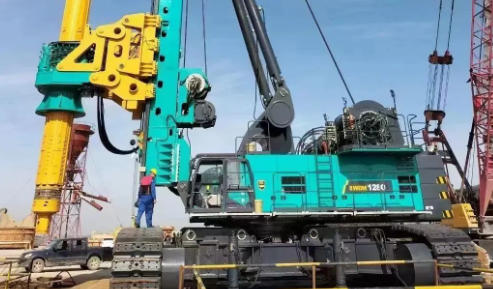
Iran and Oman have reached an agreement on a navigation scheme for the Strait of Hormuz and rolled out a short‑term temporary transit regime. Enforceable vessel‑passage rules have been restored across the strait, marking a phased easing of regional shipping disruptions. Rotary drilling rigs and pile drivers are over‑height, over‑weight special oversized cargo transported by dedicated semi‑submersible and heavy‑lift vessels. Unlike crude oil and general bulk goods, construction equipment is not a direct target of the current geopolitical standoff. The implementation of the new transit mechanism fundamentally mitigates extreme risks such as a full waterway shutdown and massive vessel backlogs. It establishes basic passage guarantees for large‑size equipment exported via Middle‑East shipping lanes and effectively eases clients’ worries over a complete strait blockage.
Well‑Developed Diversified Logistics Solutions Reduce Over‑Reliance on a Single Waterway
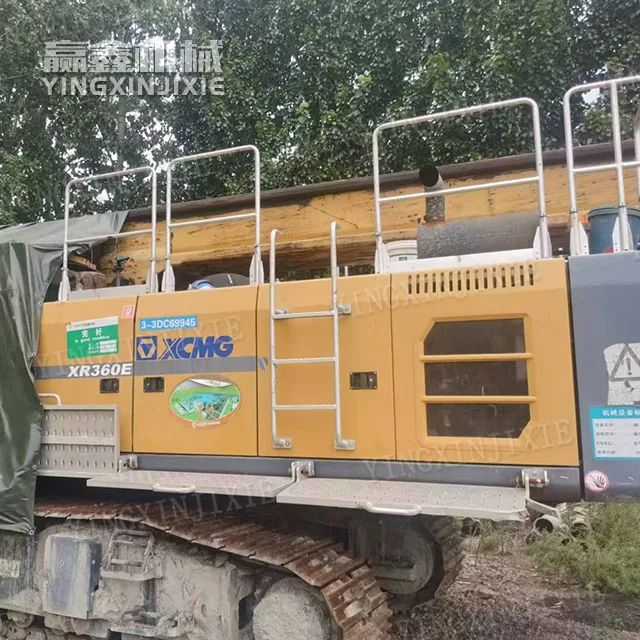
Leading heavy‑cargo logistics providers have built a comprehensive alternative‑route mechanism instead of routing all Middle‑East‑bound shipments exclusively through the Strait of Hormuz. For over‑gauge cargo like rotary drilling rigs and pile drivers, which cannot be rerouted at will and involve complex loading‑unloading workflows, multiple backup transport options are available, including transshipment at outer hub ports, sea‑rail intermodal transport and southerly detour routes. Even if short‑lived transit disruptions occur in parts of the strait, proven alternative lanes can be activated immediately to avoid prolonged port detention of equipamento, stabilize delivery lead times to the maximum extent and shield overseas infrastructure projects from construction delays.
Upgraded Dedicated Oversized‑Cargo Support Boosts Overall Risk‑Control Capabilities
Geopolitical volatility is pushing the heavy‑lift logistics sector to further refine its risk‑management framework. For cross‑border shipments of large pile‑foundation máquinas, logistics operators can offer value‑added services such as war‑risk supplementary insurance, real‑time full‑voyage vessel tracking and pre‑positioned warehousing‑and‑distribution services at key ports. Before shipment, carriers conduct advance assessments of waterway conditions, dynamically adjust sailing schedules and set aside adequate safety buffers. Uncertainty‑related risks are minimized across the entire workflow covering route planning, vessel selection, insurance coverage and port operations. This mature risk‑control system keeps potential logistics hazards stemming from geopolitical tensions at a manageable level and ensures full transparency throughout equipment transit.
Resilient Market Demand Sustains Stable Long‑Term Equipment Exports
Infrastructure projects across the Middle East and adjacent regions are moving forward steadily, so rigid demand for pile‑driving machinery including plataformas de perfuração rotativa and pile drivers will not undergo fundamental shifts due to short‑term waterway disputes. The core of the current US‑Iran confrontation revolves around strait‑sovereignty issues rather than trade in construction machinery. The overall market environment remains favorable for Chinese‑built large infrastructure equipment going global. The cross‑border heavy‑cargo shipping industry has weathered multiple geopolitical crises and accumulated rich experience in emergency response. Fundamental trade dynamics remain unchanged, guaranteeing long‑term stability for customers’ equipment procurement and logistics delivery.
Steady Progress Amid Turmoil — Clients May Arrange Shipments With Confidence
Judging from the latest strait‑navigation developments and the industry’s robust emergency‑logistics capacity, the situation in the Strait of Hormuz will not inflict sustained disruption on the seaborne transport of rotary drilling rigs and pile drivers. The newly signed navigation agreement sends a positive signal. Together with diversified routing layouts and end‑to‑end risk‑control measures, it keeps transit lead times, costs and safety risks for oversized equipment fully under control. Buyers can proceed with their shipment schedules normally without excessive concern over project delays caused by waterway disruptions.