

Easing tensions in the Middle East have pushed oil prices lower, creating a window for the recovery of cross-border logistics for large engineering equipment
Release time: 2026-07-29
The geopolitical risks in the Middle East have subsided, and the crude oil market has experienced a significant pullback
With the suspension of US strikes against Iran and the opening of diplomatic consultations among multiple Middle Eastern countries, regional geopolitical conflicts have significantly cooled down, and the risk premium that continues to disrupt the international crude oil market has rapidly dissipated. On the 28th, international oil prices experienced a significant drop, with New York crude oil futures prices falling below the $80 mark. In the past three trading days, the main contracts for New York and Brent crude oil have cumulatively fallen by more than 14%, completely bidding farewell to the previous volatile pattern caused by geopolitical conflicts in the crude oil market. The smoothness of shipping in the Strait of Hormuz has greatly improved, and the transportation of crude oil in the Persian Gulf has gradually returned to normal, laying the foundation for the stability of the global energy market and the recovery of the cross-border logistics industry. It has also completely reversed the high-risk and high cost situation of large-scale equipment cross-border transportation before.
Fuel costs are decreasing, and transportation expenses for large engineering equipment are significantly reduced
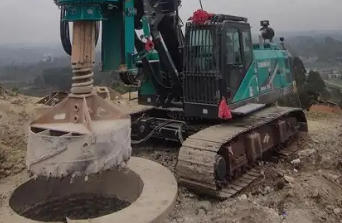
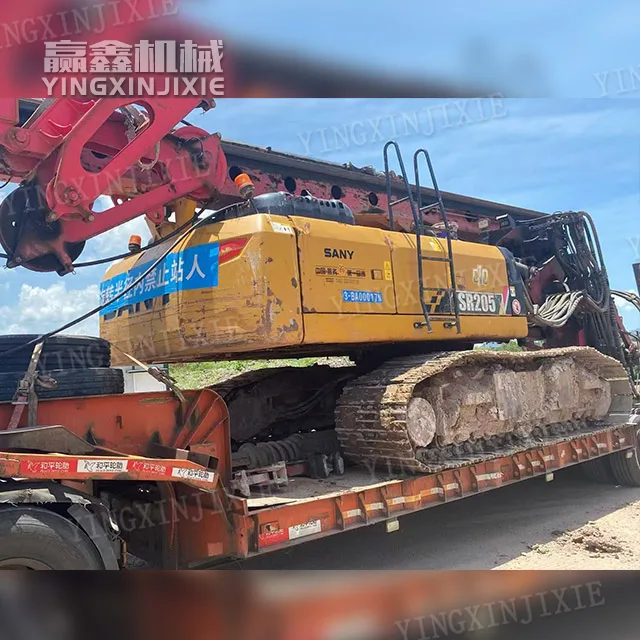
Rotary drilling rigs and pile drivers are large engineering machinery equipment that are ultra wide and overweight. Cross border transportation is mainly carried out by ocean shipping, supplemented by long-distance road transportation. Fuel costs account for the core proportion of total logistics expenses, with ocean shipping fuel costs accounting for over 40% and road trunk transportation fuel costs accounting for 35% to 45%. The significant drop in international oil prices this time has directly reduced the operating costs of large special transport ships and heavy-duty freight vehicles. Compared to regular cargo transportation, single batch transportation of large equipment has higher fuel consumption, longer flight routes, and more prominent cost dividends. Logistics companies can significantly reduce the rigid expenses of equipment going abroad and cross-border transfers, effectively alleviating the pain point of high logistics costs in the construction machinery industry going abroad, and giving companies greater price advantages in equipment overseas quotations and project bidding.
Smooth shipping across the strait and stable cross-border logistics efficiency of equipment
Previously, the geopolitical tensions in the Middle East led to restrictions on shipping in the Strait of Hormuz, frequent disruptions to the Red Sea route, and many large special transport ships were forced to detour and be stranded, directly causing delays in cross-border transportation of large equipment such as rotary drilling rigs and pile drivers, and disrupting shipping schedules. Some overseas infrastructure projects are facing equipment supply disruptions and project delays. The current situation in the Middle East has eased, and the core shipping channels in the Persian Gulf and surrounding areas have resumed smooth operation. The situation of ships bypassing, being stranded, and avoiding danger has significantly decreased. The frequency of special sea freight routes for large equipment has returned to normalcy, with more fixed transportation routes and significantly improved logistics timeliness controllability. Enterprises can accurately plan the entire process of equipment shipment, arrival, and customs clearance, effectively ensuring the supply rhythm of equipment for infrastructure projects around the world.
Market circulation accelerates, efficiency of overseas delivery of engineering equipment upgrades
The easing of geopolitical risks coupled with the decline in oil prices has thoroughly activated the circulation vitality of large-scale engineering equipment worldwide. Previously, the market had a strong risk aversion sentiment, and logistics companies generally tightened their cross-border transportation business for large equipment, resulting in longer equipment export cycles and slow inventory turnover. The current market confidence continues to recover, coupled with the dual benefits of reduced transportation costs and stable delivery time, the efficiency of cross-border order delivery for key infrastructure equipment such as rotary drilling rigs and pile drivers has significantly improved. At the same time, the decline in logistics costs has restored the profit margin of equipment exports, further stimulating the enthusiasm of construction machinery enterprises to go global, promoting the acceleration of overseas equipment distribution and cross-border circulation of second-hand equipment, and helping the steady recovery of the global infrastructure supply chain.
Risks still fluctuate, and the logistics industry needs to remain cautious in its response
Although the current situation in the Middle East has temporarily eased and oil prices are declining in the short term, there is still uncertainty in the global crude oil market. The hidden dangers of disruptions in the Red Sea shipping industry have not been completely eliminated, and the risk of attacks on Saudi Arabia’s oil infrastructure still exists. Coupled with the potential volatility of geopolitical games, there is still a possibility of rebound fluctuations in oil prices in the future. For the large-scale equipment logistics industry, short-term cost dividends and timely benefits are sustainable, but blind expansion of transportation capacity is not advisable. Logistics companies need to continuously track the geopolitical dynamics and oil price trends in the Middle East, optimize transportation route layout, reasonably control transportation costs, and prepare emergency plans for sudden shipping risks to ensure the long-term stable operation of cross-border logistics systems for large equipment such as rotary drilling rigs and pile drivers.