

طريقة البناء CFA مقابل حفر كيلي: لماذا تفوز SANY SR280R
تاريخ الإصدار: 2026-05-08
تُشكّل هندسة الأساسات في التربة غير المستقرة والغنية بالمياه تحديات جسيمة للمقاولين على مستوى العالم. غالباً ما يتطلب الحفر الدوراني التقليدي استخدام تجهيزات باهظة الثمن من ملاط البنتونيت أو أغلفة مؤقتة لمنع انهيار البئر، مما يزيد بشكل كبير من تكاليف التشغيل والجداول الزمنية للمشاريع.
ال طريقة بناء CFA تُقدّم هذه التقنية بديلاً أنيقاً وعالي الكفاءة من خلال دمج عمليات الحفر وصبّ الخرسانة في عملية واحدة متواصلة. وللاستفادة القصوى من هذه التقنية، تحتاج شركات هندسة التربة إلى معدات ثقيلة قادرة على توفير عزم دوران هائل وثبات هيكلي تحت الأحمال الديناميكية.
ما هي طريقة CFA للبناء ولماذا هي مهمة؟
أصبحت تقنية الحفر اللولبي المستمر (CFA) عنصرًا أساسيًا في قطاعات البنية التحتية الحضرية والأساسات العميقة نظرًا لانخفاض مستوى الضوضاء والاهتزازات فيها، بالإضافة إلى الاستغناء عن متطلبات التغليف.
استخلاص وصب سلسان: تعتمد هذه الطريقة على استخدام مثقاب حلزوني طويل ذي ساق مجوفة للحفر المستمر حتى الوصول إلى العمق المطلوب. وعند سحب المثقاب، يُضخ الخرسانة عبر الساق المجوفة تحت ضغط عالٍ، مما يملأ الفراغ فوراً ويمنع انهيار التربة المحيطة.
إلغاء إدارة المخلفات السائلة: بخلاف الحفر التقليدي، تحافظ عملية الحفر بالتدفق المستمر على امتلاء البئر بالتربة أثناء الحفر والخرسانة أثناء الاستخراج. وهذا يلغي تماماً الحاجة إلى تحضير ملاط البنتونيت وإعادة تدويره والتخلص منه، مما يجعلها خياراً مستداماً للغاية لمواقع العمل الحديثة.
قدرة تحمل عالية للأحمال: يؤدي الضغط المستمر المطبق أثناء حقن الخرسانة إلى دفع الخليط إلى الطبقات المحيطة. وهذا يعزز بشكل كبير الاحتكاك السطحي على طول عمود الركيزة، مما يوفر أداءً استثنائياً في تحمل الأحمال مقارنةً بالركائز المصبوبة في الموقع التقليدية.
طريقة بناء CFA مقابل الحفر التقليدي بتقنية كيلي: فجوة الكفاءة
عند الاختيار بين جهاز حفر الركائز CFA في ظل استخدام نظام كيلي بار التقليدي، يتعين على المقاولين الموازنة بين المرونة الهيكلية وسرعة الإنتاج القصوى. فبينما يسمح حفر كيلي بأقطار أكبر وأعماق بالغة في الصخور الصلبة، فإنه يُسبب العديد من الاختناقات التشغيلية في التربة الرخوة أو المتماسكة.
تتمثل العيوب الرئيسية لحفر كيلي في التربة الرخوة في عملية تركيب الأنابيب أو إدارة سوائل الحفر التي تستغرق وقتًا طويلاً. يتطلب كل ركيزة مراحل منفصلة: الحفر، والتنظيف، وتركيب القفص، وصب أنابيب الصب. في المقابل، تُدمج طريقة الحفر بالتدفق المستمر هذه المراحل، مما يسمح لآلة واحدة بإنجاز عدة ركائز في الوقت الذي تستغرقه حفارة كيلي لإنجاز ركيزة واحدة.
| مقياس الأداء | طريقة بناء CFA | الحفر التقليدي من نوع كيلي |
| تثبيت البئر | مدعوم ذاتيًا بواسطة طيران المثقب والتربة | يتطلب ذلك استخدام غلاف أو ملاط البنتونيت |
| زمن الدورة لكل كومة | سريع (حفر وصب مستمر) | بطيء (عملية متعددة المراحل) |
| الأثر البيئي | ضوضاء منخفضة، ولا نفايات سائلة على الإطلاق | تكاليف التخلص من النفايات السائلة المرتفعة |
| قابلية التطبيق على التربة | ممتاز للرمل السائب والحصى والطين | مثالي للصخور الصلبة جداً والأعماق الشديدة |
| تخصيص المعدات | يتطلب قاعدة ثابتة ذات عزم دوران عالٍ | إعداد دوار قياسي مع قضبان كيلي |
كيف تعمل آلة SANY SR280R على تحسين كفاءة البناء باستخدام تقنية CFA
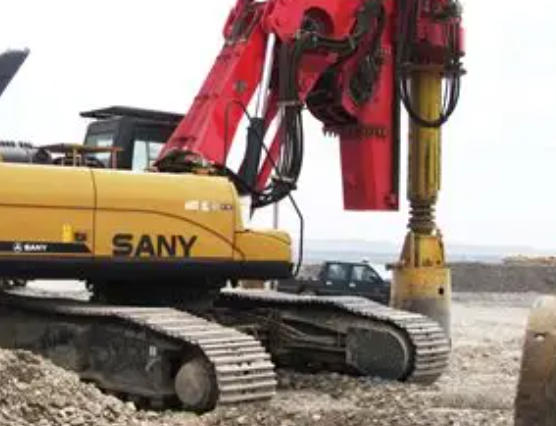
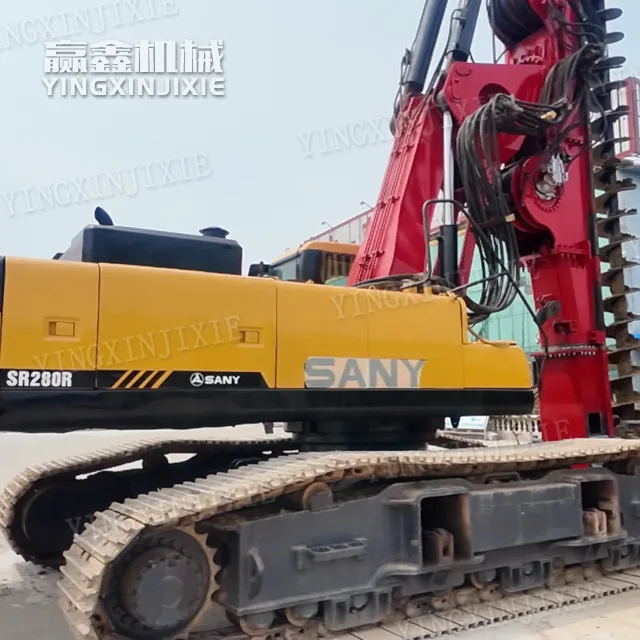
يتطلب تنفيذ ركائز CFA عالية الجودة آلة قوية للغاية. ساني SR280R تم تصميمها لتلبية هذه المتطلبات الميكانيكية الصارمة، مما يوفر جسراً سلساً بين القوة الخام والتحكم الدقيق.
قدرة اختراق الصخور وعزم الدوران لا مثيل لهما: بفضل عزم دوران أقصى يبلغ 280 كيلو نيوتن متر ومحرك Cummins QSM11-C400 عالي القدرة بقدرة 298 كيلو واط، تستطيع هذه الحفارة التعامل مع الصخور المتآكلة وطبقات الحصى الكثيفة التي تصل قوتها إلى 50 ميجا باسكال. يشتمل رأس الطاقة من الجيل الخامس على نظام امتصاص صدمات بخمسة مستويات، مما يضاعف عمر المحرك والمخفض ثلاث مرات أثناء الحفر المستمر في التربة الصلبة.
تقنية التحكم التكيفي للصخور: يعمل دمج خوارزميات المطابقة الذكية على ضبط عزم الدوران والسرعة وضغط الحشوة تلقائيًا في الوقت الفعلي. وهذا يُسرّع عملية الحفر في الصخور الصلبة بأكثر من 15%، مما يضمن استمرار المثقاب في اختراق ثابت دون توقف أو تلف اللولب.
استقرار ودقة الركائز العميقة: بفضل وزنها التشغيلي البالغ 84 طنًا وهيكلها العريض المصمم خصيصًا، توفر هذه الحفارة ثباتًا استثنائيًا. ويضمن هذا الثبات استقامة الحفرة العميقة بنسبة ≤ 1/200، وهو أمر بالغ الأهمية خلال مرحلة استخراج المواد في عمليات الحفر الحلزوني الطويلة حيث تبلغ القوى الجانبية الديناميكية ذروتها.
تنوع استخدامات الأسطول: يُتيح التصميم متعدد الأغراض للآلة دعم عمليات الحفر الدوراني، وطرق الحفر الحلزوني الطويل، وعمليات تذبذب الأنابيب. وتُمكّن هذه الميزة، المتمثلة في "آلة واحدة متعددة الاستخدامات"، المقاولين من التكيف مع تغيرات خصائص التربة في مختلف مشاريعهم دون الحاجة إلى شراء وحدات منفصلة.
تحقيق أقصى عائد على الاستثمار باستخدام معدات ساني المستعملة من يينغشين
بالنسبة للمقاولين العالميين الذين يسعون إلى توسيع نطاق أعمالهم دون تحمل التكاليف الباهظة لاستهلاك الآلات الجديدة، يُعدّ شراء حفارات SANY المستعملة استراتيجية ذات عائد مرتفع. إذ توفر المعدات المستعملة عالية الجودة نفس الكفاءة التشغيلية بتكلفة أقل بكثير من تكلفة رأس المال.
تتخصص شركة YingXin في توريد منصات الحفر الدورانية المستعملة الجاهزة للعمل، والتي خضعت لفحوصات دقيقة، إلى الأسواق العالمية. تخضع كل وحدة من وحدات SANY لعمليات تدقيق شاملة للأنظمة الهيدروليكية والميكانيكية والهيكلية لضمان مطابقتها لمعايير الأداء الأصلية للمصنع. بفضل الدعم اللوجستي العالمي، وسجلات الصيانة المفصلة، وتوفير قطع الغيار الشاملة، تضمن YingXin أن استثمارك سيحقق لك جاهزية فورية للعمل وتكاليف تشغيل متوقعة من اليوم الأول.
الأسئلة الشائعة
ما هو أقصى عمق حفر لجهاز SANY SR280R في وضع CFA؟
في حين أن جهاز SANY SR280R يمكنه الوصول إلى 75 مترًا باستخدام قضيب كيلي الاحتكاكي في الوضع الدوراني القياسي، فإن أقصى عمق له في تكوين CFA يعتمد على إعداد المثقب ذي الطيران المستمر وامتدادات الصاري، وعادة ما يتم تحسينه من أجل دق الأساسات المتوسطة إلى العميقة بكفاءة عالية في الطبقات الحضرية الصعبة.
لماذا يُعد عرض الهيكل أمرًا بالغ الأهمية في طريقة بناء CFA؟
خلال مرحلة استخراج الخرسانة وضخها، تتعرض الحفارة لقوى سحب عالية للأعلى (تصل إلى 330 كيلو نيوتن في طراز SANY SR280R) بالإضافة إلى وزن المثقب المحمل بالتربة. ويمنع الهيكل العريض والثقيل أي انزلاق ويضمن استقامة البئر بدقة متناهية (≤ 1/200).
كيف تتعامل آلة SANY SR280R مع طبقات الصخور الصلبة أثناء عملية التكديس؟
تستخدم هذه الحفارة تقنيةً متطورةً تتكيف مع الصخور، حيث تُطابق بذكاء عزم الدوران وسرعة الدوران. وبفضل محركها من نوع "كومينز" بقوة 298 كيلوواط ورأسها ذي عزم الدوران الأقصى البالغ 280 كيلو نيوتن متر، فإنها تقطع بكفاءة طبقات الصخور المتآكلة حتى ضغط 50 ميجا باسكال دون تآكل مفرط للمكونات.