


دليل هيكل JINT SD25A: الاحتكاك مقابل التعشيق
تاريخ الإصدار: 15 مايو 2026
يُعدّ التعامل مع الطبقات الجيولوجية المتغيرة عقبةً رئيسيةً في هندسة الأساسات العميقة. فعندما ينتقل المشروع من الطين المتماسك إلى الصخور المتآكلة، تتضاعف القوى الديناميكية المؤثرة على معدات الحفر بشكل كبير. وغالبًا ما يواجه المشغلون مخاطر جسيمة، تشمل اهتزاز الصاري، وانحرافًا حادًا في مسار الحفر، وحتى انقلاب المعدات إذا لم تكن الآلات مزودة بقاعدة هيكلية مناسبة.
للتغلب على هذه الضغوط الشديدة في قاع البئر، يعتمد المقاولون على طريقة كيلي للحفرتحدد هذه التقنية الأساسية كيفية نقل عزم الدوران الدوراني وقوة الدفع مباشرةً إلى أداة القطع. ومع ذلك، يتطلب تنفيذ هذه الطريقة -خاصةً عند تكسير الصخور الصلبة- منصة قادرة على امتصاص الاهتزازات التفاعلية الهائلة دون أن تتحرك قيد أنملة.
وهذا هو السبب تحديداً وراء نشر جهاز حفر بهيكل عالي الثبات لا مجال للتفاوض بالنسبة للمقاولين المتخصصين في الأعمال الشاقة. جهاز الحفر الدوراني JINT SD25A يعالج هذا الجهاز هذه المشكلة التي تواجه الصناعة بشكل مباشر. فمن خلال الجمع بين هيكل سفلي قابل للسحب من النوع H شديد التحمل وقوة هيدروليكية استثنائية، يضمن الجهاز دقة متناهية في أعمال الحفر في أصعب مواقع العمل الحضرية والبنية التحتية.
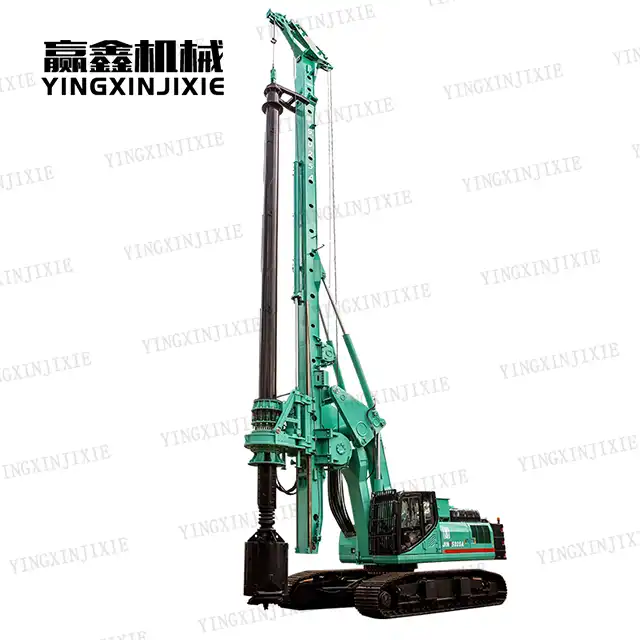
مقارنة استراتيجية بين قضبان كيلي الاحتكاكية والمتشابكة
يُعدّ اختيار التكوين الأمثل لقضيب كيلي القرار الحاسم في أي موقع عمل. صُممت آلة JINT SD25A لتتوافق بسلاسة مع كلا النظامين، ولكن فهم خصائصهما الميكانيكية المختلفة هو المفتاح لتحقيق أقصى قدر من الكفاءة في دورة الركائز المفردة.
قضيب كيلي الاحتكاكي: أقصى سرعة في التربة المتماسكة
تعتمد قضبان كيلي الاحتكاكية كلياً على التلامس الاحتكاكي بين الأجزاء الأنبوبية الخارجية والداخلية لنقل عزم الدوران.
الميزة التشغيلية: نظراً لعدم وجود أقفال ميكانيكية للتشغيل أو الإيقاف، فإن تمديد وسحب أنبوب الحفر يتم بسلاسة وسرعة لا تصدق.
السيناريو الأمثل: تُعدّ هذه الطريقة فعّالة للغاية في الطمي والطين والرمال المفككة حيث تكون مقاومة الحفر منخفضة نسبيًا. ويمكن للمشغلين تحقيق دورات عمل سريعة، مما يسمح باستخدام جهاز JINT SD25A للوصول إلى أعماق حفر تصل إلى 70 مترًا.
قضيب كيلي المتشابك: قوة لا تلين لموسيقى الهارد روك
عندما يصطدم المثقب بالحصى الكثيف أو الصخور الكبيرة أو الصخور الأساسية، فإن الاحتكاك وحده لا يكفي. تستخدم طريقة كيلي المتشابكة حوافًا ميكانيكية ملحومة (مفاتيح دفع) على كل قسم من أقسام الأنبوب.
الميزة التشغيلية: عندما يطبق المحرك الدوار ضغطًا سفليًا، تتشابك هذه الأجزاء معًا هيكليًا. وهذا يسمح لآلة JINT SD25A بنقل عزم الدوران الهائل البالغ 250 كيلو نيوتن متر مباشرةً إلى أسنان قطع الصخور دون انزلاق.
السيناريو الأمثل: يُستخدم هذا الجهاز حصراً لاختراق الصخور الصلبة حتى عمق 56 متراً. ومع ذلك، فإن عملية القفل والفتح تُبطئ قليلاً من زمن الدورة وتُولد ضغطاً تفاعلياً هائلاً على كامل الجهاز.
| مقياس الأداء | طريقة كيلي الاحتكاكية | طريقة كيلي المتشابكة |
| آلية نقل عزم الدوران | الاحتكاك السطحي بين الأنابيب | حواف قفل ميكانيكية |
| الهدف الجيولوجي الرئيسي | تربة لينة، طينية، رمل مفكك | صخور متآكلة، صخور أساسية، صخور ضخمة |
| سرعة الدورة | سريع (انزلاق مستمر) | أبطأ (يتطلب قفلًا تدريجيًا) |
| أقصى عمق (JINT SD25A) | 70 متر | 56 متراً |
| الحمل الديناميكي على المنصة | منخفض إلى متوسط | مرتفع للغاية |
القضاء على انحراف البئر باستخدام هيكل JINT SD25A
أكبر تكلفة خفية في عمليات الحفر باستخدام نظام كيلي المتشابك هي انحراف مسار البئر. فعندما تحاول حفارة تقليدية سحق الصخور، ينتقل عزم الدوران الناتج إلى أعلى الصاري، مما يتسبب في تذبذب الهيكل السفلي. ويؤدي هذا الخلل في المحاذاة إلى ركائز ملتوية، وهدر في الخرسانة، ورفض عمليات التفتيش على السلامة.
يقضي جهاز JINT SD25A على هذا الخطر من خلال هيكله السفلي المتين.
زاحف قابل للسحب من النوع H: يمكن توسيع الهيكل إلى عرض هائل يبلغ 4300 مم. هذه القاعدة العريضة تخفض مركز الثقل بشكل كبير وتزيد من مساحة التلامس، مما يخلق قاعدة صلبة للغاية تقاوم عزم الانقلاب الجانبي.
وزن التشغيل للخدمة الشاقة: بفضل كتلتها الهائلة التي تبلغ 73000 كجم، تمتص آلة الحفر JINT SD25A الاهتزازات العنيفة المتولدة أثناء حفر الصخور الصلبة.
متوازي أضلاع معزز: يضمن دعامة الصاري الرباعية أنه حتى عندما تقوم الرافعة الرئيسية بقوة 270 كيلو نيوتن بسحب دلو صخري محمل بشكل ثقيل، يظل الصاري عموديًا تمامًا (انحراف ≤ 1/200).
طاقة متواصلة لاستخراج الأدوات الثقيلة
يجب أن يكون الاستقرار مدعومًا بقوة متواصلة. أثناء استخدام طريقة كيلي المتشابكة، يرتفع خطر انحشار سلسلة الحفر في الصخور. تستخدم آلة الحفر JINT SD25A محرك Cummins QSL9 عالي الأداء (242 كيلوواط) مقترنًا بنظام هيدروليكي من كاواساكي. يضمن هذا عدم انخفاض الطاقة عند حاجة المشغل إلى أقصى قوة سحب للرافعة الرئيسية لكسر الشفط ورفع أنبوب الحفر الصخري من بئر عميقة مغمورة بالمياه.
عزز عائد استثمار أسطولك مع يينغ شين
بالنسبة لمقاولي الأعمال التجارية، لا ينبغي أن يؤدي توسيع أسطول المعدات إلى استنزاف السيولة النقدية. يوفر الحصول على حفارة JINT SD25A مستعملة، خضعت لفحص دقيق، من شركة YingXin، قدرات اختراق صخور فائقة الجودة بتكلفة أقل بكثير من سعر الوحدة الجديدة. تضمن YingXin أن كل مضخة هيدروليكية، ولحام هيكلي، ومكونات الهيكل السفلي مطابقة لمعايير المصنع، مما يضمن جاهزية حفارتك لتنفيذ كلٍ من طرق الاحتكاك وطرق كيلي المتشابكة من اليوم الأول.
الأسئلة الشائعة (FAQ)
كيف يؤثر عرض الهيكل على طريقة حفر كيلي؟
يُساهم الهيكل الأعرض في مقاومة عزم الدوران الناتج عند اختراق الرأس الدوار للصخور الصلبة. ويضمن العرض الممتد لجهاز JINT SD25A، البالغ 4.3 متر، عدم تأرجح الصاري، مما يحافظ على استقامة البئر ويمنع انحشار الأدوات.
هل يمكن لجهاز JINT SD25A التبديل بين قضبان الاحتكاك وقضبان التعشيق في الموقع؟
نعم. تم تصميم نظام الدوران والعمود في جهاز JINT SD25A بشكل شامل ليقبل كلاً من قضبان كيلي الاحتكاكية والمتشابكة. ويمكن للمقاولين استبدال سلسلة الحفر بناءً على أحدث عينات اللب الجيولوجي لتحسين سرعة الحفر.
لماذا يعتبر الونش الرئيسي بقوة 270 كيلو نيوتن أمراً بالغ الأهمية لعمليات التعشيق في شركة كيلي؟
يُستخدم الحفر المتشابك في الصخور الكثيفة، مما يعني أن الأدوات (مثل أنابيب أخذ العينات) أثقل وزنًا وقوى الشفط في قاع البئر شديدة للغاية. تضمن قوة السحب أحادية الخط البالغة 270 كيلو نيوتن قدرة جهاز الحفر على سحب الأداة المحملة بسلاسة دون إجهاد النظام الهيدروليكي.