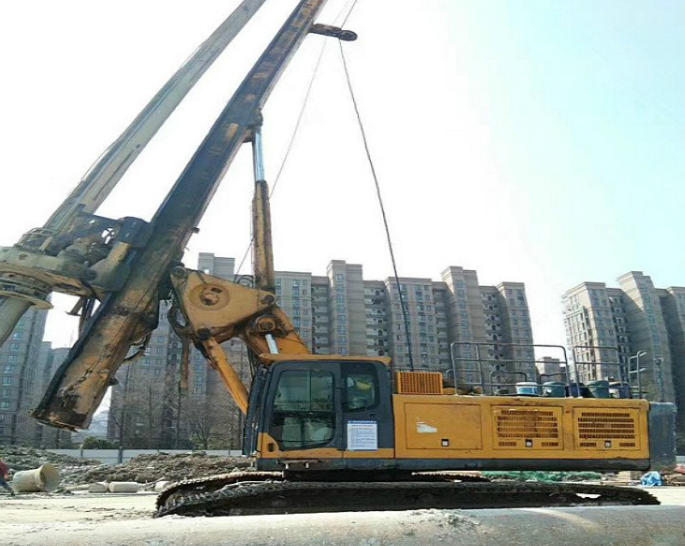


Hệ thống điều khiển điện của giàn khoan quay: Chẩn đoán lỗi, bảo vệ an toàn và logic vận hành
Thời gian phát hành: 16/11/2026
The Electrical Control System Serves as the Core Hub of the Whole Machine
Rotary drilling rigs work under harsh conditions with heavy vibration, dense dust and frequent load fluctuations. The electrical control system coordinates the power output, action execution and signal interaction of the whole machine, acting as the core for stable operation. Consisting of the main control unit, sensors, actuators and human-machine interaction terminals, the system processes all operation commands, status data collection and threshold judgment. It directly determines construction efficiency, equipment service life and on-site operation safety. For high-intensity and non-stop piling work, the reliability of the electrical control system has become a key consideration for equipment selection and daily maintenance.
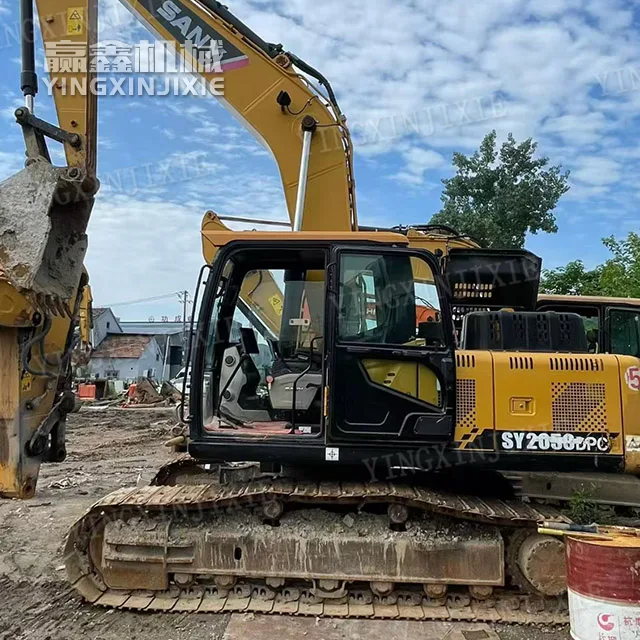
Intelligent Fault Diagnosis Enables Rapid Positioning and Reduces Downtime Loss
The intelligent fault diagnosis module is embedded in the main control program. It collects real-time signals including oil pressure, rotating speed, inclination angle, temperature and current, and automatically compares them with preset thresholds to distinguish warning faults and shutdown faults. Fault information is displayed on the operator screen with fault codes, trigger locations and suggested solutions. This changes the traditional troubleshooting mode relying solely on experience. Service technicians can carry out targeted inspection of circuits, sensors and hydraulic components based on diagnostic data, shortening on-site troubleshooting time and avoiding construction delays caused by unexpected shutdowns, which meets the demand for continuous hole forming in tight construction schedules.
Multi-layer Safety Protection Builds the Bottom Line for Operation Safety
The system adopts multi-dimensional safety protection logic, covering inclination limit, main winch overload protection, mast anti-falling, slewing buffer, emergency stop interlock and other key scenarios. When the rig exceeds the tilt limit, overload rating or pressure threshold, the electrical control system will first restrict hazardous movements, trigger audible and visual alarms or even shut down actively to prevent rollover and drill falling accidents caused by misoperation. The protection function adopts graded response instead of simple forced lockout. Minor abnormalities only trigger reminders, while critical risks cut off dangerous actions. It balances safety and construction continuity to adapt to complex strata and narrow job sites.
Operation Logic Matches Construction Habits to Balance Efficiency and Controllability
The electrical control logic is designed around piling hole-forming procedures. It assigns permissions and sets interlocks for actions of the power head, winch, slewing and travelling to avoid conflicting commands. Signals from joysticks and foot pedals are filtered by the main control unit to eliminate false signals induced by vibration, ensuring smooth and accurate response. Multiple working modes are available according to rock hardness and hole depth for khoan, hoisting and hole cleaning. It reduces the operator’s workload and helps new operators get familiar quickly to guarantee consistent hole-forming quality.
Continuous Optimization Caters to Market Demands of Engineering Projects
Fault diagnosis, safety protection and operation logic work in tandem to form a closed-loop control system. With the export of giàn khoan quay and growing overseas maintenance demands, control programs keep upgrading to support multi-language alarms and remote signal monitoring. Standardized maintenance, regular circuit inspection and program calibration can maximize system performance, reduce common electrical failures and support stable operation of domestic rotary drilling rigs at piling projects at home and abroad.