

UAE Pipeline Bypasses Strait for Faster Transit, Logistics of Large Pile Foundation Equipment in the Middle East Usher in a New Era
Release time: 2026-05-18
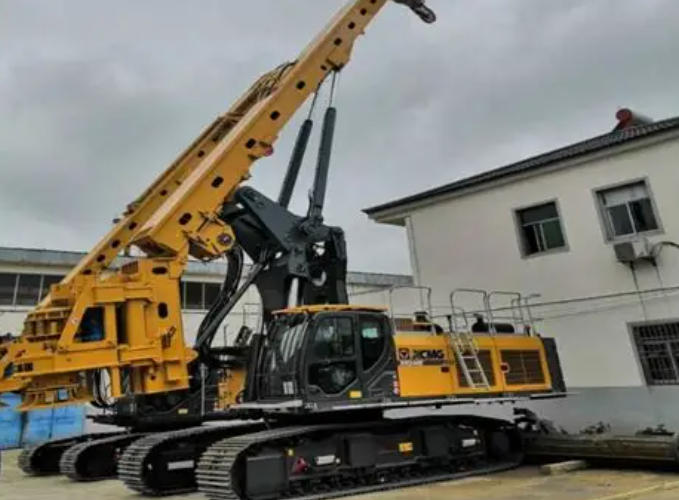
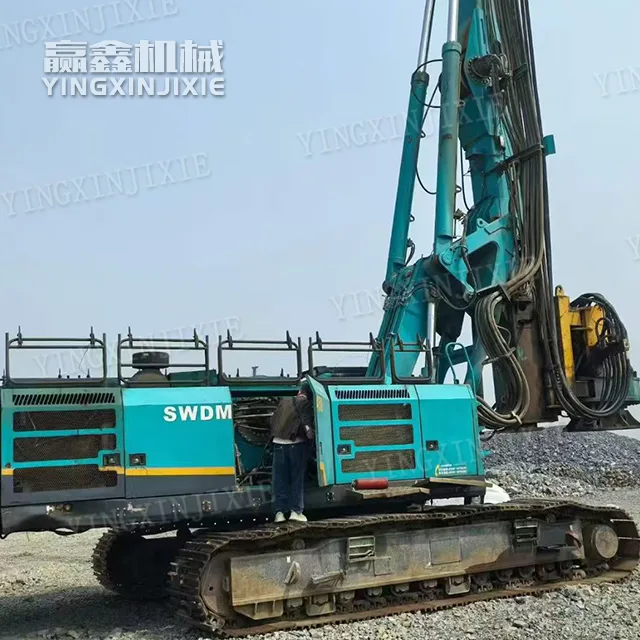
The United Arab Emirates is accelerating the construction of the “West East Pipeline” to bypass the Strait of Hormuz and reconstruct the energy logistics pattern in the Middle East. This measure directly affects global shipping routes, port layouts, and infrastructure investments, as well as the cross-border transportation and market demand for large pile foundation equipment such as rotary drilling rigs and pile drivers, presenting new trends and opportunities.
Risk overflow in the Taiwan Strait, surge in demand for large equipment flight routes to avoid risks
The geopolitical conflict in the Strait of Hormuz continues, shipping risks are rising, and the uncertainty of traditional Middle East shipping routes is intensifying. Ultra wide and ultra-high equipment such as rotary drilling rigs and pile drivers have strict requirements for the safety and stability of перевозки routes, and transportation companies are avoiding high-risk strait waterways. The acceleration of pipeline construction in the United Arab Emirates has promoted Fujairah Port to become an alternative hub, allowing large equipment to sail directly to the Gulf of Oman without crossing the strait, significantly reducing the risk of attacks, delays, and ship delays, and greatly improving the safety factor of the shipping route.
Port restructuring, Fujairah becomes the core of large-scale transportation in the Middle East
After the UAE’s “West East Pipeline” is put into operation in 2027, the crude oil export capacity of Fujairah Port will double, becoming a dual hub for energy and infrastructure logistics in the Middle East. The port is far from the strait and has sufficient deep-water berths, which can accommodate ultra large heavy lift ships and are suitable for the transportation of rotary drilling rigs or modular оборудование. Compared to ports along the Persian Gulf coast, Fujairah Port has less congestion, higher inspection efficiency, and stronger lifting capacity for oversized equipment. It is becoming the preferred transit port for domestic pile foundation equipment exported to the Middle East, driving the upgrading of related port lifting, yard storage, and other supporting facilities.
Infrastructure investment expansion, continuous release of demand for pile foundation equipment in the Middle East
The UAE’s withdrawal from OPEC and acceleration of pipeline construction are driven by the strategic demand to increase production capacity and strengthen energy independence, while supporting infrastructure investment is simultaneously increased. Pipeline laying, port expansion, and upgrading of land transportation networks all require a large number of rotary drilling rigs and pile drivers for pile foundation construction. At the same time, Saudi Arabia and the United Arab Emirates are promoting mega projects such as new city development and railway network construction, further driving demand for hard rock and deep pile equipment. Domestic equipment has outstanding cost-effectiveness, and export orders are steadily increasing. The Middle East market has become the core incremental area for буровые установки роторного типа going global.
Multimodal transport optimization, cross-border logistics timeliness and cost are more controllable
To adapt to pipeline and infrastructure projects, the UAE is promoting the upgrading of its land logistics network, connecting Fujairah Port with inland construction sites, and forming a “sea+road” multimodal transport channel. After the rotary drilling rig arrives at the port, it can be directly transported to the construction site by heavy-duty flatbed trucks, without the need for multiple dismantling and reassembly, reducing cargo damage and project delays. At the same time, the circumnavigation of the strait has shortened the range of some routes, reduced fuel costs, and combined with improved port efficiency, the overall logistics cycle of large equipment has been shortened by 10% -15%, making transportation costs more advantageous.
Enhance supply chain resilience and avoid the risk of single channel dependence
The geopolitical conflict in the Middle East has led to a concentration of risks on a single shipping route, and the layout of pipelines and ports in the United Arab Emirates provides an alternative solution for global large-scale logistics, reducing dependence on sensitive shipping routes in the Strait of Hormuz and the Red Sea. The rotary drilling rig and other equipment can choose to be transported directly to Fujairah Port or through the Red Sea Suez Canal for complementary transportation, significantly enhancing the impact resistance of the supply chain. Logistics companies are accelerating the layout of the Middle East Africa Strait route, increasing the direct shipping capacity of Fujairah Port, and building a diversified and stable cross-border large cargo transportation network.
The upgrading of industry competition forces the professionalization and advancement of logistics services
The growing demand in the Middle East market has attracted domestic and foreign pile foundation equipment brands to enter the market, and logistics services have become a key competitive factor. Customers have higher requirements for the lifting accuracy, binding reinforcement, and timeliness guarantee of rotary drilling rig transportation, which forces logistics companies to deepen their cultivation of large-scale transportation technology. Enterprises need to optimize special plans to adapt to extreme environments such as high temperatures and sandstorms in deserts, while expanding value-added services such as customs clearance, local operation and maintenance, and cross-border leasing, to seize the market with the integrated ability of “transportation+service” and help domestic equipment deeply cultivate the Middle East infrastructure market.