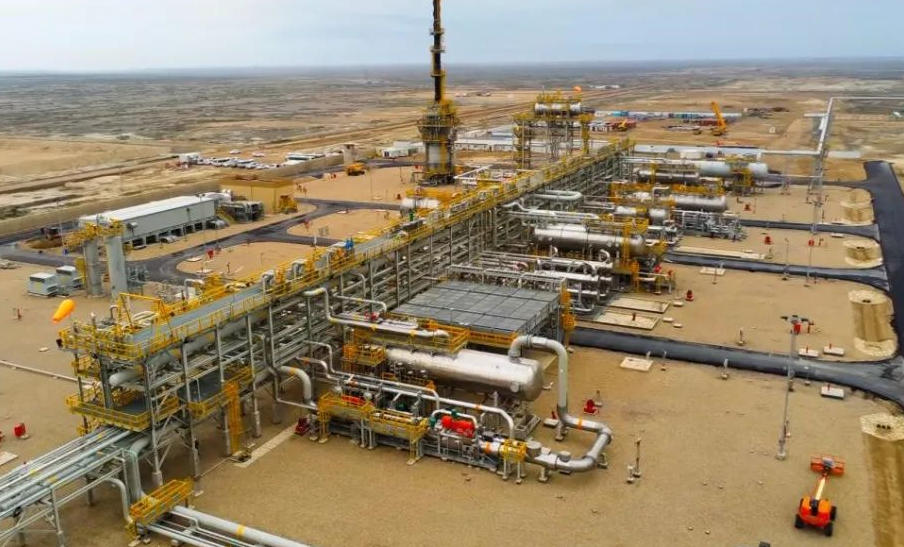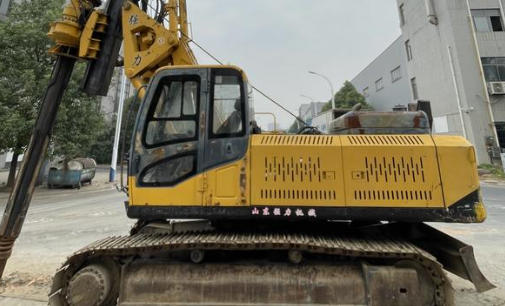


The North American trade mechanism is facing difficulties, and the logistics of large equipment is experiencing an uncertain cycle
The United States, Mexico, and Canada have launched the first round of joint review of the existence of the USMCA, highlighting differences in negotiations and spreading pessimism in the market. The North American Free Trade System, which has a development history of more than 30 years, is facing the risk of restructuring, completely breaking the stable pattern of regional trade and logistics. Large engineering equipment such as rotary drilling rigs and pile drivers have the characteristics of super large volume, overweight cargo weight, long transportation cycle, strong customized supporting facilities, and complex customs clearance verification. They highly rely on stable multilateral trade rules and normalized cross-border logistics systems, and are the core categories in the field of cross-border large cargo shipping. For a long time, relying on the unified market rules of the North American Free Trade Zone, a mature and fixed route, customs clearance, and warehousing supporting system have been formed for the cross-border circulation of large engineering equipment and ocean import and export logistics in the North American region. The current agreement faces three uncertain options of renewal, revision, and termination, and regional trade rules have entered a fluctuating cycle of annual review and dynamic adjustment, directly leading to the disorder of policy expectations for cross-border trade of large equipment such as rotary drilling rigs and pile drivers in North America. The previously stable large-scale logistics links have been forced to enter the adaptation and adjustment stage, and the overall operational risks of the industry have significantly increased.
Tightening rules of origin increase cross-border customs clearance logistics costs for large equipment
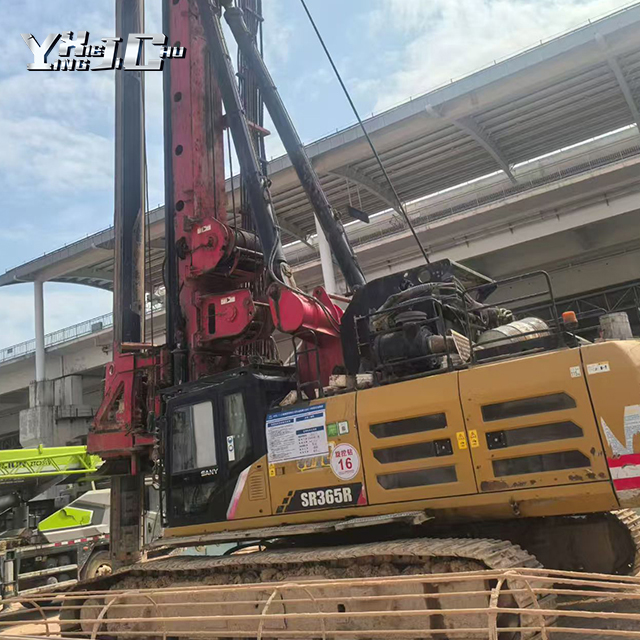
The core focus of this trilateral negotiation is on the reconstruction of rules of origin. The US has proposed strict requirements for the proportion of domestic production capacity, which will directly increase the compliance and logistics costs of cross-border circulation of rotary drilling rigs and pile drivers. The current USMCA stipulates that 75% of the materials for vehicle products in North America can enjoy tax-free benefits if they originate from the region, without any mandatory requirement for domestic market share in the United States. However, the US proposes new regulations that require more than half of the equipment components to be produced in the United States in order to enjoy tariff dividends. Plataformas de perfuração rotativa and pile drivers are integrated high-end engineering equipment, with multiple sources of core components, electronic control systems, and hydraulic components, making it difficult to fully adapt to a single domestic production capacity standard in the United States. After the tightening of rules, whether it is large-scale equipment produced and sold domestically in North America, or overseas engineering equipment transiting through North America and relying on ports in Mexico and Canada, it is necessary to reorganize the qualifications of the place of origin and improve the complete set of traceability documents. This will not only significantly prolong the customs verification and qualification review time of large equipment, but also easily lead to problems such as port detention and retention. It will also increase the logistics additional costs of document production, compliance review, and qualification rectification for enterprises, making the originally standardized large cargo shipping process cumbersome and inefficient.
The deadlock in the tripartite negotiations disrupts the logistics layout of the North American supply chain for large equipment
The imbalanced progress and unresolved differences in negotiations between the United States, Mexico, and Canada continue to impact the cross-border supply chain and logistics system for large-scale engineering equipment formed through the North American Free Trade Zone. At present, bilateral consultations between the United States and Mexico continue to advance, but differences still exist. The negotiations between the United States and Canada have reached a deep deadlock, and the three parties are unable to form a unified consensus on trade rules. The pace of industrial cooperation and trade circulation in the region has slowed down comprehensively. As an important global market for infrastructure equipment consumption and circulation, North America undertakes a large number of import, transit, and leasing logistics services for plataformas de perfuração rotativa and pile drivers all year round. Multi country engineering equipment enterprises rely on low-cost logistics channels in Mexico and Canada, as well as improved port resources in North America, to build a large-scale logistics network covering the American market. As the revision of the agreement enters a game deadlock, the expected return of manufacturing industry and upgrading of trade barriers in the region are heating up. Enterprises have postponed the layout of large-scale equipment production capacity, cross-border stocking and route planning plans, leading to intensified fluctuations in North American large shipping orders, imbalanced cross-border capacity allocation, and significant contraction of normal equipment round-trip transportation, maintenance logistics, and transit warehousing business.
Weakening trade expectations suppress the vitality of the cross-border logistics market for large equipment
The outlook for the North American Free Trade Area is bleak, and trade rules continue to fluctuate, weakening market confidence and suppressing cross-border logistics demand for large equipment such as rotary drilling rigs and pile drivers. The current North American business community generally holds a pessimistic attitude towards the survival of the agreement. Even if the agreement is not withdrawn temporarily, the annual review mechanism will keep the trade rules in a state of continuous change for the next decade, greatly increasing the unpredictability of tariff standards, market access, and customs clearance policies. For equipamentos de engenharia trade and logistics enterprises, an unstable policy environment means a significant increase in long-term layout risks. Enterprises generally adopt conservative business strategies and temporarily suspend large-scale equipment exports to the North American market, cross-border leasing, project supporting transportation, and other businesses. At the same time, the additional expenses brought about by the annual review, such as compliance supervision, policy response, and process adjustment, further compress the profit margins of logistics enterprises, resulting in a sustained decline in market vitality in segmented fields such as large-scale equipment ocean shipping, cross-border large cargo transportation, and special lifting logistics in the North American region.
Regional trade restructuring forces the iterative upgrading of large-scale logistics models
The trade pains brought about by the changes in the US Mexico Canada Agreement also provide new opportunities for the iteration of global large-scale equipment logistics models. Traditional North American large-scale logistics heavily relies on free trade zone tax-free dividends and fixed customs clearance rules, with a single model and weak risk resistance. Against the backdrop of trade rule restructuring, the original path is no longer able to adapt to market changes. Faced with the new situation of tightened rules of origin, increasing trade barriers, and frequent policy fluctuations, logistics companies and equipment trading companies have begun to actively adjust their layout, gradually weaken their dependence on the rules of the North American Single Free Trade Zone, optimize global large cargo shipping routes, build diversified cross-border logistics channels, simplify cross-border compliance processes for large equipment, and improve differentiated customs clearance solutions. This spontaneous adjustment in the industry will promote the transformation of cross-border logistics of large equipment such as rotary drilling rigs and pile drivers from rule-based to market-oriented, diversified, and risk resistant models, and provide long-term support for the upgrading of the global large-scale logistics system.
Conclusion
The survival game and rule reconstruction of the USMCA are profoundly changing the trade and logistics pattern of large-scale engineering equipment in North America and even globally. In the short term, policy uncertainty, tightening rules, and negotiation deadlock will continue to drive up cross-border logistics costs for rotary drilling rigs and pile drivers, disrupt market order, and suppress industry vitality; In the long run, this trade change will force the large-scale logistics industry to break away from its traditional mode, optimize its global layout, enhance its risk resistance capabilities, and promote the industry to develop towards a more standardized, diversified, and stable direction.