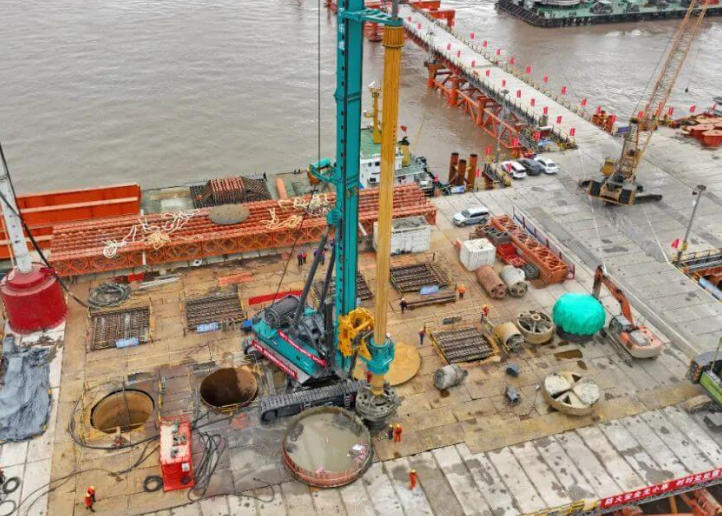


A queda acentuada nos estoques globais de petróleo aumenta a pressão, e a logística transfronteiriça de equipamentos de fundação de grande porte enfrenta sérios desafios.
Release time: 2026-05-19
The International Energy Agency has issued a clear warning of a sharp decline in global commercial oil inventories, a significant reduction in inventory availability cycles, and an increasingly tight supply and demand pattern in the energy market with the arrival of the peak summer oil season. The tight energy supply has directly transmitted to the global shipping system, profoundly affecting the ocean transportation and global logistics operation of heavy engineering equipment such as rotary drilling rigs and pile drivers, and the overall logistics operation pressure of the industry has risen.
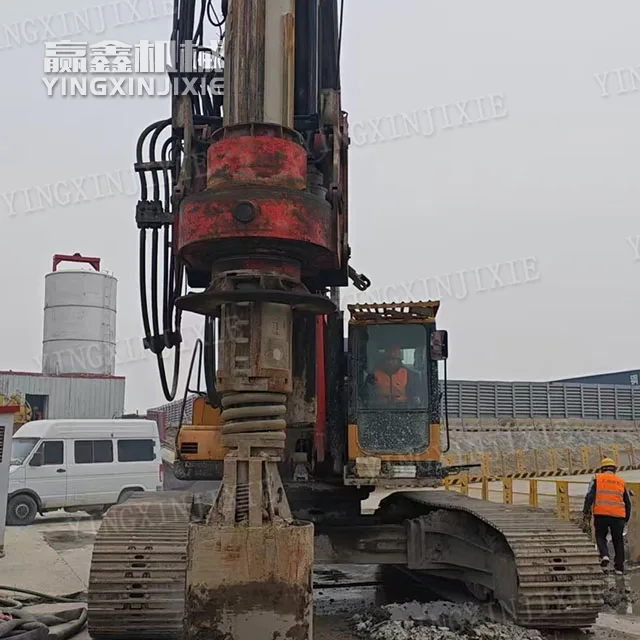
Fuel supply is tightening, and the operating costs of large-scale transportation continue to rise
The rapid depletion of global oil inventories and the widening gap in fuel supply in the market have directly pushed up the purchase prices of various types of shipping fuels. Heavy lift ships and special large vessels that undertake the transportation of rotary drilling rigs and pile drivers consume a huge amount of fuel, and fuel costs account for a significant proportion of overall logistics expenditures. The upward trend of oil prices caused by insufficient inventory is difficult to reverse in the short term, and various types of fuel surcharges on air routes have been raised simultaneously. The sea freight cost of complete machines from domestic departure ports to major overseas infrastructure markets continues to rise, further compressing the profit margin of equipamentos de engenharia foreign trade enterprises and making it significantly more difficult to control the cost of cross-border bulk shipments.
Capacity allocation is limited, and the stability of ship scheduling has significantly decreased
The shortage of oil inventory has led to a tense situation in the overall fuel supply of the global shipping industry, with multiple long-distance transit ports experiencing insufficient fuel supply and fuel queues. The supply rhythm of large special ships during long-distance voyages has been disrupted, and the original sailing plan has been forced to be adjusted. Heavy equipamento transport ships such as rotary drilling rigs are unable to depart and dock on time according to the established schedule. The overall scheduling order of ships is disrupted, equipment shipment schedules are constantly delayed, and the delivery cycle of foreign trade orders is forced to be extended, which can easily cause delays in the entry of equipment for overseas infrastructure projects and affect the overall construction progress.
Peak season demand overlaps, logistics freight rates enter a high fluctuation range
With the gradual arrival of the summer energy consumption peak, the demand in the oil market is further increasing, and the already scarce inventory situation is becoming more severe. The overall capacity allocation in the shipping market is becoming increasingly tight, and the previously stable sea freight rates for large equipment have entered a phase of frequent fluctuations. The widening gap in freight rates between different routes and the increasing shortage of cabin space on popular infrastructure outbound routes have made it more difficult for enterprises to lock in low-priced transport capacity in advance. Temporary booking not only results in high prices, but also makes it difficult to ensure the professional loading conditions required for the safe transportation of large pile foundation equipment.
The synchronous pressure on land logistics has led to a decrease in the efficiency of domestic and international transit transportation
The rise in oil prices and tight fuel supply not only affect ocean shipping, but also affect land logistics links such as cross-border highways and inland long-distance transportation. After the rotary drilling rig is transported by sea to the port, it relies on heavy flatbed trucks to complete inland construction site distribution. The operating costs of land transportation vehicles have also increased, resulting in reduced transportation capacity and slower delivery in many places. The transfer efficiency of the entire domestic and international chain has decreased, and the entire process of equipamento from going out to landing on the construction site has increased, resulting in a significant decrease in overall logistics turnover efficiency.
Industry adjustment accelerates, logistics layout shifts towards energy conservation and diversified channels
Faced with the long-term energy logistics pressure brought about by the sharp decline in oil inventories, the engineering equipment logistics industry has begun to actively adjust its development ideas. Many logistics companies prioritize the use of compliant large transport vessels with lower fuel consumption, optimizing navigation routes to reduce unnecessary voyage losses. At the same time, foreign trade enterprises are gradually adjusting their shipping pace, arranging staggered transportation of rotary drilling rigs and other equipment overseas, actively laying out low-energy multimodal transportation models such as sea rail intermodal transportation, relying on diversified logistics channels to reduce operational risks caused by single fuel shipping, and stabilizing the overseas equipment delivery system.