

Impact of Restricted Navigation in the Strait of Hormuz on Cross-Border Logistics of Large Engineering Equipment
Release time: 2026-07-06
Overall situation of Hormuz Strait navigation recovery
Influenced by the situation in the Middle East and the phased cease-fire between the United States and Iraq, shipping in the Strait of Hormuz has gotten rid of the overall stagnation state and realized limited recovery. The average number of daily passing vessels has significantly increased compared with the conflict peak period. The export of energy supplies such as crude oil in the Gulf region has gradually warmed up. However, the overall navigation status has not returned to the pre-conflict standard, the hidden mine hazards of the channel, the high shipping insurance premium, the differences in the navigation rules of all parties have not been resolved, the superposition of multiple factors results in the continuous weak shipping efficiency and market confidence of the Strait, and the overall operation characteristics of “smooth and unsmooth, stable and uncertain” not only affect the energy trade, but also form a continuous constraint on the trans-regional large cargo logistics transportation.
Exclusive Shipping Pain Points for Transportation of Large Engineering Equipment
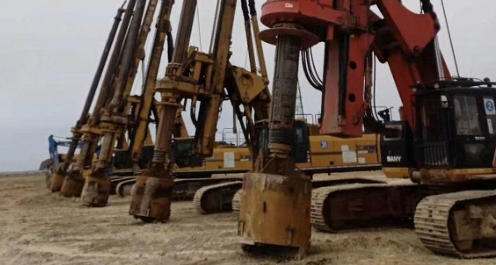
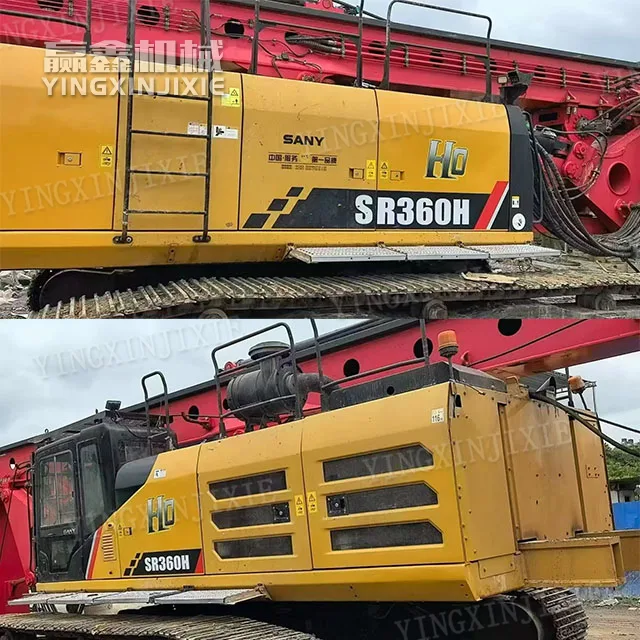
Large engineering equipment such as rotary drilling rig and pile driver belongs to super long, super wide and super heavy special heavy-cargo cargo. Compared with ordinary commercial ships and tankers, they have more stringent requirements on navigation conditions, navigation stability and route safety. This kind of equipment is mostly used for infrastructure construction in the Middle East, overseas engineering assistance and cross-border infrastructure projects, and highly relies on the main shipping channel of Hormuz Strait. Conventional bulk carrier and large special carrier are the main means of transport, which cannot flexibly adjust routes and avoid risks like small vessels. Besides, they have long transport cycle and high single transport value, and are much more sensitive to channel safety, shipping timeliness and transport cost than common cargo. Under the current situation of limited navigation in the Strait, the logistics difficulties are more prominent.
Shipping Insurance Premium Boosts Total Equipment Logistics Cost
The shipping insurance cost remains high, which is the core reason for the current cross-border logistics cost of large engineering equipment. The data show that although the relevant shipping insurance rate of Hormuz Strait war fell from the peak, it still maintained about 2% of the ship value, far exceeding the conventional rate of less than 0.1% in the normal year, and the premium reached 20 times of the normal level. Large equipment such as rotary drilling rig and pile driver shall be transported by dedicated large cargo ships. The original value of the ship is high, the risk weight of cargo transportation is larger, and the corresponding insurance cost increases more obviously. For engineering equipment trade enterprises and overseas infrastructure enterprises, the high insurance premium directly compresses the profit space of the project, and some small and medium-sized enterprises suspend the shipping plan due to cost pressure, which directly restricts the circulation efficiency of large infrastructure equipment in the Middle East.
Channel Control Restriction Dragging Equipment Transportation Aging
At present, Hormuz Strait is not fully and freely navigable, and all ships need to strictly follow the designated channel and safety control rules for passage. The passage approval process is cumbersome, and the passage speed of ships is slowed down, greatly prolonging the cross-border transportation cycle of large engineering equipment. The large-scale equipment transportation itself needs to plan the route in advance and customize the loading scheme, which has high requirements on transportation timeliness. However, the uncertainty of the passage through the Strait leads to the detention of ships and the delay of navigation. The cross-border logistics transportation that can be completed in a short period of time is now required to reserve sufficient buffer time, which disturbs the equipment mobilization and construction preparation pace of overseas infrastructure projects, and easily causes chain problems such as project delay and additional construction costs.
Disagreement in navigation rules intensifies uncertainty in logistics market
Iran plans to issue new control rules for navigation through the Straits and increase relevant charges, forming a conflict with the concept of international free channel held by the international shipping industry. The negotiation between the United States and Iraq on the management mode of the Straits and shipping arrangement still has obvious differences, making the cross-border logistics market of large equipment in a wait-and-see state for a long time. Rotary drilling rigs, pile drivers and other engineering equipment are mostly transported to sea in batches and normalized. Enterprises need to formulate long-term logistics plans based on stable route rules and cost expectations. However, the current market environment with unclear rules and pending policies makes logistics enterprises dare not to finalise long-term transportation contracts. Most enterprises adopt conservative operation strategies to reduce the transportation frequency of the Strait route and further tighten the circulation channels of large engineering equipment.
Potential safety hazards restricting the long route logistics layout
At present, there are still potential safety hazards such as mines in Hormuz Strait, the regional security situation is not completely stable, and the navigation risk of large special transport ships continues to exist. Compared with ordinary ships, the ship carrying large engineering equipment has larger target size and poorer mobility, and it is more difficult to avoid risks in case of emergencies. Once a navigation accident occurs, it will not only cause high equipment damage and ship loss, but also cause complex cross-border material flow disputes and project default problems. The continuous potential safety hazard makes the global large logistics enterprises keep a prudent attitude to the route of Hormuz Strait, actively avoid the long transport layout of the route, and further restrict the supply of large infrastructure equipment in the Middle East.
Prospect of future development trend of the industry
On the whole, the limited recovery of navigation in the Strait of Hormuz temporarily guarantees the basic traffic capacity of cross-border logistics of large engineering equipment such as rotary drilling rigs and pile drivers, but the core problems of high cost, slow aging, high risk and disorderly rules have not been solved. The recovery pace of logistics transportation of large-scale engineering equipment in the future will continue to be subject to the regional security situation, the declining progress of shipping insurance rate, the results of the U.S. – Iraq negotiations and the implementation of the Strait navigation rules. In the short term, the cross-border logistics of large infrastructure equipment in the Middle East will still maintain a prudent and constricted operation trend, and the industry enterprises need to avoid the logistics risks caused by the navigation of the Strait by optimizing the transportation scheme, dispersing the transportation routes, locking short-term contracts, etc.