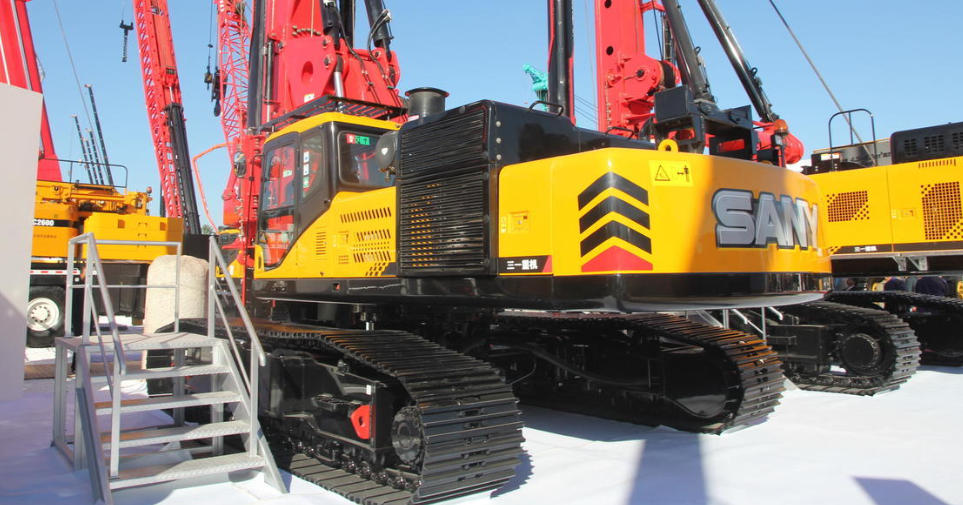


Existen variables en las negociaciones de alto el fuego temporal entre Estados Unidos e Irán, y la navegación en la tercera línea del estrecho ha interrumpido el transporte marítimo de grandes cimientos de pilotes.
Fecha de lanzamiento: 30/06/2026
Meida has reached a temporary ceasefire consensus and plans to restart negotiations in Doha, but Iran denies recent arrangements for technical talks and bilateral differences have not been completely resolved. The Strait of Hormuz has formed three separate shipping routes, with chaotic traffic rules and disputes over shipping service fees. The stability of the Middle East ocean shipping route fluctuates repeatedly, directly affecting the shipping routes, timeliness, and comprehensive logistics costs of over limit pile foundation equipment such as rotary drilling rigs and pile drivers.
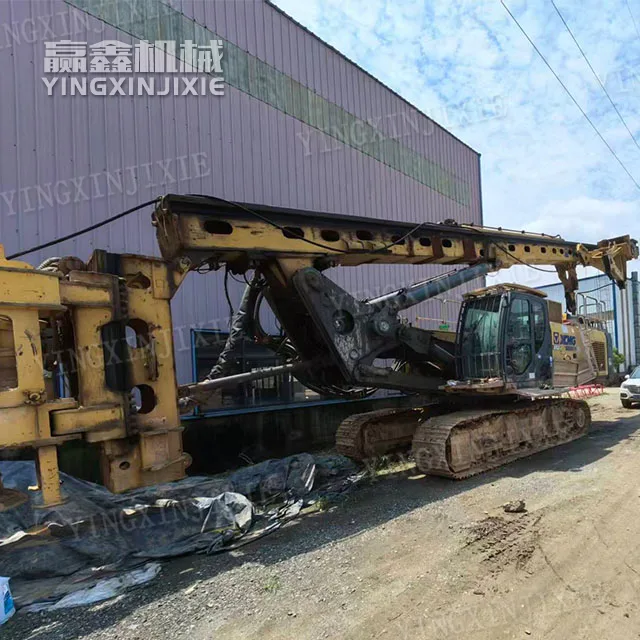
A brief ceasefire eased the situation, and the insurance premiums for large vessels to avoid danger slightly decreased
Both sides have temporarily suspended military strikes against each other, and the tense atmosphere in the Persian Gulf has cooled down in the short term. Shipping insurance institutions have lowered their rates for maritime war insurance. The plataforma de perforación rotatoria has a high cargo value and cannot be disassembled, and has always been a high insurance target, resulting in a certain reduction in insurance expenses. However, the authenticity of the negotiation news is mixed, and the market remains cautious. Insurance rates are difficult to return to the low levels before the conflict broke out, and logistics costs have only experienced a slight temporary reduction.
The strait is divided into three independent shipping routes, and the choice of shipping routes for large vessels is caught in a dilemma
At present, the strait is divided into three routes: the northern route of Iran, the central waterway, and the southern route controlled by Oman. The jurisdiction rules of the three parties are not unified, and the approval standards for ship passage are chaotic. The heavy lift ships carrying pile drivers and plataformas de perforación rotatoria have a large body size and limited turning and avoidance space. Once they choose the wrong route, they are easily intercepted and inspected. Many shipowners dare not rashly choose the northern route along the Iranian coast, and can only detour around the southern route. The navigation route is forced to be adjusted, the voyage is slightly increased, and the delivery cycle of equipment by sea is extended accordingly.
The dispute over waterway charges remains unresolved, and the cost of large vessel passage remains variable
Iran is considering charging fees for cross-strait navigation services, but the US firmly opposes it. Both sides will play a game over this in the Doha negotiations. Large special vessels have a large tonnage and occupy more waterway resources. If the subsequent toll fees are implemented, the cost of single vessel transit will significantly increase. At present, foreign trade enterprises are unable to lock in long-term freight rates and can only adopt short-term booking models. They dare not sign long-term agreement freight rates for more than six months, and the stability of export quotations for pile foundation equipment is continuously disrupted.
The prospects for peace talks are uncertain, and logistics companies are maintaining a dual line backup transportation plan
The United States and Iran have different opinions on the arrangement of the talks, the terms of the memorandum of understanding are vague, and it is difficult to completely resolve the air route dispute at once. The situation may recur at any time. The logistics industry has not blindly resumed the layout of direct flights and long lines. On the one hand, it has seized the opportunity to concentrate shipments during the short and peaceful window period, and on the other hand, it has retained the African Cape of Good Hope ocean route and the China Europe freight train land transportation channel. By diverting the supply of plataformas de perforación rotatoria and pile drivers through multiple routes, we can avoid the risk of supply chain interruption caused by the re closure of the strait.