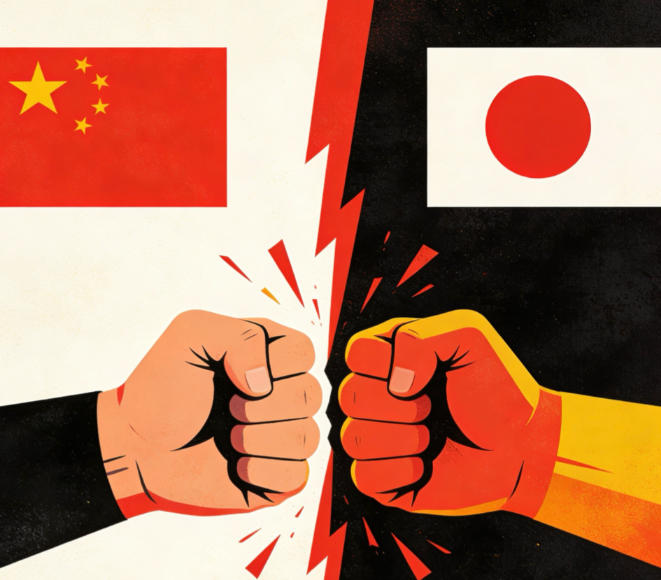


El Memorándum de Entendimiento entre Estados Unidos e Irak fue roto por Estados Unidos, y la plataforma de perforación rotatoria y otros grandes equipos de cimentación de pilotes fueron enviados bajo presión.
Release time: 2026-07-08
Memo failure tears apart short-term navigation stability expectations, large equipment routes lose buffer window
On June 18th, Iran and the United States signed the Islamabad Memorandum of Understanding, which temporarily lifted Iran’s oil sales license. The Strait of Hormuz entered a 60 day stable navigation window period, and the export logistics of rotary drilling rigs and pile drivers in the Middle East infrastructure market could have been smoothly promoted. The sudden cancellation of the exemption from oil sanctions by the United States blatantly violates Article 10 of the memorandum, rendering the short-term easing mechanism completely ineffective. Rotary drilling rigs and pile drivers are ultra long, overweight, and over limit equipment that can only be transported by heavy lift ships and semi submersible ships. The flexibility of route adjustment is extremely low. Previously, the company’s Middle East long haul shipping plan, which relied on the memorandum of understanding to stabilize navigation planning, has all failed. The global large-scale shipping capacity scheduling for the Persian Gulf has lost reliable policy reference, and the long-term uncertainty of cross-border logistics has returned to a high level.
The scope of secondary sanctions imposed by the United States has expanded, and the compliance risk of the entire engineering equipment chain has sharply increased
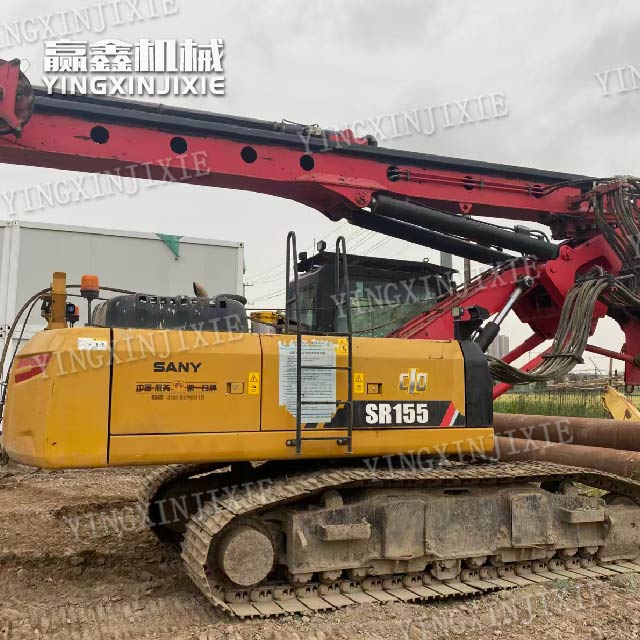
After the United States tightened sanctions related to Iranian oil, the secondary sanctions on supporting shipping have been simultaneously increased. Any ships and logistics companies that dock at Iranian ports and provide insurance, supply, and customs clearance services for Iranian related cargo flows are at risk of being included in the sanctions list. The plataforma de perforación rotatoria is equipped with a large number of hydraulic and electronic control components, and some trade orders will be transferred to multiple Middle Eastern countries through the Persian Gulf. Freight forwarders, ship owners, and insurance institutions have tightened their access standards for Middle Eastern business. Previously, the review of equipment origin, shipping documents, and settlement vouchers that could be simplified has been comprehensively upgraded. Second hand rotary drilling rig exporters need to establish an independent compliance document system. Any document related to the Iranian oil trade link will trigger ship detention and cargo detention risks, greatly extending the compliance review cycle.
The geopolitical friction in the Strait of Hormuz is heating up, and the cost of shipping large vessels continues to rise
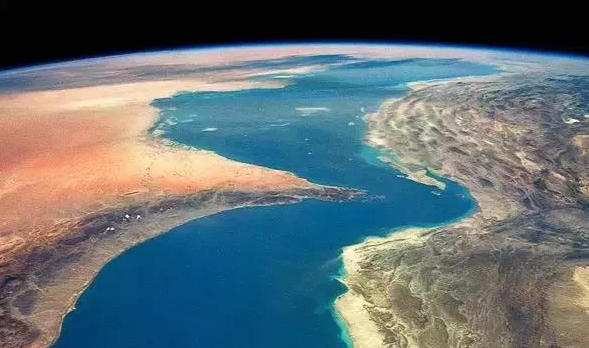
After the rupture of the memorandum, the maritime confrontation between the United States and Iran intensified, and the passage of the strait was divided into two opposing sets of navigation rules. Iran required ships to report passage along the northern coastal route, while the United States guided merchant ships to bypass the southern Oman route, leaving heavy lift ships in a dilemma. If you insist on direct shipping through the Taiwan Strait, you will need to pay a high amount of war premium insurance; If one detours around Cape of Good Hope, the distance will increase by more than 7000 kilometers and the transportation cycle will be extended by ten to fifteen days. The plataforma de perforación rotatoria has a high self weight and occupies a large space, resulting in significantly higher fuel consumption and ship demurrage costs compared to ordinary cargo. Coupled with the rising prices of marine fuel due to regional situations, the comprehensive sea freight rate for complete machines has increased significantly, and the landing cost of equipment for overseas buyers has also risen synchronously.
The demand for infrastructure in the Middle East is shrinking synchronously, and the sea freight volume of pile foundation equipment is weakening
The Iranian oil and gas industry is the core driving force for infrastructure in the Middle East. The restart of oil sanctions by the US directly suppresses the expansion of Iran’s oil and gas fields and the pace of urban infrastructure projects. Local orders for plataformas de perforación rotatoria and pile drivers have significantly decreased. At the same time, neighboring countries in the Gulf are observing the regional situation and temporarily suspending investment in factory buildings, road and bridge pile foundation projects, which has cooled down the previously stable demand for large equipment freight in the Persian Gulf. Heavy lift ship companies specializing in engineering equipment have experienced a decline in cargo loading rates on their Middle East routes, forcing some vessels to adjust their routes and head to Southeast Asian and African markets. This has resulted in a passive restructuring of the global allocation of large cargo shipping capacity.
Cross border settlement channels are restricted, and the turnover of equipment foreign trade logistics funds is hindered
The memorandum of understanding was originally intended to relax the settlement restrictions on Iran’s oil trade, and equipment export enterprises can rely on the financial channels supporting oil trade to complete payment and receipt of goods. After the US lifted its sanctions exemption, the US dollar settlement channel tightened comprehensively, and banks generally avoided the business of shipping letters of credit related to the Middle East and Persian Gulf. The high value and long payment cycle of rotary drilling rigs and pile drivers have hindered settlement channels, resulting in slower capital recovery for enterprises. It is difficult to lock in heavy lift vessel space in advance, prepay port lifting and inland oversized transportation costs. Many export orders have been delayed due to settlement risks, and logistics turnover efficiency continues to decline.
Large scale logistics are forced to open up bypass routes, greatly increasing the complexity of transit links
To avoid the dual risks of navigation and sanctions in the Strait of Hormuz, most logistics providers have abandoned the direct shipping plan to the Persian Gulf and opted for two alternative routes: one is to bypass the Cape of Good Hope in Africa and sell to the Middle East and Europe; The second is to transit through inland land transportation in Saudi Arabia and enter Gulf countries. The rotary drilling rig belongs to oversized items, and cross-border transportation by land requires approval from multiple countries for oversized transportation. Multiple lifting and storage links are added during multi-stage transportation, increasing the risk of equipment collision and damage. Temporary storage fees at ports and inland yards are also added, and the entire logistics chain operation process is cumbersome, making it difficult to guarantee delivery time.
There is uncertainty in Iran’s countermeasures, which have long suppressed overseas investment in engineering equipment
The Iranian Ministry of Foreign Affairs has clearly stated that it will take corresponding actions to safeguard national security, and the intensity of maritime control and ship inspections in the strait may continue to escalate. Overseas infrastructure investors are concerned about long-term regional turbulence and have postponed the approval of large-scale pile foundation projects, reducing their plans for importing rotary drilling rigs and pile drivers. Large shipping companies dare not lock in the capacity of Middle Eastern routes for a long time, and often adopt short-term temporary booking models. The industry is difficult to form a stable long-term logistics plan, and cross-border trade of large engineering equipment in the Middle Eastern market has entered a continuous contraction cycle.