

Global oil supply sharply declines, cross-border logistics of large pile foundation equipment faces dual challenges of cost and timeliness
Release time: 2026-05-11
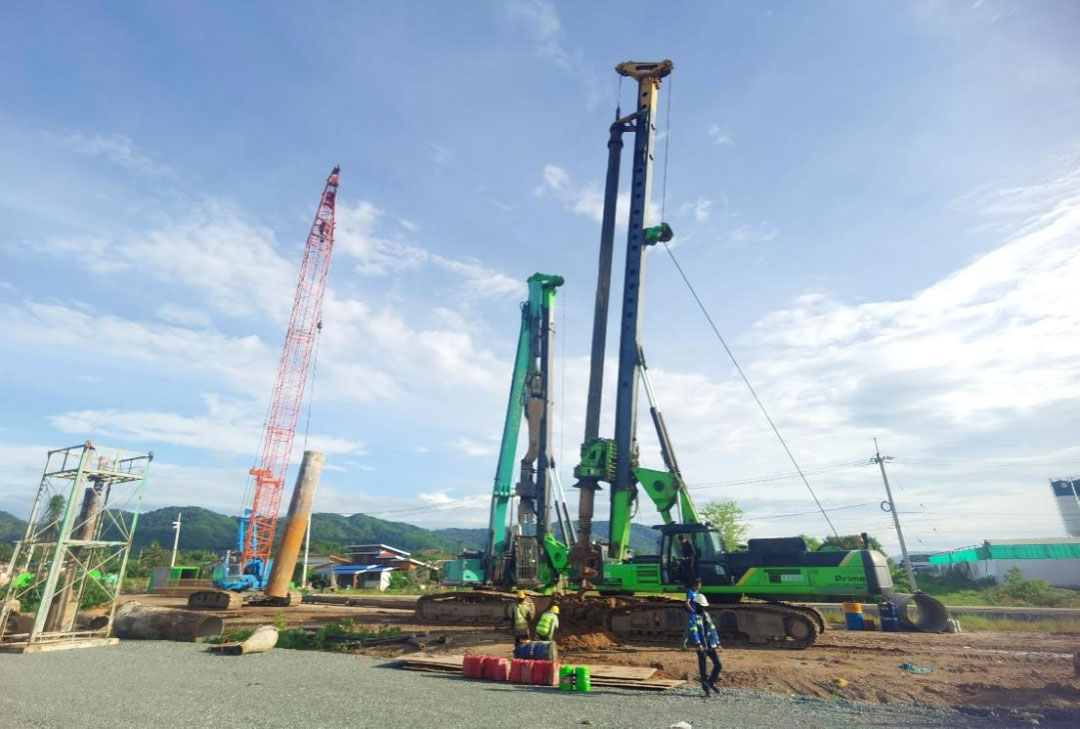
The President of Saudi Aramco has revealed that global oil supply has decreased by approximately 1 billion barrels in the past two months, coupled with geopolitical disturbances in the Middle East and continued fluctuations in international oil prices, posing severe challenges to energy supply stability. As a global energy hub, although Saudi Arabia has ensured oil exports along the Red Sea coast by increasing the transportation capacity of the East West oil pipeline (with a daily output of 7 million barrels), it is still difficult to fully offset the chain effects of supply shortages. Large pile foundation equipment such as rotary drilling rigs and pile drivers heavily rely on ocean going heavy lifting vessels and large special vessels for cross-border transportation. These vessels have a large fuel consumption base and are highly sensitive to fuel prices and supply stability. The sharp decline in oil supply directly leads to comprehensive adjustments in equipment logistics costs, shipping schedules, and route layouts, bringing multiple pressures to the foreign trade industry of construction machinery.
Fuel prices continue to rise, leading to a rigid increase in operating costs for large-scale logistics
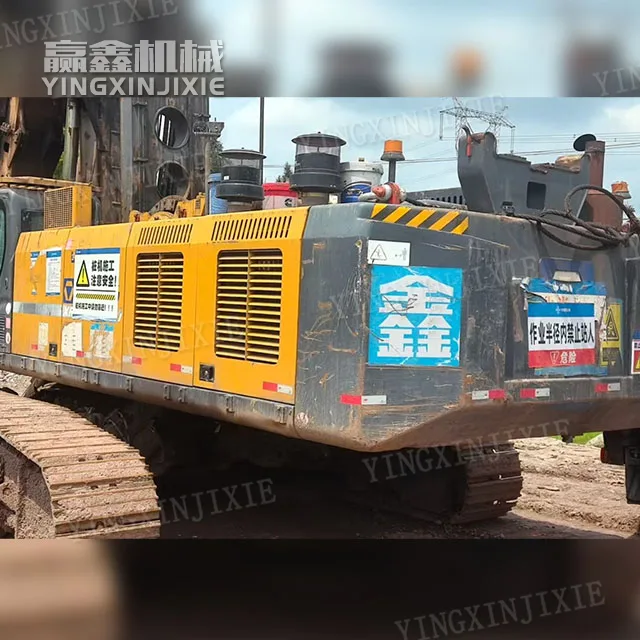
The global shortage of oil supply has directly driven up international fuel prices, and as the core carrier for cross-border transportation of rotary drilling rigs and pile drivers, fuel consumption accounts for up to 30% -40% of their operating costs. The rise in oil prices has directly led to a sharp increase in logistics costs. A single rotary drilling rig (about 40-60 tons) is transported by sea across borders, from China to Europe and the Middle East. The proportion of fuel costs has increased from 35% to over 45%, and the fuel expenditure per ship has increased by hundreds of thousands of dollars. In order to cover costs, logistics companies are forced to increase the freight rates and fuel surcharges for large-scale transportation. This part of the cost is ultimately passed on to ingeniería machinery export companies, further compressing the export profit margins of rotary drilling rigs and pile drivers. Some small and medium-sized foreign trade enterprises have even suspended overseas orders due to cost pressures.
The stability of fuel supply is insufficient, and the risk of delays in the shipping schedule of large vessels is increasing
The reduction in oil supply not only drives up oil prices, but also leads to supply shortages at global fuel supply nodes, with some long-distance shipping routes experiencing reduced fuel quotas and longer waiting times for supply at intermediate supply ports. Cross border transportation of rotary drilling rigs and pile drivers often uses long-distance shipping routes, and ships need to make multiple stops for refueling during navigation. Unstable fuel supply directly disrupts the rhythm of ship navigation, and delays in envío schedules become the norm. Previously, the shipping schedule for large cargo from China to the Middle East was about 20-25 days. However, due to fuel supply delays, the shipping schedule has generally been extended by 3-7 days. Some ships have even been forced to temporarily adjust their routes due to fuel shortages, resulting in equipment being unable to arrive at the port on time, affecting the progress of overseas pile foundation projects and triggering the risk of project breach.
Saudi Arabia’s oil transportation layout adjustment leads to structural changes in the capacity of large cargo on the Red Sea route
To alleviate energy shocks, Saudi Aramco has significantly increased the transportation capacity of its east-west oil pipelines, ensuring oil exports along the Red Sea coast. This adjustment directly affects the envíos globales route layout, especially benefiting the transportation of large items on the Red Sea route. As the core channel for the transportation of large equipment from China to Europe and the Middle East, the Red Sea route has improved the stability of fuel supply, attracting some shipping companies to tilt the capacity of large ships towards this route. The capacity of the original route around the Cape of Good Hope in Africa has been reduced. For some orders of rotary drilling rigs and pile drivers exported to the Middle East and Europe, the Red Sea route can be used to shorten the transportation cycle. However, at the same time, due to adjustments in route capacity, there may be short-term booking shortages and intensified price fluctuations. Enterprises need to plan and book in advance to avoid the risk of capacity gaps.
Energy cost transmission, forced adjustment of export and logistics strategies for large equipment
The shortage of oil supply has led to an increase in energy costs, forcing construction machinery and logistics companies to adjust their operational strategies. On the one hand, export enterprises optimize the export structure of rotary drilling rigs and pile drivers, prioritize accepting short distance, high value-added orders, reduce long-distance transportation orders, and lower fuel cost pressures; On the other hand, logistics companies are accelerating route optimization, integrating transportation resources, implementing the “centralized shipping and consolidated shipping” model, sharing fuel costs, and prioritizing ports with stable fuel supply as transit nodes to reduce mid way supply delays. In addition, some companies have begun to explore electrification and energy-saving of large transportation equipment, attempting to reduce their dependence on traditional fuels and cope with long-term energy supply uncertainty.
Long term supply pressure, industry accelerates construction of diversified logistics guarantee system
Saudi Aramco has made it clear that even if energy flows return to normal, it will take some time for the global energy system to return to normalcy, which means that the situation of tight oil supply and fluctuating oil prices will continue for some time. Faced with long-term energy pressure, the cross-border logistics industry for large equipment is accelerating the construction of a diversified security system. Logistics companies should strengthen cooperation with fuel supply hubs such as Saudi Arabia and Singapore, lock in fuel supply contracts in advance, and avoid price fluctuations and supply shortage risks; Construction machinery enterprises deepen cooperation with overseas warehousing and assembly bases, adopting a “local assembly+regional distribution” model to reduce cross-border long-distance transportation frequency, lower fuel consumption and logistics costs, and ensure the stability of global delivery of rotary drilling rigs and pile drivers.