

تشتد المنافسة الجيوسياسية في قمة الناتو، وتواجه الخدمات اللوجستية العابرة للحدود للمعدات الهندسية واسعة النطاق تغييراً.
Release time: 2026-07-07
The geopolitical game at the summit intensifies, and the global logistics business environment continues to be under pressure
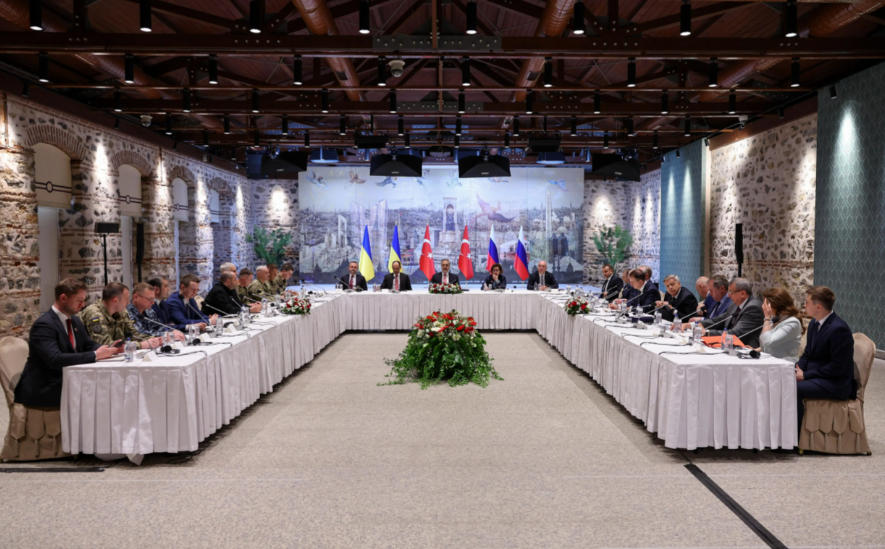
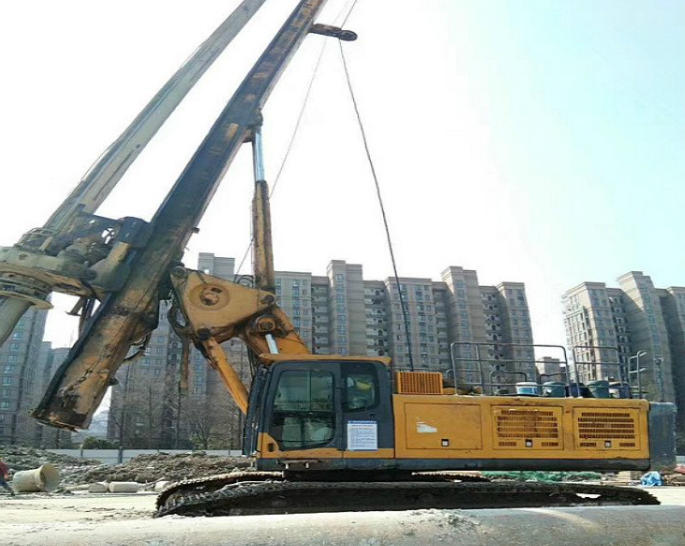
The core contradiction of the Ankara NATO Summit focused on the allocation of defense rights and responsibilities between the United States and Europe and the game of strategic loyalty. Instead of focusing on defense spending in the past, the United States demanded that NATO allies unconditionally stand in line in the US Iraq and Russia-Ukraine conflict conflicts, making the internal strategic differences of NATO completely open. The continuous tension in the two hot regions of the Middle East and Eastern Europe, coupled with the significant increase in global geopolitical uncertainty, has completely changed the basic environment for cross-border logistics of large-scale engineering equipment. Heavy equipment such as rotary drilling rigs and pile drivers have the characteristics of large volume, high weight, non disassembly, and long transportation cycle. They highly rely on stable international air routes, port traffic order, and regional security environment. The turbulence of the geopolitical situation directly breaks the smooth operation rhythm of the original logistics system, and the overall operational pressure of the industry significantly increases.
Upgrading the control of Middle Eastern air routes and forcing the reconstruction of large-scale equipment shipping routes
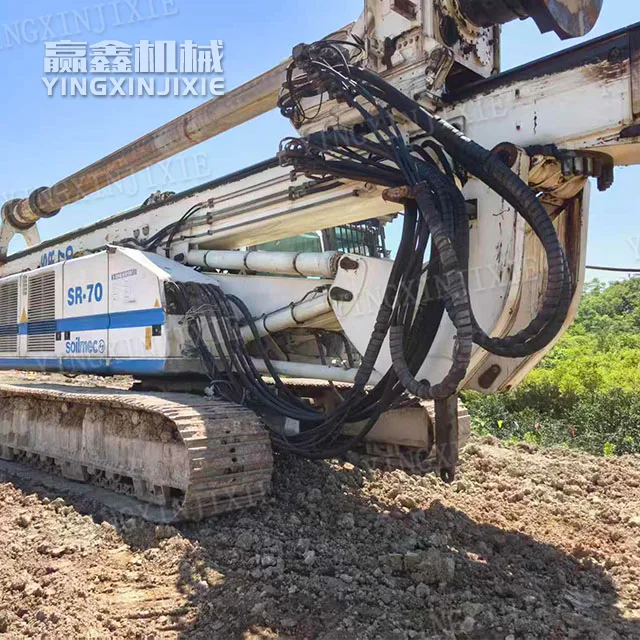
The summit clearly stated that NATO will carry out naval escort, mine clearance and other operations in the Strait of Hormuz, and reiterated its restraint stance on Iran. The escalating military confrontation in the Middle East has a direct impact on the sea transportation of large equipment. The Strait of Hormuz is a core throat for cross-border logistics between Asia, Europe, and Asia, as well as a key route for domestic engineering equipment exports to the Middle East and European markets. Compared to ordinary freight materials, large special equipment transport ships such as منصات الحفر الدورانية and pile drivers have a large size and poor maneuverability, making them potential targets for regional conflicts. Most shipping companies have suspended direct routes through the strait to avoid safety risks and are forced to detour around the Cape of Good Hope in Africa. This adjustment directly leads to an increase of 4000 to 6000 nautical miles in transportation distance and an extension of 10 to 20 days in transportation time. It not only significantly reduces equipment delivery time, but also adds incremental costs such as fuel consumption and ship leasing, causing a significant increase in shipping costs for large equipment export enterprises.
The Russia-Ukraine conflict continues to drag on the blocking of overland logistics channels in Eastern Europe
The summit has finalized the resolution to continue to provide large amounts of military assistance to Ukraine from 2026 to 2027, which means that the Russia-Ukraine conflict will be a long-term drag, and the risk of logistics traffic in Eastern Europe will continue to rise. Recently, Russia’s frequent military strikes on Kiev have significantly reduced the security of passage through Ukraine and surrounding Eastern European ports and land routes, resulting in frequent restrictions on freight flow, upgraded inspections, and temporary lockdowns in the region. منصات الحفر الدورانية and pile drivers are commonly used in infrastructure projects and exported in large quantities to Eastern Europe and the Russian market. Previously, cross-border transportation channels relying on land and sea transportation from Central Europe and the Black Sea have greatly reduced their efficiency. At the same time, Russia has previously closed railway ports in multiple Nordic countries and raised freight rates, further blocking the land logistics channels in northern Eastern Europe, resulting in a sharp reduction in the available routes for cross-border transportation of large equipment, frequent delays in order delivery, and logistics delays, seriously affecting the construction progress of overseas infrastructure projects.
NATO defense burden transfer raises cross-border trade compliance threshold
The summit focuses on promoting the expansion of European defense spending and the autonomy of defense rights and responsibilities. While European allies have significantly increased defense investment, they have also tightened cross-border trade and logistics compliance controls. Under pressure from the United States, NATO countries have strengthened their import and export verification mechanisms for military and engineering equipment. Heavy engineering equipment such as منصات الحفر الدورانية and pile drivers have been included in key verification categories due to their adaptability to infrastructure and defense supporting projects. The inspection process at ports in various countries has become more stringent, resulting in significantly longer document review, equipment verification, and customs clearance delays. Coupled with potential trade barriers and tariff adjustments between the United States and Europe, the compliance and time costs of cross-border logistics for large equipment continue to rise. Some European countries are facing temporary trade restrictions due to defense progress not meeting US expectations, further exacerbating the uncertainty of logistics clearance.
Internal friction within the alliance continues, equipment logistics market pattern accelerates reshaping
The strategic differences between the United States and its European allies are difficult to reconcile, and Trump’s extreme demand for “loyalty” from allies has significantly reduced the stability of NATO’s internal policies, directly leading to the restructuring of the global logistics system for large equipment. On the one hand, the misalignment of strategic demands between the United States and Europe has led to frequent changes in shipping rules, tariff standards, and security policies for transatlantic routes, making it difficult for logistics companies to form stable transportation plans and further amplifying operational risks; On the other hand, anti NATO military expansion demonstrations continue to ferment in many parts of the world, and some European citizens resist the expansion of defense spending, indirectly affecting regional infrastructure investment and trade demand for engineering equipment, which in turn spreads to the logistics industry. In the long run, the large-scale equipment logistics model relying on traditional single route and fixed customs clearance mode is difficult to sustain, and the industry will gradually transform towards multi route alternative, regional transportation, and compliant and refined operation.