

What Makes a Rotary Drill Rig Suitable for Deep and Large-Diameter Piling?
Release time: 2026-09-04
Table of Contents
Deep foundation projects often require a drilling rig that can handle both considerable drilling depth and large borehole diameters. When these requirements come together, specifications such as torque, drilling depth, rotary head speed, crowd force, and pull-out force become particularly important.
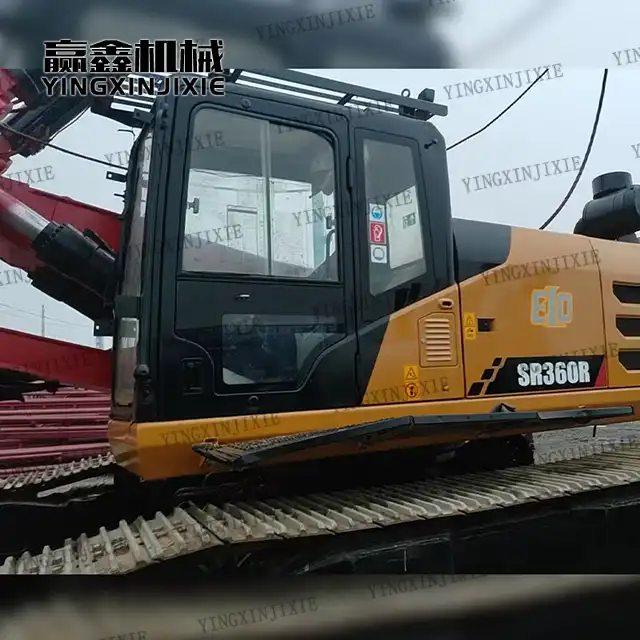
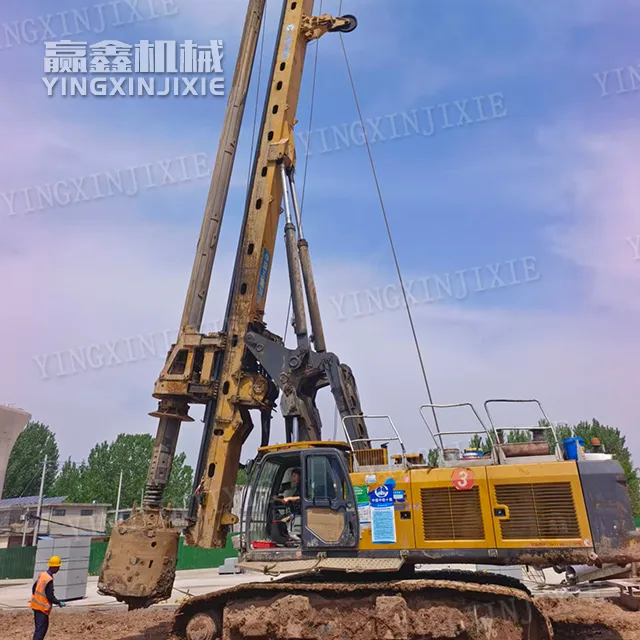
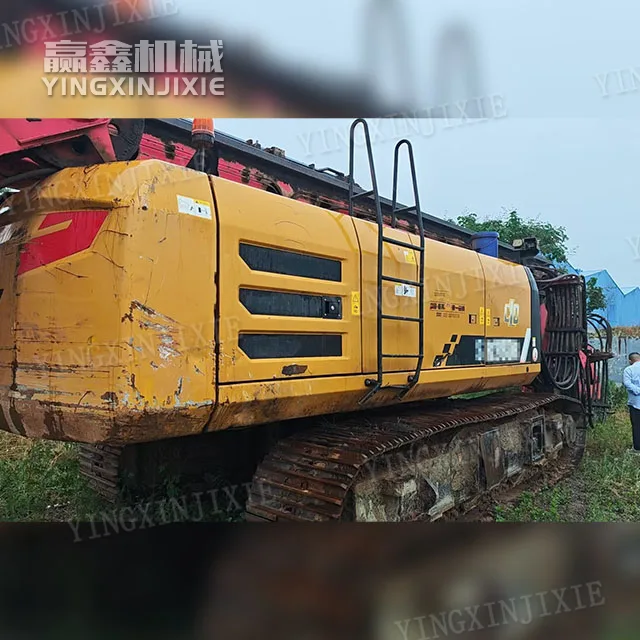
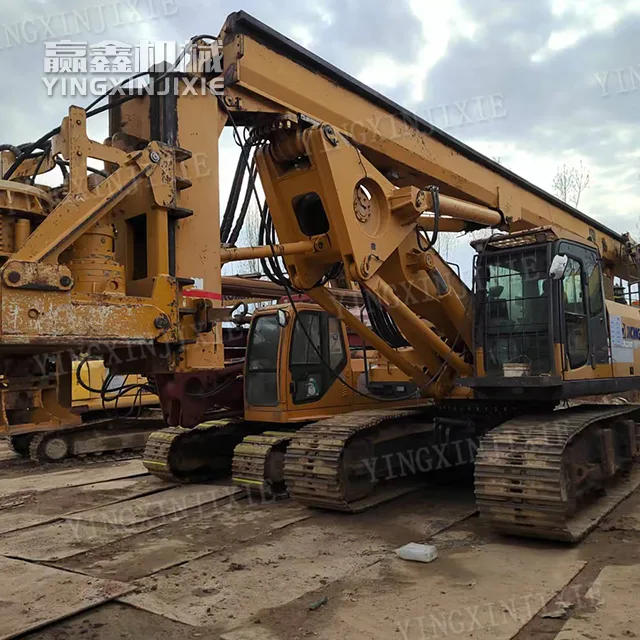
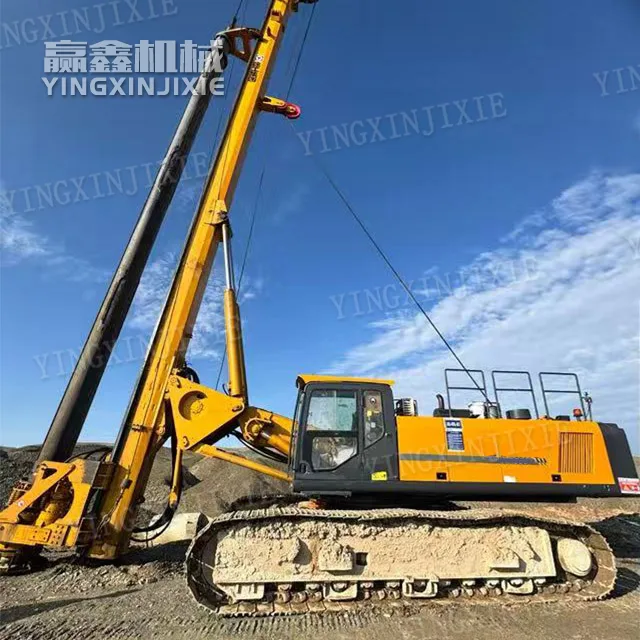
For contractors looking for deep piling equipment, the SANY SR285 is one model worth considering. It combines a maximum output torque of 285 kN·m with a maximum drilling diameter of 2,800 mm and a maximum drilling depth of 90 m when equipped with a friction Kelly bar. These specifications give it the capacity needed for many demanding foundation drilling applications.
Suzhou Yingxin Engineering Machinery Co., Ltd. provides construction machinery for foundation and other engineering applications, including rotary drilling rigs from well-known manufacturers. The SR285 is a good example of the type of heavy-duty equipment that can be considered when drilling depth and pile diameter are both important.
SANY SR285 Specifications at a Glance
Before looking at what makes a rotary drill rig suitable for deep and large-diameter piling, it is useful to look at the main specifications of the SR285:
| Key Specification | SANY SR285 |
| Model | SR285 |
| Max. Output Torque | 285 kN·m |
| Max. Drilling Diameter | 2,800 mm |
| Max. Drilling Depth – Friction Kelly Bar | 90 m |
| Max. Drilling Depth – Interlocking Kelly Bar | 62 m |
| Rotary Head Speed | 6–28 rpm |
| Max. Crowd Force | 260 kN |
| Max. Pull-out Force | 340 kN |
| Operating Weight | 85,000 kg |
These figures show that the SR285 is designed around the demands of high-capacity drilling rather than a single performance characteristic. But what do these specifications actually mean when considering equipment for deep and large-diameter piling?
Why Are Deep and Large-Diameter Piling Projects More Demanding?
As pile diameter and drilling depth increase, the drilling rig needs to handle greater loads and resistance during operation.
A larger borehole generally requires more drilling capacity, while deeper piles place additional demands on the drilling system and Kelly Bar. The equipment also needs enough force to push the drilling tool into the ground and pull it back out when necessary.
For this reason, contractors should look at several specifications together rather than selecting equipment based on one number.
How Does Output Torque Affect Drilling Performance?
Output torque is one of the key specifications to examine when comparing a rotary drill rig for demanding foundation work.
The torque determines how much rotational force the rotary head can deliver to the drilling tool. This becomes especially relevant when working with larger drilling diameters or ground conditions that create greater resistance.
The SANY SR285 has a maximum output torque of 285 kN·m. Combined with its 2,800 mm maximum drilling diameter, this gives contractors a better basis for considering the machine for large-diameter foundation drilling.
Rather than simply looking for the highest possible torque, it is more useful to compare the torque with the planned drilling diameter, depth, tools, and ground conditions.
How Important Is Drilling Depth?
Drilling depth is another major consideration for deep piling equipment.
The SR285 can reach a maximum drilling depth of 90 m with a friction Kelly bar and 62 m with an interlocking Kelly bar.
The two configurations provide different drilling capabilities, so contractors should select the appropriate Kelly Bar according to the required pile depth and project conditions.
For a project involving deep foundation piles, having sufficient drilling depth can reduce the risk of equipment limitations during construction.
What Does Maximum Drilling Diameter Tell You?
The maximum drilling diameter indicates the size of borehole the rig is capable of producing under the specified configuration.
With a maximum drilling diameter of 2,800 mm, the SR285 can be considered for projects requiring large-diameter bored piles.
However, maximum diameter should not be evaluated on its own. Larger holes can place greater demands on the drilling system, making torque, crowd force, and other specifications equally important when assessing large-diameter piling equipment.
Why Do Rotary Head Speed and Crowd Force Matter?
The SR285 has a rotary head speed range of 6–28 rpm. A variable speed range gives operators the ability to adjust the rotary head according to the drilling conditions and the tool being used.
The machine also provides a maximum crowd force of 260 kN. Crowd force helps apply downward force to the drilling tool, which can be important when the tool needs additional pressure to penetrate the ground.
Together, rotary speed and crowd force contribute to the overall drilling performance, although the appropriate operating settings will depend on the actual project conditions.
What Is the Role of Pull-Out Force?
Pull-out force is particularly relevant when the drilling tool needs to be lifted from the borehole.
The SR285 has a maximum pull-out force of 340 kN. For deep drilling applications, sufficient pull-out capacity can be important because the weight of the drilling tools and the resistance within the borehole can increase as drilling depth increases.
This is one reason why contractors should consider both drilling and lifting capabilities when evaluating a machine for deep foundation work.
Does Operating Weight Matter?
The SR285 has an operating weight of 85,000 kg.
For a heavy-duty drilling rig, operating weight is an important specification to consider alongside torque and drilling forces. The machine needs to remain suitably stable while working with large drilling tools and handling the forces generated during drilling.
At the same time, contractors should consider transportation, site access, and ground conditions before bringing a machine of this size to a project.
What Should Contractors Consider Before Choosing a Rotary Drill Rig?
The right equipment depends on the actual requirements of the foundation project. Before selecting a rotary drill rig, contractors can compare the following factors:
| Project Requirement | Specification to Check |
| Large pile diameter | Maximum drilling diameter |
| Deep foundation piles | Maximum drilling depth |
| High drilling resistance | Output torque |
| Tool penetration | Crowd force |
| Tool extraction | Pull-out force |
| Different drilling conditions | Rotary head speed |
| Heavy-duty operation | Operating weight |
This approach gives contractors a more practical way to compare equipment. Instead of focusing on a single specification, they can assess whether the complete machine configuration matches the pile design and site requirements.
Where Can a Machine Like the SR285 Be Considered?
A machine with this combination of drilling diameter, depth, torque, and force capacity can be considered for foundation projects where large or deep bored piles are required.
Potential applications include:
- Large building foundations
- Bridge and transportation infrastructure
- Deep foundation projects
- Large-diameter bored pile construction
- Heavy civil engineering projects
The actual suitability of the SR285 will depend on factors such as geological conditions, pile specifications, drilling tools, site access, and the required construction configuration.
FAQ
1. What is the maximum drilling diameter of the SANY SR285?
The maximum drilling diameter is 2,800 mm.
2. How deep can the SANY SR285 drill?
The maximum drilling depth is 90 m with a friction Kelly bar and 62 m with an interlocking Kelly bar.
3. What is the maximum output torque of the SR285?
The maximum output torque is 285 kN·m.
4. What are the crowd force and pull-out force of the SR285?
The maximum crowd force is 260 kN, while the maximum pull-out force is 340 kN.
5. Is the SR285 suitable for deep and large-diameter piling?
The SR285 has a combination of 285 kN·m maximum output torque, 2,800 mm maximum drilling diameter, and up to 90 m maximum drilling depth, making it a model worth considering for projects involving deep and large-diameter piling. Final selection should be based on the specific ground conditions and project requirements.
Final Thoughts
Deep and large-diameter piling requires more than a rig with a high drilling capacity. Contractors need to consider torque, drilling diameter, drilling depth, rotary head speed, crowd force, pull-out force, and operating weight as part of the overall equipment selection.
With its 285 kN·m maximum output torque, 2,800 mm maximum drilling diameter, and 90 m maximum drilling depth with a friction Kelly bar, the SANY SR285 offers a combination of specifications suited to demanding foundation drilling applications.
Suzhou Yingxin Engineering Machinery Co., Ltd. supplies construction machinery for different engineering requirements and provides equipment options for foundation and other construction applications. For contractors planning deep or large-diameter piling work, comparing the machine’s specifications with the actual project requirements is the best way to determine whether a particular rig is suitable.