

Việc Nhật Bản chủ động chuẩn bị cho một cuộc chiến tranh lâu dài làm gia tăng rủi ro địa chính trị, trong khi hoạt động vận chuyển hàng hóa nặng xuyên biên giới, đặc biệt là thiết bị đóng cọc quy mô lớn, đang phải đối mặt với áp lực và tắc nghẽn ngày càng tăng.
Release time: 2026-04-30
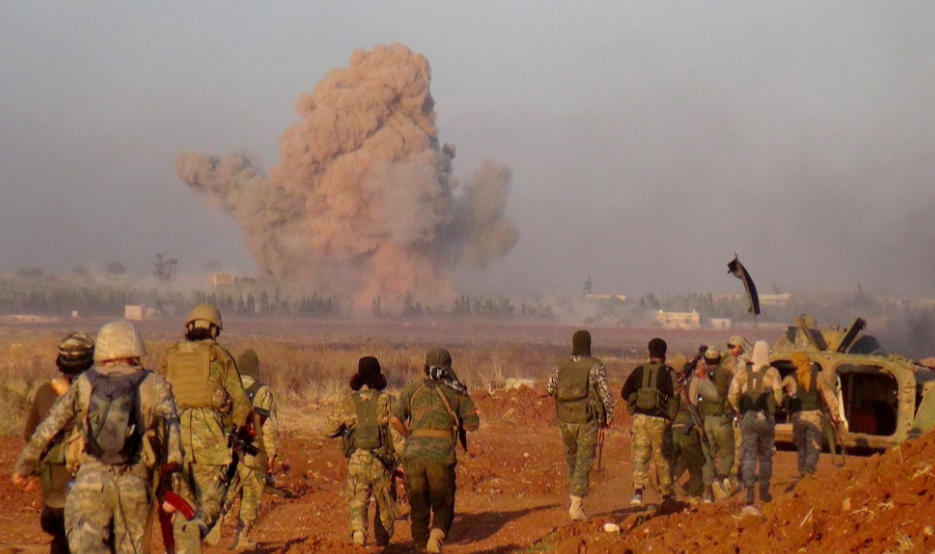
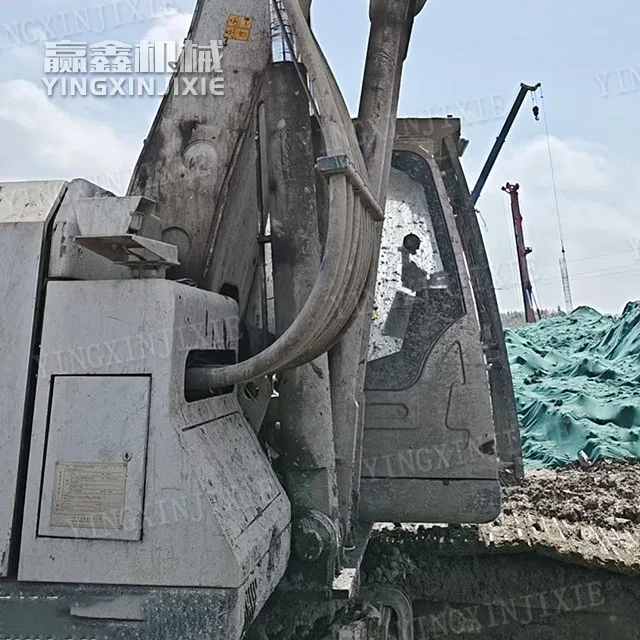
The right-wing forces in Japanese politics continue to hype up new combat models, openly clamoring to be fully prepared for long-term wars, continuously refreshing defense budgets, bulk sealing retired combat equipment, relying on the civilian military model to strengthen the military industry, accelerating the layout of unmanned combat capabilities, and comprehensively accelerating the pace of military expansion. Combined with the special timing of the 80th anniversary of the Tokyo Trial, Japan has refused to reflect on its historical aggression crimes and instead continues to promote military expansion, directly leading to a continued escalation of geopolitical tensions in East Asia, normalization of military control in maritime areas, and a sharp increase in regional security uncertainty. As core large-scale over limit pile foundation equipment in infrastructure projects, rotary drilling rigs and pile drivers heavily rely on the stable operating environment and normalized customs clearance trade system of the main shipping channels along the East Asian coast and regional hub ports for cross-border transportation. The chain negative effects brought about by Japan’s crazy preparations for war are comprehensively impacting the scheduling of large-scale equipment shipping routes, transportation cost control, customs clearance delivery efficiency, and overseas market layout. The operational pressure on the cross-border logistics industry of large engineering equipment continues to increase.
The military standoff in East Asia continues to escalate, and the stability of core shipping routes has significantly decreased
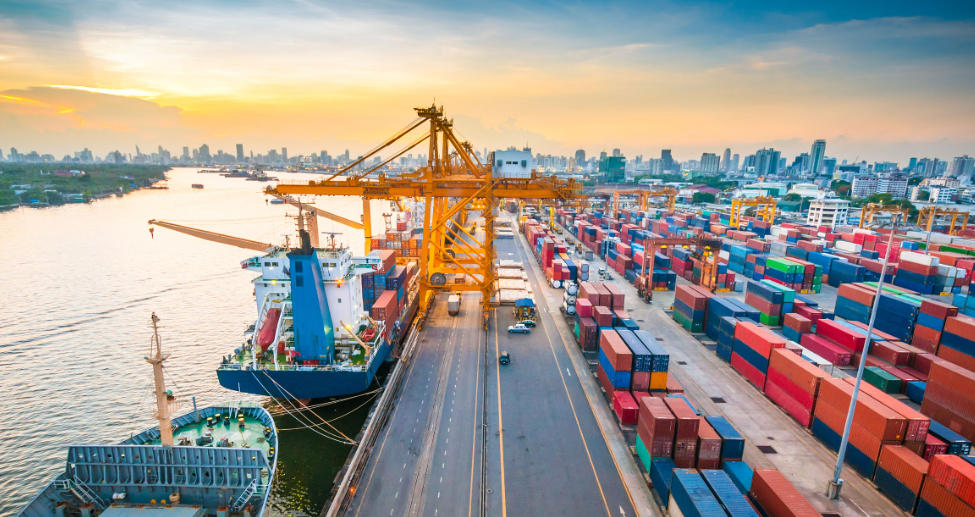
Japan is meticulously building a long-term war combat system, continuously expanding its land, sea, and air equipment reserves, conducting frequent military exercises, and strengthening the deployment of unmanned combat capabilities. The frequency of military activities in key international shipping routes around East Asia has significantly increased, and control measures such as temporary navigation bans, ship cruise control, and temporary maritime inspections have been intensively introduced. The Asia Pacific offshore route, as a core and essential passage for the export of domestic giàn khoan quay and pile drivers to Southeast Asia, Japan, South Korea, and surrounding infrastructure markets, originally had a stable and orderly navigation order. However, due to the influence of geopolitical and military games, the navigation window period has shrunk and temporary route controls have occurred frequently. Rotary drilling rigs and pile drivers belong to the category of overweight and oversized special large cargo, which must be transported by dedicated special vessels such as heavy lift ships and semi submersible ships. The space for adjusting the route is extremely small, and it is impossible to flexibly avoid risks like ordinary bulk cargo. Under the tense geopolitical situation, large transport ships are forced to temporarily stand by, delay departure, or make long-distance detours. The difficulty of ship navigation planning has increased significantly, and maritime transportation safety hazards continue to accumulate. The basic guarantee capability for cross-border shipping of large pile foundation equipment continues to weaken.
The cost of war risk control continues to soar, and the comprehensive logistics expenses for large equipment are rigidly increasing
Japan’s preparations for military expansion have intensified regional geopolitical tensions. Global shipping insurance institutions have simultaneously raised war risk surcharges in East Asian waters and special security fees for geopolitical conflicts. Ship operating companies have added premium for route control and emergency escort costs, resulting in a continuous increase in basic shipping costs for Asia Pacific main routes. Rotary drilling rigs and pile drivers have high single cargo value, oversized body size, strict requirements for lifting reinforcement and protection, high fuel consumption and operation and maintenance costs for transporting special ships, and are highly sensitive to fluctuations in various shipping surcharges. Various geopolitical derivatives and overlapping costs have pushed up the comprehensive logistics cost of whole machines going overseas, and the profit margin of foreign trade enterprises in construction máy móc is continuously squeezed. At the same time, the regional military arms race has disrupted the global energy supply and demand pattern, causing fuel prices to fluctuate upwards. The entire chain of fuel costs, such as short distance land transportation for equipment production, port lifting and reinforcement, and fuel consumption for maritime navigation, has increased synchronously. The difficulty of controlling the logistics costs of large items for enterprises continues to increase, and the competitive advantage in foreign trade quotations is gradually weakening.
Regional trade security review intensifies, equipment clearance delays become increasingly prominent
The rapid expansion of Japan’s military industry, normalization of military reserves, and frequent preparations for war have raised high security concerns among neighboring countries. Multiple countries in the Asia Pacific region have simultaneously strengthened the security traceability review of imported materials, verification of industrial equipment use, and cross-border trade compliance supervision. The giàn khoan quay and pile driver are equipped with precision electronic control and hydraulic power core key components, which belong to the key control equipment of industrial infrastructure. Currently, the cross-border customs declaration data review process is more complicated, the frequency of on-site unpacking inspection has significantly increased, and the clearance and release cycle has been greatly extended. The dismantling and verification process of large pile foundation equipment is complex, and the cost of port detention is high. Once it is detained for a long time, it will incur hidden additional expenses such as high detention fees, storage fees, and secondary lifting and transportation. The obstruction of the customs clearance process directly disrupts the established plan for overseas delivery of equipment, forcing the extension of the construction period of overseas high-speed rail, municipal, and wind power pile foundation projects, and significantly reducing the stability and performance guarantee ability of cross-border large-scale logistics delivery.
There is a strong wait-and-see attitude towards regional infrastructure investment, and the growth momentum of large logistics and foreign trade volume has weakened
The geopolitical situation in East Asia continues to be tense, and public opinion on the risk of war is heating up. Governments and engineering infrastructure companies in the region are becoming cautious in their investment decisions. The pace of new transportation infrastructure, urban renewal, energy pile foundation and other engineering projects is slowing down, and the investment budget for existing projects is tightening. The contraction of demand in the infrastructure market has directly led to a slowdown in the growth rate of overseas purchase orders for large pile foundation equipment such as rotary drilling rigs and pile drivers. Overseas customers have postponed the bidding plan for new machine imports and prioritized the reuse of existing old equipment, resulting in weak growth in foreign trade shipments of complete machines. The pattern of stable operation of large-scale logistics enterprises relying on engineering equipment for foreign trade volume has been broken, the pace of market expansion has slowed down, and the deployment of transportation capacity and route layout have been forced to shrink and adjust. The market activity of the large-scale logistics industry continues to decline.
The stacking and upgrading of trade barriers in the military industry has led to an increase in compliance risks in the logistics and operation of construction machinery
Japan is deepening its military industrial layout and planning for arms exports, while regional geopolitical games are leading to the rise of trade protectionism. Many countries are strengthening import controls and trade barriers under the pretext of security, and the compliance and entry threshold for cross-border trade of construction machinery continues to rise. The import and export of large engineering equipment such as rotary drilling rigs and pile drivers require multiple overlapping procedures, including verification of end-user qualifications, registration of equipment for civilian use, and traceability of core component technology. The foreign trade logistics operation process is more complex and the compliance audit standards are stricter. Logistics companies need to establish an additional full chain transportation trajectory traceability system, improve trade data compliance filing, and increase labor and management operating costs simultaneously. Once compliance audits are overlooked, it is easy to encounter problems such as goods being detained, order breaches, and termination of cooperation. The overall compliance operation risk of engineering machinery foreign trade logistics continues to rise.
Optimizing diversified logistics layout in the industry, taking multiple measures to hedge geopolitical logistics risks
Faced with multiple pressures such as geopolitical tensions, rising maritime risks, and extended delivery cycles caused by Japan’s war preparations, the construction machinery foreign trade and large-scale logistics industry actively adjusted their operational strategies and resolved various business risks. The industry is gradually reducing its dependence on a single offshore high-risk shipping channel, optimizing the multimodal transportation mode of shipping and cross-border railways, avoiding military control sensitive sea areas, and ensuring stable transportation and delivery of rotary drilling rigs and pile driving equipment. In the practical transportation process, modular equipment splitting and transportation is implemented, which breaks down the entire machine into core components and ships them in batches, reducing the value of single shipment and maritime transportation risks, and improving the flexibility of transit scheduling. Enterprises lock in long-term shipping schedules and fixed logistics cooperation contracts in advance, strengthen the special reinforcement and protection of equipment for earthquake and moisture prevention at sea, and build a strong cross-border logistics security line for large-scale pile foundation equipment through refined operation and maintenance, diversified transportation capacity layout, and compliant management, effectively hedging against various adverse effects brought by geopolitical situations.