

The summit between the heads of state of the White Dynasty breaks the ice, and bilateral large-scale equipment logistics welcomes new opportunities for cooperation
Release time: 2026-03-26
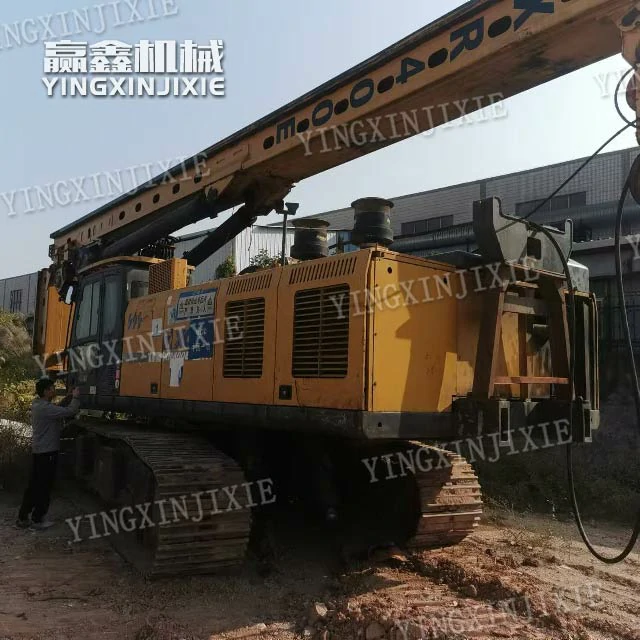
This visit breaks the gap in high-level exchanges between the two countries, promotes the upgrading of political mutual trust, directly accelerates cooperation in the fields of economy, trade, infrastructure, logistics, etc., and creates comprehensive benefits for cross-border transportation, customs clearance, and market demand of large engineering equipment such as rotary drilling rigs and pile drivers. It helps to connect the bilateral logistics links, reduce costs, and improve efficiency.
Bilateral cooperation treaties have been implemented, greatly simplifying the cross-border customs clearance process for equipment
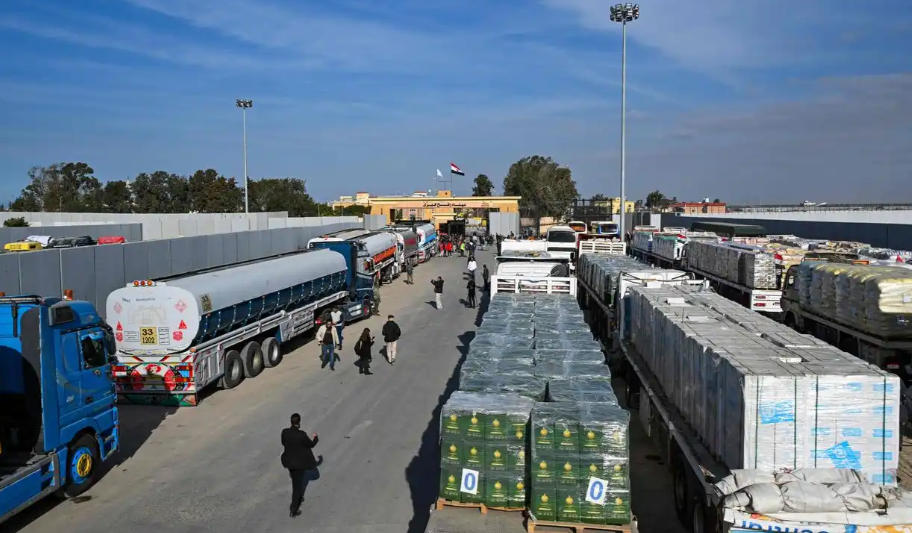
This time, the White and North Korean sides plan to sign a friendly cooperation treaty, which will streamline cross-border trade and logistics rules from a policy perspective, greatly simplifying the customs clearance, inspection, and licensing processes for large equipment. Previously, there were few high-level exchanges between the two countries, insufficient cross-border logistics coordination, and cumbersome customs clearance procedures for oversized equipment such as rotary drilling rigs and pile drivers, with long approval cycles and inconsistent inspection standards, slowing down the overall transportation pace. With the implementation of the friendly treaty, the two countries will gradually unify equipment certification standards, compress customs clearance time limits, promote a green channel for large-scale transportation, eliminate redundant approval processes, make the transit of large equipment and modular components smoother, effectively shorten port detention time, and improve cross-border circulation efficiency.
The demand for infrastructure cooperation is released, and equipment transportation orders are steadily increasing
The high-level meeting has driven the acceleration of bilateral infrastructure and livelihood engineering cooperation, directly stimulating the transportation demand for large-scale engineering equipment such as rotary drilling rigs and pile drivers. Belarus has experience in infrastructure construction and equipment maintenance, while North Korea has significant gaps in infrastructure construction, housing projects, and transportation network upgrades. The two countries have strong complementarity. Subsequent infrastructure projects, joint construction of industrial parks, and promotion of road and water conservancy projects will require a large amount of pile foundation construction equipment. This will not only drive the transportation of engineering equipment from Belarus to North Korea, but also promote cross-border transportation of related supporting components and operation and maintenance equipment, steadily increasing logistics orders for large-scale equipment on both sides and breaking away from the previous situation of insufficient supply and idle transportation capacity.
Cross border logistics links are connected, and intermodal transportation channels are becoming more stable and smooth
The upgrade of political mutual trust will promote the acceleration of the opening of land sea rail multimodal transport channels between the White and North Korea, and fill the gaps in the transportation of large equipment. Belarus, relying on its advantage as a hub in eastern Europe, can connect with North Korean railways and ports through Russian and Far Eastern ports, while North Korea can rely on ports such as Rajin to achieve land sea intermodal transportation, forming a coherent cross-border transportation route. Previously, due to insufficient bilateral cooperation, the transportation of large equipment often required multiple transfers and complicated links. In the future, the two countries will strengthen the coordination of railway and port transportation capacity, optimize heavy-duty transportation routes, adapt to the transportation requirements of oversized items such as rotary drilling rigs and pile drivers, reduce transfer inversion, lower equipment collision losses, and make cross-border transportation more stable and efficient throughout the entire process.
Logistics costs continue to drop, making bilateral equipment trade more competitive
The dual efforts of policy coordination and link optimization will effectively reduce the comprehensive cost of cross-border transportation of large equipment. Simplifying customs clearance reduces hidden expenses such as demurrage fees and storage fees, opening up intermodal channels shortens transportation distances, reduces fuel and transit costs, and bilateral trade facilitation measures will further dilute logistics costs. For high-value and large volume equipment such as rotary drilling rigs and pile drivers, the reduction in logistics costs can not only improve the cost-effectiveness of Belarusian engineering equipment entering the North Korean market, but also help control expenses for infrastructure projects in both countries, making bilateral large-scale equipment trade more competitive in the market and promoting sustained cooperation.
Significant reduction in compliance risks and greater stability in logistics operations
The signing of the friendly cooperation treaty between the two countries has strengthened the political guarantee for cross-border logistics and significantly reduced the geopolitical and compliance risks of large-scale equipment transportation. Previously, bilateral economic and trade logistics were greatly affected by external environment and policy changes, and transportation plans were easily disrupted, resulting in insufficient operational stability. With the institutionalization of bilateral relations and the normalization of cooperation, the policy environment for the transportation of large equipment is more stable, and the allocation of transportation capacity, route planning, and cycle prediction are more guaranteed. Logistics companies can rest assured to layout dedicated line transportation capacity and optimize transportation plans, without worrying about the risk of sudden policy changes causing delays and pressure, ensuring that equipment such as rotary drilling rigs and pile drivers are delivered to project sites on time.