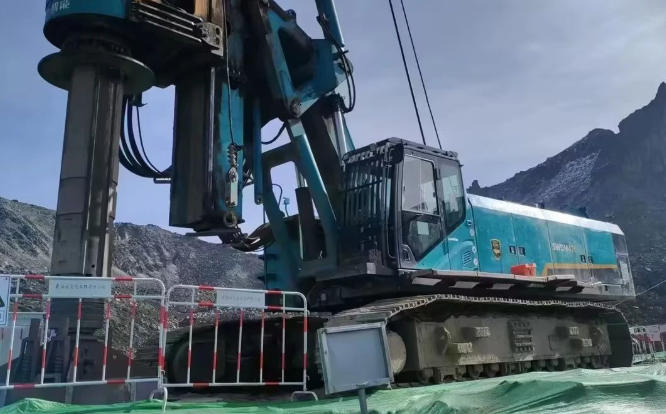


The Mecca Agreement reshapes the Gulf security landscape and enables the steady‑ordered development of logistics for large‑scale construction equipment
Release time: 2026-08-13
Upgrading the Regional Security System to Solidify the Navigation‑Safety Foundation for Oversized‑Cargo Logistics
Following the signing of the Mecca Joint Defence Agreement by Saudi Arabia, Türkiye and Pakistan, the Middle Eastern Gulf region has officially embraced a new model for independent regional security coordination. This has put an end to the old‑state predicament of over‑reliance on external security forces and frequent unrest. The collective‑defence mechanism stipulated under the agreement acts as a strong deterrent against regional destabilising forces. It has alleviated shipping crises triggered by US‑Iran rivalry and Houthi militant harassment, and greatly improved safety conditions along vital waterways including the Strait of Hormuz and the Bab‑el‑Mandeb Strait.
For bulky heavy‑duty construction machinery such as rotary drilling rigs and pile drivers, which feature large dimensions, lengthy transit schedules and non‑stop shipment requirements, navigational safety constitutes the fundamental prerequisite of logistical support. Unlike ordinary commodities, these oversized machines cannot be rapidly rerouted to evade hazards. Waterway blockades and armed assaults are very likely to cause equipment damage, shipment halts and construction‑schedule delays. The newly‑established joint‑defence framework enables routine safety administration over key Gulf shipping lanes, cuts maritime transportation risks and sets up a reliable safety barrier for the trans‑oceanic delivery of large‑scale engineering machinery. It delivers fully‑controllable and trouble‑free logistics services.
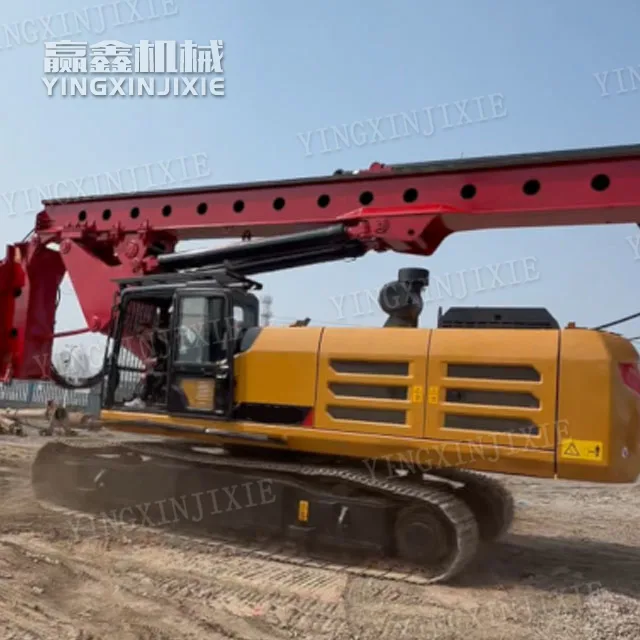
Improved Waterway Access Efficiency to Cut Cycle‑Time and Costs for Oversized Machinery Shipments
In the past, regional conflicts frequently caused embargoes, traffic restrictions and forced detours on critical Gulf shipping routes. Shipping throughput through the Bab‑el‑Mandeb Strait and the Strait of Hormuz fluctuated sharply. Haulage for heavy‑duty equipment had to take lengthy alternative sea lanes, extending transit durations and raising comprehensive expenditure on fuel, seafaring services and manpower.
Rotary drilling rigs, pile drivers and other custom‑built heavy machinery come with strict client requirements on delivery timelines and project progress. Shipping holdups may trigger a chain of setbacks such as construction‑site shutdowns, project postponement and extra equipment‑maintenance losses. After the Mecca Agreement took effect, participating states removed shipping bottlenecks, unclogged core marine passages and stabilised port operation orders across the Gulf, putting an end to chronic maritime congestion and volatile routes. Thanks to the dependable and unobstructed shipping network, heavy‑duty engineering equipment can travel via the optimal direct‑access sea route without unnecessary detours. Ocean‑going transit periods are shortened, time‑related and monetary expenses of oversized‑cargo logistics are reduced, helping clients lower costs and boost operational efficiency.
Deeper Regional Logistics Cooperation to Optimise the Cross‑border Circulation System for Oversized Machinery
The Mecca Agreement has extended Gulf‑based security cooperation to comprehensive collaboration covering economy, trade and logistics. Leveraging geographical and industrial strengths, Saudi Arabia, Türkiye and Pakistan have built a regional partnership network spanning the Middle East and South Asia. Surrounding Gulf nations have also strengthened logistical ties and kept upgrading port infrastructure and customs‑clearance workflows.
Large‑scale construction machinery counts as over‑dimensioned special freight. Its cross‑border shipment entails complicated workflows including customs filings, port loading‑unloading and overland transshipment, which impose high standards on local logistical infrastructure. The Gulf states are carrying out port renovations, logistics‑park construction and streamlined customs procedures. Specialised loading‑handling, warehousing and transit services tailored for rotary drilling rigs, pile drivers and other oversized goods keep maturing. The integrated regional logistics network has removed roadblocks hindering cross‑border machinery transportation, achieved seamless coordination among sea transport, land carriage and port operations, and enhanced the efficiency and professionalism of transnational shipments for heavy‑duty gear.
Easing Geopolitical Risks to Secure Stable End‑to‑End Equipment Procurement and Delivery
For a long time, unpredictable Middle‑Eastern geopolitics has represented a primary obstacle restraining cross‑border trade in global heavy‑duty construction machinery. Market participants have long worried about uncontrollable transit hazards, unreliable delivery timetables and contract breaches caused by regional turbulence.
The Mecca Agreement marks the Gulf states’ departure from the old “oil‑for‑security” model. An independently‑governed and multi‑party coordinated regional security architecture has taken shape, which defuses logistics risks stemming from outside‑power intervention and sudden regional clashes. Machinery purchasers are freed from major concerns regarding international procurement. Whether rotary drilling rigs and pile drivers exported to the Middle East or heavy‑duty equipment deployed between regions, deals can be finalised securely, shipments arranged on schedule and goods delivered punctually. Incidents of machinery detention, damage and contractual default due to geopolitical unrest are avoided, thereby safeguarding buyers’ interests and steady project advancement.
Optimised Industrial Environment for Sustained Prosperity in Heavy‑Duty‑Machinery Trade
Numerous Middle‑Eastern nations are pressing ahead with infrastructure upgrades, urban renewal and energy‑sector projects, which fuels rising market demand for foundational construction equipment including rotary drilling rigs and pile drivers. The safe, stable shipping environment brought by the Mecca Agreement supplies long‑term backing for local infrastructure industries and heavy‑equipment commerce.
A secure business and logistics climate attracts more cross‑border infrastructure‑cooperation initiatives and promotes regular, large‑volume trade in heavy‑duty construction machines. Ongoing improvements to the regional security‑cooperation framework will drive standardised and refined logistics services. Bespoke logistics plans and safety protocols for oversized cargo will become increasingly sophisticated. Customers will gain access to dependable, high‑efficiency and worry‑free end‑to‑end logistics support, supporting stable growth for transnational heavy‑machinery commerce and global infrastructure‑building industries.