


Strait Shipping Under Pressure amid Restructured Fuel Landscape, Cross-border Logistics of Large Pile Foundation Equipment Faces Ripple Changes
Release time: 2026-05-11
The disturbance of the Strait of Hormuz continues to weaken the resilience of the global fuel supply chain
The ongoing tension in the Middle East has led to the obstruction of shipping through the Strait of Hormuz, increasing the risk of international crude oil transportation routes and causing profound changes in the global fuel supply pattern. Due to the withdrawal of domestic refining capacity and insufficient domestic fuel reserve facilities, New Zealand’s crude oil reserves are highly dependent on overseas layout, and a large amount is retained in the form of virtual ticket contracts, with a relatively low proportion of physical reserves. Against the backdrop of potential restrictions on key shipping channels at any time, international fuel price fluctuations have intensified and fuel supply stability has decreased. Large oversized engineering equipment such as rotary drilling rigs and pile drivers rely entirely on ocean going heavy lifting vessels and large special ships for transoceanic transportation. The ships themselves have a huge fuel consumption volume and are highly sensitive to oil price fluctuations and fuel supply stability, directly impacting logistics costs and shipping schedule stability.
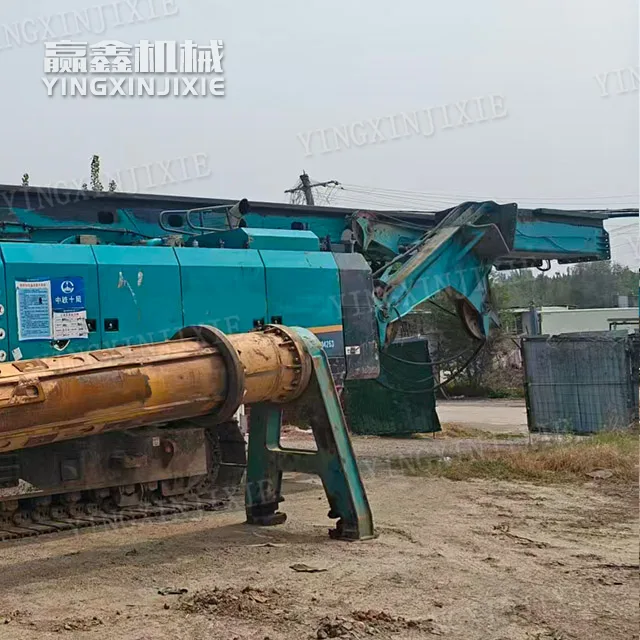
The relocation of fuel reserves is heating up, and the operating costs of large-scale ocean shipping are rigidly increasing
To avoid the risk of waterway supply disruptions, countries such as New Zealand are planning to establish overseas physical fuel reserve bases in Singapore, Malaysia, and other places, accelerating the concentration of global fuel storage and supply nodes towards Southeast Asian hubs. The restructuring of the fuel supply pattern has led to synchronous adjustments in refueling ports and supply rates during long-distance shipping routes, forcing the re planning of supply routes for large vessels, increasing the number of detours and stops, and lengthening the sailing mileage. The rotary drilling rig and pile driver have a large volume and cannot be disassembled for transportation. They can only rely on professional heavy lift ships for whole cabin transportation, and cannot share the additional fuel surcharges and docking costs through cargo consolidation. They can only fully bear the logistics premium caused by rising oil prices and route detours, and the profit margin of engineering machinery foreign trade enterprises going abroad is continuously compressed.
The virtual reserve mode poses hidden dangers and increases the risk of fulfilling large logistics shipping schedules
More than half of New Zealand’s crude oil reserves use virtual reserves in the form of certificates, without controlling physical spot goods, and rely entirely on cooperative partners to fulfill their supply obligations. Once the Strait of Hormuz becomes congested for a long time and the geopolitical situation escalates, fuel supply contracts are prone to delays in performance, quota reductions, and other issues, directly affecting the pace of international shipping fuel supply. Shipping companies have generally tightened their route allocation and reduced long-distance flights to avoid the risk of supply disruptions. Large equipment bookings have been reduced, and shipping schedules have been extended. Export orders for rotary drilling rigs and pile drivers are often accompanied by project schedule requirements, and delays in shipping schedules will directly result in equipment not being able to arrive at the port on time. Overseas pile foundation projects will also be delayed, leading to chain operation risks such as schedule breaches and on-site delays.
Shortcomings in local reserves are highlighted, and regional airline freight rates are fluctuating more frequently
After the closure of local refineries in New Zealand, the domestic fuel storage capacity is severely insufficient, and the existing gasoline and diesel reserves can only meet short-term essential needs, with weak resilience to international energy fluctuations. Countries and regions with weak energy reserves are more prone to rapid fluctuations in shipping fuel supply prices due to random news, leading to frequent fluctuations in regional shipping rates. The cross-border logistics of large engineering equipment has a long transportation cycle and contract period, and the significant fluctuations in freight rates make it difficult for foreign trade and logistics enterprises to lock in long-term costs. This increases the difficulty of quoting and the caution of accepting orders, which is not conducive to the stable shipment of rotary drilling rigs and pile drivers in overseas markets.
Southeast Asia has become a fuel hub, and the layout of large logistics routes has undergone new adjustments
With countries such as New Zealand expanding their overseas fuel reserves to Singapore and Malaysia, Southeast Asia has gradually grown into an important fuel storage and supply center in the Asia Pacific region. Shipping companies are optimizing their route networks and using Southeast Asian ports as the main supply and transit points for large vessels. The proportion of large transportation routes such as China Europe, China Australia, and China Singapore transiting through Southeast Asia has significantly increased. The cross-border logistics of rotary drilling rigs and pile drivers have adjusted their transportation routes accordingly, relying on Southeast Asia’s well-established port lifting, large cargo stacking, and customs clearance supporting capabilities to achieve transit diversion. This not only avoids high-risk routes in the Strait of Hormuz, but also relies on stable fuel supply to ensure timely navigation, gradually forming a new normalized large cargo logistics channel.
Industry hedging strategy upgrade, equipment logistics shift to diversified stable supply mode
Faced with multiple variables such as blocked waterways, fluctuations in oil prices, and restructuring of fuel reserve patterns, the foreign trade and large-scale logistics industries of construction machinery have proactively adjusted their business strategies. Enterprises lock in long-term shipping contracts in advance to stabilize short-term fluctuations in fuel prices; Priority should be given to choosing safe routes that circumnavigate the Indian Ocean and Southeast Asia to avoid risks in sensitive straits; At the same time, increase the proportion of China Europe freight trains and cross-border land multimodal transport to alleviate the pressure of ocean shipping. In terms of equipment shipment, we will promote modular split transportation, adapt to more ships and port loading conditions, reduce dependence on a single route, and use diversified logistics layout to hedge energy and waterway uncertainties, ensuring stable global delivery of rotary drilling rigs and pile drivers.