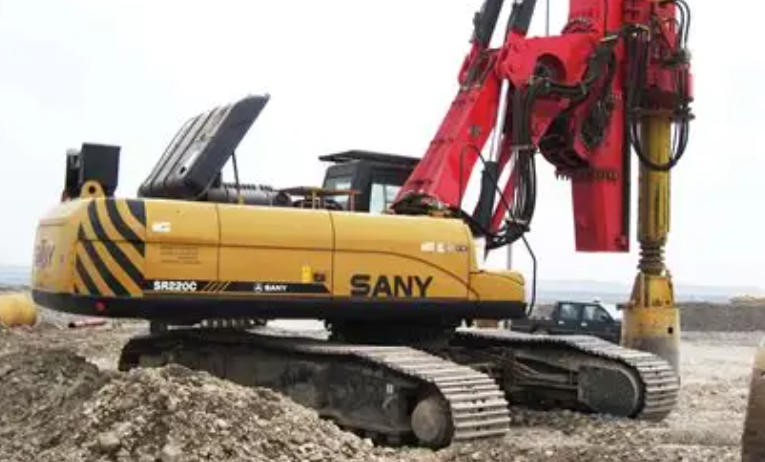


Ten years after Brexit, UK-EU relations hit a turning point and the landscape of cross-border European logistics for large foundation components is reshaped
Release time: 2026-06-23
It has been ten years since the Brexit referendum in the UK, and the public opinion to return to the EU continues to heat up. The barriers to trade, customs clearance, and personnel exchanges between the UK and Europe are expected to ease, but the institutional gap and regulatory differences between the two sides still objectively exist. The trade fragmentation caused by Brexit in the past decade has had a long-term impact on the dual track large cargo logistics channels between China and Europe to the UK and the European continent, causing sustained effects on the transportation of oversized pile foundation equipment such as rotary drilling rigs and pile drivers. The current signal of a warming bilateral relationship also brings repair opportunities for large cargo logistics in the European direction.
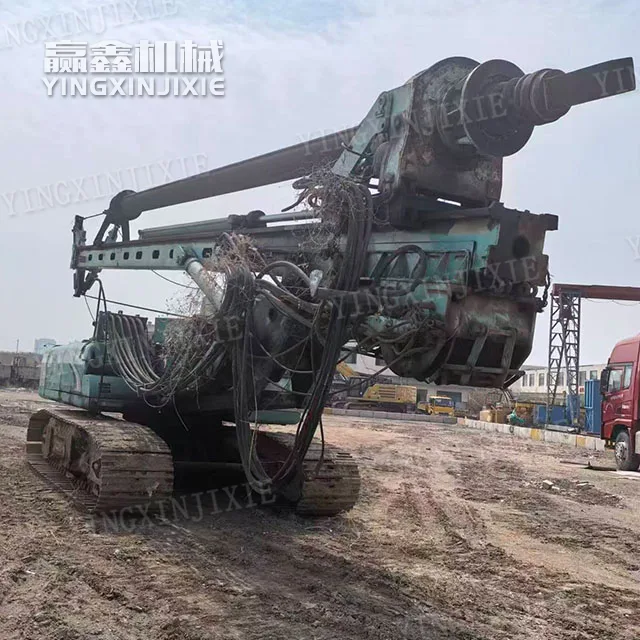
The trade barriers left over from Brexit have long hindered the cross-border clearance of large equipment between the UK and Europe
Brexit completely cuts off the UK’s connection with the EU’s single market and customs union. Over the past decade, an independent customs inspection system has been established at the UK EU border, and pain points for the clearance of large special оборудование have always existed. Rotary drilling rigs and pile drivers belong to ultra-high and overweight construction machinery that cannot be disassembled. The documentation is cumbersome and the inspection process is complex. After Brexit, the equipment travels between the UK and the EU inland, requiring dual customs declaration and independent inspection. The customs clearance time is doubled compared to before Brexit. Frequent port inspections and document verification have led to frequent delays in the transportation of pile foundation equipment, resulting in high demurrage and storage fees, significantly increasing the comprehensive logistics costs of inland transportation in the European region.
The UK economy continues to be weak, and the overall demand for European pile foundation equipment imports is shrinking
The decade of Brexit has dragged down the growth of the UK economy, with shrinking trade, widening employment gap, and insufficient momentum for infrastructure investment. The construction of local municipal infrastructure, transportation pile foundations, and new energy infrastructure projects in the UK continues to decline. Domestic construction companies are reducing their оборудование procurement budgets, and orders for domestic rotary drilling rigs and pile drivers exported to the UK continue to decline. At the same time, the cost of trade between the UK and Europe has risen, and infrastructure owners on the European continent have reduced their purchases of local equipment in the UK. The circulation of two-way engineering equipment has declined, and the overall supply of large cargo from Asia Europe routes to Europe has been weak. The utilization rate of heavy lift vessel space has been consistently low.
The warming of UK EU relations releases positive news, and the efficiency of border logistics has entered a window of repair
At present, the public opinion for the UK to return to the EU is high, and high-level meetings between the UK and the EU are frequent. The trade restrictions on food and industrial products are gradually relaxed, the bilateral compliance review process is simplified, and there is a marginal improvement in the logistics of large items. In the future, gradually unifying the entry standards for construction machinery and simplifying the repeated inspection process for special equipment can effectively shorten the customs clearance time for буровые установки роторного типа and pile drivers, and reduce ineffective detention in port areas. The cooling of economic and trade frictions between the UK and Europe can also stabilize confidence in infrastructure investment in the European market, gradually rebound demand for engineering equipment procurement, and drive the steady recovery of large-scale sea freight sources in the European direction.
The threshold for returning to the EU is extremely high, and large logistics still need to maintain a dual line hedging layout
Although the willingness for cooperation between the UK and the EU has increased, the EU has made it clear that the UK’s return to the EU does not have special exemption privileges and requires comprehensive alignment with EU currency, border, and trade rules. It is difficult for the UK to rejoin the EU in the short term. The two systems of customs and two sets of trade regulatory rules between the UK and Europe will continue to coexist for a long time, and it is not realistic to completely eliminate customs barriers. The logistics industry still maintains a split line operation mode, developing exclusive transportation and customs clearance plans for trips to the European Union and the UK, while combining with the pressure of China Europe freight trains to divert land and sea transportation, continuously offsetting the logistics uncertainty caused by the separation of the UK and EU systems, and ensuring stable delivery of pile foundation equipment.