

Резкое падение цен на сырьевые товары влечёт за собой многочисленные изменения в глобальной морской логистике крупной строительной техники.
Дата выпуска: 25.06.2026
Geopolitical risks have cooled down, and the stability of maritime routes has greatly improved
The core cause of the current sharp drop in international oil prices is the easing of geopolitical risks in the Strait of Hormuz and the comprehensive restoration of order in the Middle East shipping channel, which directly benefits the ocean shipping of overweight, ultra-high and large engineering equipment such as rotary drilling rigs and pile drivers. Large engineering equipment belongs to the category of special cargo that cannot be flexibly diverted like ordinary container cargo. During the escalation of geopolitical conflicts in the Middle East, many shipping companies were forced to adjust their routes, increase escort costs, and extend the ocean transportation cycle in order to avoid shipping risks in the strait. Nowadays, the situation of cross-strait passage has improved, and long-distance routes such as the Cape of Good Hope in Africa are no longer required for ocean going special bulk carriers and heavy lift ships. Direct routes to the Middle East, Europe, and North Africa markets have returned to normal, and the sailing time of large equipment sea transportation has been effectively shortened. The uncertainty risk of the route has been completely reduced, and the stability of cross-border large cargo logistics has been significantly enhanced.

Crude oil prices are declining, and the cost of shipping large equipment by sea continues to drop
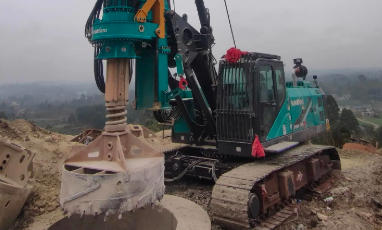
New York crude oil and Brent crude oil both fell sharply, directly reducing the core operating costs of global shipping vessels. For heavy lift ships and semi submersible ships that focus on transporting large equipment, fuel costs account for more than 40% of the total operating costs of ships. The daily decline in oil prices this time is close to 4%, which will quickly transmit to the shipping rate system in the short term. Роторные буровые установки and pile drivers can weigh tens to hundreds of tons per unit, and are often transported by sea using a single heavy lift mode, without the cost sharing advantage of containers. Fuel surcharges are an important component of logistics costs. With the continuous decline in oil prices, major shipping companies will gradually reduce the fuel surcharge for sea transportation. The hard cost of ocean logistics for foreign trade engineering machinery export enterprises will also be reduced. The overall cost of cross-border sea transportation for a single large pile foundation equipment is expected to decrease by 5% -8%, easing the logistics cost pressure on equipment export enterprises.
The sharp decline in precious metals combined with the strengthening of the US dollar has led to a change in the pace of overseas equipment procurement and logistics orders
The significant pullback in international gold and silver prices and the continued strengthening of the US dollar index, coupled with the hawkish monetary policy expectations of the Federal Reserve, have reshaped the funding situation of the global infrastructure market, indirectly affecting the overseas procurement demand and supporting logistics orders for буровые установки роторного типа and pile drivers. The sharp drop in precious metal prices indicates a cooling of global market risk aversion, with overseas infrastructure investment capital flowing back from safe haven assets to the physical infrastructure sector. In the short term, the willingness of overseas engineering contractors to purchase large pile foundation construction equipment has slightly rebounded, driving an increase in sea freight logistics orders for large equipment. However, at the same time, the expectation of the Federal Reserve raising interest rates is heating up, the US dollar is strengthening, and the actual procurement cost of Chinese made rotary drilling rigs and pile drivers for overseas buyers is rising. There is pressure to contract the demand for overseas infrastructure equipment procurement in the medium and long term, and subsequent large sea freight logistics orders may show a differentiation trend of short-term recovery and medium-term weakening.
The shipping insurance premium rate has been lowered, and the risk control cost of large-scale special logistics has been further reduced
The cooling of geopolitical conflict risks and the slowing down of commodity market volatility have simultaneously led to a reduction in global marine special cargo insurance rates. Rotary drilling rigs and pile drivers are of high value, with a single piece of equipment worth millions of yuan. They are also special large goods that are prone to collision and difficult to repair. Перевозки insurance costs have always been an important expense for large logistics. Previously, the geopolitical situation in the Middle East was tense, and the rates of war risk and all risk insurance for shipping continued to rise, which increased the additional expenses for equipment export enterprises. Now that the geopolitical risks have been released and the panic in the commodity market has subsided, shipping insurance companies have lowered the insurance premium rates for long-distance large cargo transportation, further reducing the comprehensive risk control costs of cross-border logistics for large engineering equipment, and improving the downward chain of large cargo logistics costs.
Industry outlook: Short term release of logistics dividends, enterprises need to closely monitor subsequent changes in monetary policy
Overall, the sharp drop in oil prices and precious metals this time has brought triple benefits to the global logistics of large engineering equipment such as rotary drilling rigs and pile drivers in the short term, including cost reduction, stable shipping routes, and reduced insurance prices, effectively boosting the prosperity of the construction machinery foreign trade logistics industry. However, the core variables in the market still focus on the direction of the Federal Reserve’s monetary policy. If the Fed releases a signal of interest rate hikes as scheduled, the tightening of global liquidity will suppress the urgent demand for overseas infrastructure investment, ultimately dragging down the demand for large equipment logistics. For engineering machinery export and large-scale logistics enterprises, they need to seize the short-term logistics cost dividend to grab overseas orders, while closely tracking the US dollar index and changes in Federal Reserve policies, and responding in advance to the logistics market changes caused by medium – and long-term fluctuations in overseas demand.