


Практическое руководство по строительству буровых установок роторного типа в дождливый сезон: анализ основных технических аспектов гидроизоляции, противоскольжения и предотвращения обрушения скважины.
Release time: 2026-05-08
The rainy season is a high-risk period for pile foundation construction, with high temperatures and heavy rainfall, concentrated precipitation, sudden increase in soil moisture content, muddy and slippery sites, which can easily lead to equipment failures of rotary drilling rigs, construction safety accidents, and drilling quality problems. As the core equipment for pile foundation drilling, the rotary drilling rig operates in muddy conditions outdoors for a long time. The hydraulic system, electronic control components, and drilling tools are susceptible to rainwater erosion, and the wet and slippery site can easily cause equipment to slide and tilt. The softening of the soil on the hole wall can lead to major hidden dangers such as hole collapse and buried drilling, directly affecting the construction progress, drilling quality, and personnel and equipment safety. Combining with the normal rainy season construction in the pile foundation construction industry, accurately mastering the three core technical points of waterproofing, anti slip, and anti collapse holes, standardizing the construction process, and strengthening prevention and control measures are the key to safe and efficient construction of rotary drilling rigs during the rainy season and ensuring the quality of pile foundation engineering.
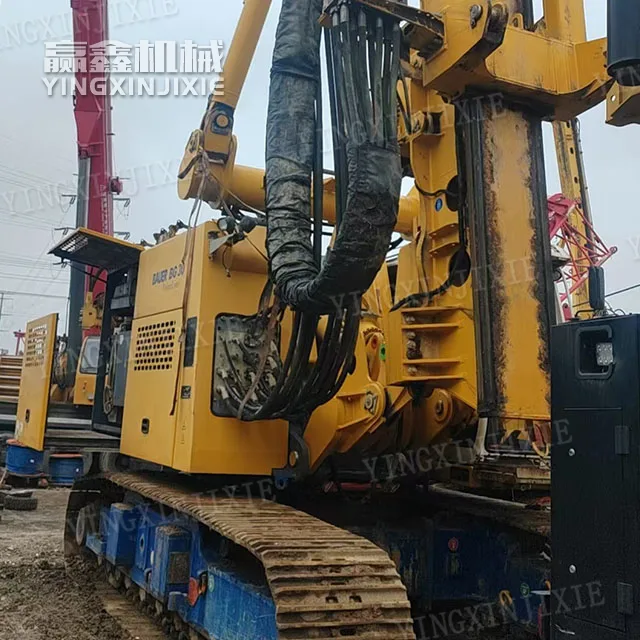
The pain points of the rainy season construction industry are highlighted, and three major hidden dangers restrict the efficient promotion of construction safety
During the rainy season construction period, frequent and intense precipitation brings multiple challenges to the construction of rotary drilling rigs, with the core pain points concentrated in the three aspects of equipment, site, and drilling. At the equipment level, rainwater is prone to seep into the hydraulic pipelines, electronic control systems, and engine air intakes of rotary drilling rigs, causing hydraulic oil leakage, circuit short circuits, engine stalling, and other malfunctions, seriously affecting the normal operation of the оборудование; At the site level, precipitation causes the construction site to be muddy and the road surface to be slippery, making it easy for the drilling rig to move and its position to slip and tip over. This significantly reduces the stability of lifting operations and can easily lead to safety accidents; At the pore forming level, rainwater washes away the hole opening and seeps into the hole, causing the soil moisture content on the hole wall to become saturated and the strength to decrease. This can easily lead to problems such as hole wall collapse, necking, and buried drilling, which not only cause construction rework but may also result in equipment damage, project delays, and increased construction costs.
Equipment waterproofing: comprehensive protection to prevent rainwater erosion from causing malfunctions
The waterproof core of the rotary drilling rig equipment during the rainy season is “anti infiltration, anti immersion, and anti short circuit”, focusing on key parts and providing comprehensive protection to ensure the normal operation of the equipment. Firstly, seal and protect the hydraulic system of the drilling rig, check whether the hydraulic pipelines and joint seals are aging or damaged, replace damaged parts in a timely manner, wrap waterproof tape around the joints, and install waterproof sheaths to prevent rainwater from infiltrating and causing hydraulic oil emulsification and pipeline corrosion; Secondly, to protect the electrical control system, waterproof covers should be installed on key parts such as the operating room, distribution box, and motor. After rain, the surface water should be cleaned up in a timely manner, and the circuit joints should be checked for moisture. If necessary, insulation protective agents should be applied to eliminate short circuits and leakage hazards; Finally, take good care of the engine and fuel protection, cover the engine with a waterproof canopy to prevent rainwater from seeping into the air inlet and exhaust pipes, regularly check the sealing of the fuel tank to prevent rainwater from mixing into the fuel and causing engine failure. At the same time, take protective measures for оборудование parking, choose a site with high terrain and smooth drainage, and avoid soaking the equipment in rainwater.
Site anti slip: standardize site management and ensure equipment stability during operation
The wet and slippery construction site during the rainy season is the main cause of lateral sliding and overturning of rotary drilling rigs. The core prevention and control measures are “the entire site, strong support, and stable movement” to build a solid safety defense line for the site. Before construction, the construction site should be leveled and compacted, and accumulated water and silt should be cleared. Gravel, steel plates, or anti-skid pads should be laid in the drilling station area and moving route to increase ground friction and avoid unstable drilling station position and sliding movement; Secondly, during the operation of the drilling rig, the slope of the station should be strictly controlled to ensure that the machine is level. It is strictly prohibited to forcibly move or lift the rig in steep slopes or muddy areas. Before operation, check the support of the буровая установка legs to ensure that they are fully extended and firmly grounded. If necessary, a cushion plate should be laid under the legs to increase the support area; Finally, after the rain, promptly investigate the water and mud accumulation on the site, handle the slippery areas in a timely manner, suspend operations under extreme wet conditions, and resume construction after the site conditions meet the standards. At the same time, strengthen safety training for operators, standardize operating procedures, and avoid safety accidents caused by illegal operations.
Drilling and anti collapse measures: scientific control to maintain the bottom line of pile foundation drilling quality
Hole collapse is the most common quality hazard in the construction of rotary drilling rigs during the rainy season. The core prevention and control strategy is to “reduce disturbance, strengthen wall protection, and quickly form holes”, and to implement precise measures based on geological conditions. For soft soil and sand layers that are prone to collapse, the drilling speed should be strictly controlled during the drilling process to avoid disturbance of the hole wall caused by rapid drilling. At the same time, mud wall protection technology should be adopted, and the mud density and viscosity should be reasonably adjusted to ensure that the mud can effectively wrap around the hole wall and prevent rainwater from infiltrating into the softened soil inside the hole; During the drilling process, timely clean up the accumulated water and floating mud at the hole opening to prevent rainwater from washing the hole opening and causing the collapse of the hole wall. Install protective rings at the hole opening to prevent large amounts of debris and rainwater from flowing into the hole; After the hole is formed, the reinforcement cage installation and concrete pouring shall be carried out in a timely manner to shorten the idle time after the hole is formed, so as to avoid the collapse of the hole wall caused by long-term exposure to rainwater immersion. In case of rainstorm, the drilling operation shall be suspended, and the hole has been covered and protected. After the rain, the hole wall condition shall be checked, and the construction shall be continued after confirming that there is no potential collapse.
Supporting prevention and control measures for rainy season construction, ensuring comprehensive construction safety and quality
In addition to the three core technical points of waterproofing, anti slip, and anti collapse holes, it is also necessary to implement supporting prevention and control measures for the construction of rotary drilling rigs during the rainy season to achieve comprehensive control. First, make meteorological early warning, pay close attention to the weather forecast, predict the rainfall intensity and duration in advance, and reasonably arrange the construction progress. Outdoor operations are strictly prohibited in rainstorm and thunder and lightning weather to avoid potential safety hazards caused by bad weather; Secondly, strengthen the daily inspection of equipment, conduct comprehensive inspections of drilling rigs before and after construction during the rainy season, focusing on key areas such as waterproofing protection, hydraulic systems, electrical control systems, and leg supports, and promptly identify and address potential hazards; The third is to standardize the management of mud. Rainwater during the rainy season can easily dilute the mud, so it is necessary to monitor the mud performance in real time, adjust the mud density and viscosity in a timely manner, and ensure the wall protection effect; The fourth is to do a good job in sorting out the drainage system, setting up drainage ditches and collection wells around the construction site and holes, timely discharging accumulated water, and avoiding various hidden dangers caused by accumulated water in the site and holes.
Practical precautions to avoid common construction misconceptions
During the rainy season, the construction of rotary drilling rigs should avoid common operational errors and ensure that technical points are implemented effectively. It is strictly prohibited to forcefully drill or illegally move the drilling rig on rainy days, in order to avoid safety accidents caused by wet and slippery site and unstable hole walls; It is strictly prohibited to ignore the waterproof protection of the equipment, and it is not allowed to operate without protection in rainy weather to avoid rainwater erosion of the core components of the equipment; It is strictly prohibited to blindly drill with unreasonable mud ratio or inadequate wall protection to avoid causing hole collapse; It is strictly prohibited to leave the hole idle for a long time after it has been formed, and to prevent the collapse of the hole wall by not pouring concrete in a timely manner. At the same time, strengthen the professional training of construction personnel, so that operators can proficiently master the key points of rainy season construction technology and emergency response methods. In case of equipment failures, hole wall collapses and other emergencies, they can quickly and standardly handle them, minimizing losses to the greatest extent possible.