

Against the deadlock in the‑U.S.‑Canada tariff game, the ocean‑shipping logistics for large‑scale engineering equipment is stabilizing and improving
Release time: 2026-08-17
Tariff Game Focuses on Industrial Goods, With Limited Direct Impact on‑Large‑Scale Construction Equipment
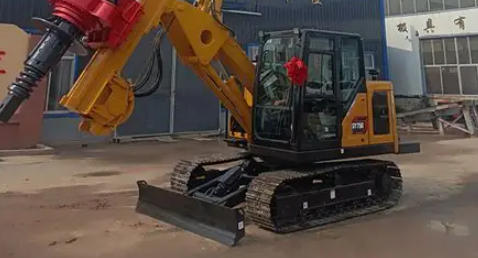
The current US‑Canada tariff dispute centers on conventional bulk commodities and consumer goods including steel, aluminum, automobiles, dairy products and alcoholic beverages. The 50%‑tariff list proposed to take effect on August 19 does not include large‑scale infrastructure construction equipment such as буровые установки роторного типа and pile drivers in its core taxation scope. As heavy‑duty industrial complete sets of equipment, these machines feature large dimensions, high added value, strong customization and low cross‑border circulation frequency, and are not among the key regulated product categories in this round of US‑Canada trade frictions. Even if bilateral negotiations reach an impasse and tariff policies are implemented, no direct tax burden will be imposed on the cross‑border transportation and customs clearance of large‑size equipment. This preserves a stable policy environment for global shipping, logistics and equipment trade, and fundamentally removes customers’ core concerns over procurement and logistics.
North‑American Industrial‑Chain Restructuring Drives Quality Upgrade of Oversized‑Cargo Logistics Systems
Sustained US‑Canada trade frictions and the looming readjustment of North America’s original integrated industrial chain are instead forcing the global heavy‑equipment logistics sector to optimize its layout and improve efficiency. Cross‑border supply chains previously deeply tied to North‑American manufacturing have experienced disruptions, pushing up logistics costs and uncertainty for trade in small‑and‑medium‑sized spare parts and finished goods within the region. This has made the market favor proven, stable global oversized‑cargo logistics corridors. Transportation for rotary drilling rigs, pile drivers and other large machines relies on specialized heavy‑lift shipping systems with independent transport standards, customs‑clearance procedures and warehousing support, insulating it from scattered regional trade barriers in North America. Meanwhile, leading logistics providers keep refining end‑to‑end services covering ocean shipping, land carriage and hoisting for ultra‑large cargo, further standardizing oversized‑item haulage, cross‑border customs declaration and full‑process traceability. The overall professionalism and reliability of logistics services have therefore improved markedly.
Optimized Market Structure and Falling Logistics Risks for Overseas Equipment Trade
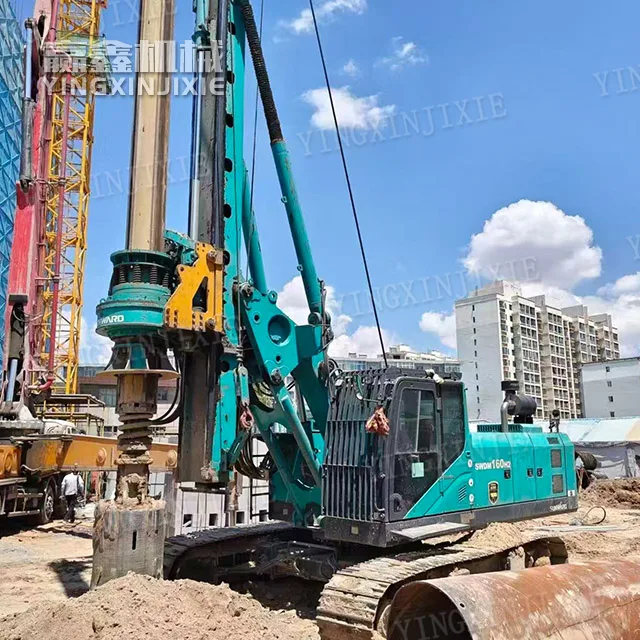
Regional trade volatility stemming from the US‑Canada tariff deadlock is further reshaping the global construction‑equipment trade landscape and mitigating risks brought by fluctuations in a single regional market. Some enterprises used to rely heavily on local North‑American equipment supply chains and were highly vulnerable to regional tariff and policy shifts. This round of trade games has made global infrastructure builders increasingly recognize the merits of internationalized, diversified procurement and logistics layouts. Home‑grown large infrastructure machines such as буровые установки роторного типа and pile drivers keep expanding overseas thanks to their cost‑performance advantages and consistent quality. Supporting cross‑border shipping routes and transport solutions have grown increasingly sophisticated, enabling full‑process door‑to‑door one‑stop logistics services. Compared with the turbulent adjustments in North‑American local supply chains, global oversized‑cargo logistics corridors deliver controllable costs, standardized workflows and predictable lead times, continuously shielding clients from logistics risks triggered by policy swings.
Rising Industry Certainty Consolidates Long‑Term Guarantees for Equipment Shipment
In the long run, the tariff standoff represents a short‑term contest over regional trade interests rather than a restructuring of the global construction‑equipment trade pattern. Large infrastructure machines are essential production inputs widely deployed in core sectors such as infrastructure building, geotechnical инженерия and pile foundation construction, underpinning highly rigid and stable market demand. Whatever the final outcome of US‑Canada negotiations may be, it will not reverse the steady growth trend of the global infrastructure sector nor dismantle the core cross‑border logistics framework for heavy equipment. The industry currently boasts mature risk‑forecasting mechanisms, which allow flexible adjustments of transport and customs‑clearance plans in response to tariff policies and trade rules across different regions. They ensure safe, on‑schedule and cost‑transparent delivery of rotary drilling rigs, pile drivers and other large‑size cargo, delivering comprehensive, reliable support for customers’ overseas procurement, equipment haulage and project execution.
Conclusion: New Opportunities Amid Changes, Steady Progress for Oversized‑Cargo Logistics
Overall, the US‑Canada tariff negotiation deadlock exerts negligible adverse impacts on ocean‑going logistics for rotary drilling rigs, pile drivers and comparable heavy‑duty machines. Instead, it accelerates industrial iteration and upgrading. Short‑term regional trade tensions will not shake the foundations of the global oversized‑cargo logistics system. Over the longer term, standardized, professional and worldwide heavy‑equipment logistics services will become the industry norm. Customers need not worry about logistics risks from policy volatility; the cross‑border shipment and trade circulation of large construction machinery will remain fully manageable, safe, reliable and on a positive trajectory.