


Dilemas e desafios do transporte marítimo e da logística para equipamentos de engenharia de grande porte em meio aos conflitos no Oriente Médio.
Release time: 2026-05-20
Shipping costs soar, putting pressure on logistics of large equipment
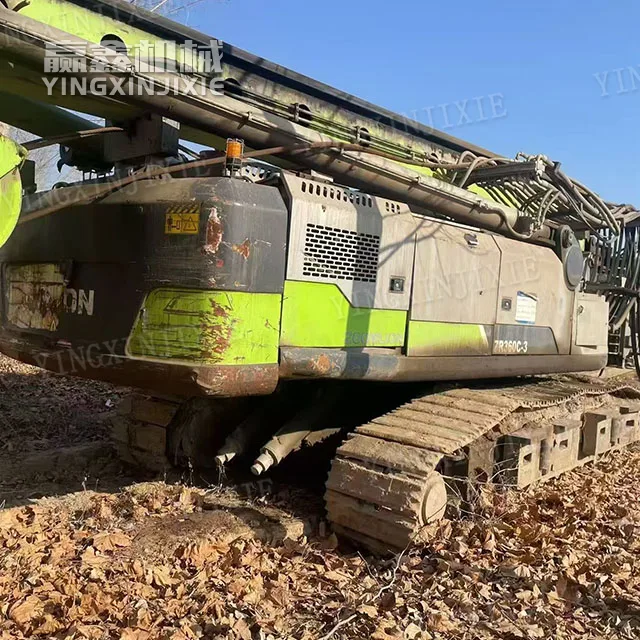
The United Nations’ “World Economic Situation and Prospects for 2026” report clearly states that the Middle East conflict has led to soaring energy prices, rising shipping and insurance costs, directly impacting the global supply chain. Large engineering equipment such as rotary drilling rigs and pile drivers, due to their large size and considerable weight, rely on ocean freight ships for transportation, and their logistics costs are particularly affected. The conflict has led to an escalation of shipping risks in the surrounding waters of the Middle East. Shipping companies have increased premiums to avoid risks, while rising energy prices have pushed up fuel costs for ships. Under the dual pressure, the shipping cost of a single large equipment has increased by more than 20% compared to before the conflict, significantly increasing the financial burden of equipment transportation.
The route disturbance has intensified, and the transportation cycle has been significantly extended
The Middle East is an important global shipping hub, with multiple core routes connecting Asia, Africa, and Europe passing through it. After the outbreak of the conflict, some shipping routes were forced to close or detour, and ships originally passing through the Suez Canal had to turn around the Cape of Good Hope, increasing their distance by thousands of nautical miles. For large equipment such as plataformas de perfuração rotativa and pile drivers that cannot be disassembled, detours not only increase navigation time, but may also cause poor port connections due to route adjustments. The original transportation cycle of about 45 days has now been generally extended to more than 60 days, seriously affecting the delivery time of engineering equipment and delaying the progress of overseas projects.
Supply chain transmission and equipment transportation support are hindered
The Middle East conflict has disrupted the global trend of “de inflation”, pushing up various production and transportation costs, and this impact has spread along the supply chain to the supporting links of large-scale equipment envio and logistics. The prices of consumables such as large lifting equipment and fixed reinforcement materials required for equipment transportation have increased, and the efficiency of port loading and unloading has decreased due to increased labor and energy costs. Some ports even experience cargo accumulation and loading and unloading delays. In addition, conflicts have led to capital outflows and rising borrowing costs in some regions, increasing the pressure on logistics companies’ cash flow and further affecting the allocation of transportation capacity for large-scale equipment. Some logistics orders have been forced to be delayed or cancelled due to funding issues.
There are significant regional differences, with West Asia and Europe being the hardest hit
The United Nations report points out that the impact of the conflict has shown significant regional imbalances, with a significant decline in economic growth in West Asia, severe damage to infrastructure, and direct disruptions to the transportation of equipamentos grandes within and around its borders. Rotary drilling rigs, pile drivers, and other equipment are widely used in engineering construction in West Asia. Conflicts have led to restrictions on local port operations, disruptions in land transportation, and difficulties in equipment entry and dispatch. At the same time, due to Europe’s high dependence on imported energy from the Middle East, logistics costs have risen more significantly. The transportation costs of engineering equipment imports in the EU and the UK have increased higher than the global average, further squeezing the profit margins of engineering companies.
The outlook is uncertain, and logistics risks remain high
The current conflict situation in the Middle East is not yet clear, the risk of global economic downturn is intensifying, and the uncertainty of large-scale equipment shipping and logistics continues to increase. The duration of energy market disruptions and the progress of restoring route safety directly affect the cost and cycle of equipment transportation. For enterprises that rely on overseas engineering, transportation delays of core equipment such as rotary drilling rigs and pile drivers may increase the risk of project default; The continuously rising logistics costs will further increase the operational pressure on enterprises, making it difficult to effectively alleviate in the short term.