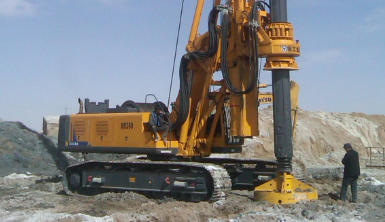


The upgrading of the strait‑shipping pattern enables the steady and controllable development of logistics for large‑scale engineering equipment.
Release time: 2026-08-13
Market Fluctuations Drive Shipping Optimisation and Mature the Risk‑Control System for Oversized‑Cargo Logistics
The latest report released by the International Energy Agency indicates that intermittent closures of the Strait of Hormuz have triggered shifts in global oil supply and demand and short‑term oil price volatility. Global petroleum inventories keep declining and the supply‑demand gap in the market has widened. This round of regional shipping turbulence has not inflicted sustained impacts on the logistics of large‑scale construction machinery such as rotary drilling rigs and pile drivers. Instead, it has forced the global shipping and logistics sector to carry out structural optimisation and upgrading.
Unlike energy‑related oil shipments that demand frequent sailings, oversized construction machinery falls under special break‑bulk cargo. It features controllable shipment frequency, flexible route planning and independent shipment priority, which insulate it from direct disruptions brought by congested energy shipping lanes and price swings. Drawing on years‑long experience in transnational heavy‑cargo haulage, the industry has built comprehensive risk prediction and emergency deployment frameworks. Pre‑emptive contingency plans are formulated in response to strait‑related developments. Multi‑layered risk barriers safeguard machinery shipments against short‑lived market turbulence.
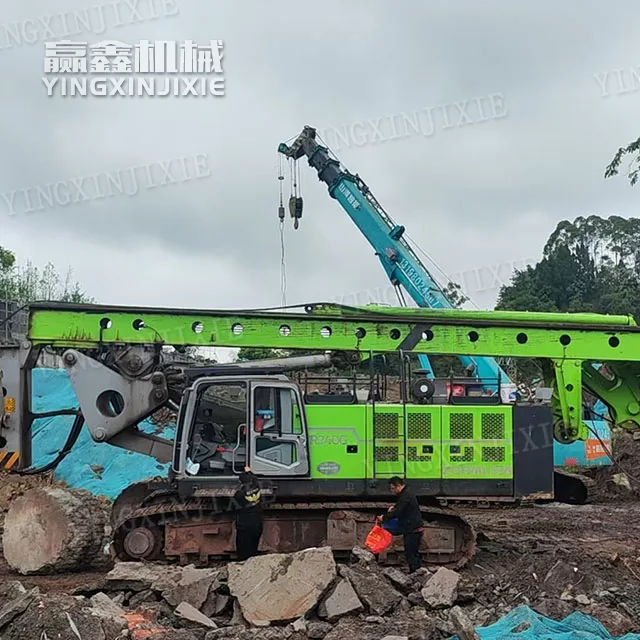
Multiple Alternative Shipping Routes Take Shape to Break Navigation Bottlenecks for Oversized Machinery
To tackle temporary navigation restrictions across the Strait of Hormuz, the Middle‑Eastern region has fully activated diversified sea lanes and land‑based transshipment networks, remedying the logistics vulnerability of over‑reliance on a single waterway. Key hub ports including the Red‑Sea port cluster developed under Saudi Vision 2030 and the United Arab Emirates’ Fujairah Port have expanded capacity and operational efficiency. They are capable of receiving ocean‑going shipments of heavy‑duty machinery without vessels traversing high‑risk straits.
Regular land‑based road‑and‑bridge transport routes are now operational. Together with established international waterways such as the Suez Canal, they form a three‑dimensional transport framework combining multiple marine passages and land backup routes. For non‑detachable, oversized منصات الحفر الدورانية and pile drivers that require dependable navigation conditions, diversified route options resolve traditional troubles including single‑lane congestion, suspended navigation and delays caused by detours. Carriers are able to select optimum transport routes dynamically according to real‑time geopolitical conditions and guarantee unobstructed whole‑journey transit.
Precise Allocation of Industrial Resources Safeguards the Bottom‑Line Delivery Schedule of Oversized Machinery
Driven by the readjustment of global oil supply and demand, shipping resources have undergone targeted redistribution. A clearer division‑of‑labour has taken shape among petroleum freight, ordinary bulk cargo and specialised oversized cargo shipments. As global oil inventory buffers shrink and energy‑transport tonnage grows tight, the shipping sector has optimised vessel deployment. Premium specialised ships for bulky cargo are prioritised for construction‑equipment transportation so as to avoid tonnage shortages and delayed sailing schedules caused by competing cargo demands.
Specialised transport vessels, exclusive port berths and professional transshipment crews assigned to foundational infrastructure machinery like منصات الحفر الدورانية and pile drivers remain on active duty. Sailing timetables stay well‑organised. Oil‑market swings will no longer trigger capacity shortages, soaring freight rates or postponed deliveries. Accurate resource allocation preserves the delivery timeline for cross‑border heavy‑equipment logistics and guarantees on‑schedule port arrival and hand‑over.
Regional Security Collaboration Consolidates Long‑Term Logistics Stability
Benefiting from the coordinated Gulf security architecture established by the Mecca Agreement, Middle‑Eastern security administration capacity keeps improving and spill‑over risks from regional conflicts have dropped sharply, delivering enduring security guarantees for maritime trade and international logistics. Member states jointly maintain order over coastal شحن, standardise port workflows and tackle navigational hazards, mitigating disruptions inflicted by geopolitical shifts on cross‑border cargo movement.
Gulf‑area logistics chains now operate in a standardised and routine‑based mode, a stark contrast against past unrest and chaotic shipping circumstances. Every procedure covering customs clearance, ocean transit and land transshipment stays orderly. Coupled with mature logistics emergency‑response systems, the secure regional setting eliminates clients’ primary worries over detained machinery, equipment damage and postponed construction work, and offers solid backing for cross‑border trade in large‑sized engineering hardware.
Resilient Infrastructure Demand Fuels Sound Development of the Oversized‑Cargo Logistics Sector
Notwithstanding cyclical adjustments within the global oil market, infrastructure upgrading accelerates across core zones including the Middle East and Southeast Asia. Urban renewal, pile‑foundation works and energy‑supporting construction projects are steadily implemented, sustaining robust rigid market demand for foundational machinery such as rotary drilling rigs and pile drivers.
Stable market requirements push the heavy‑equipment logistics industry toward continuous upgrading. Logistics carriers refine specialised transport schemes, upgrade equipment‑protection techniques and perfect cross‑border service networks. Regional governments also increase investment in port facilities and heavy‑cargo supporting infrastructure, bringing greater professionalism and efficiency to specialised loading‑and‑unloading, over‑dimensioned haulage and international customs clearance services.
Overall, the oversized‑cargo logistics industry has achieved stronger risk resistance, dependable service quality and higher‑level specialisation. It can supply safe, efficient and worry‑free one‑stop cross‑border logistics services for worldwide purchasers, with an explicit long‑term upward‑trending outlook.