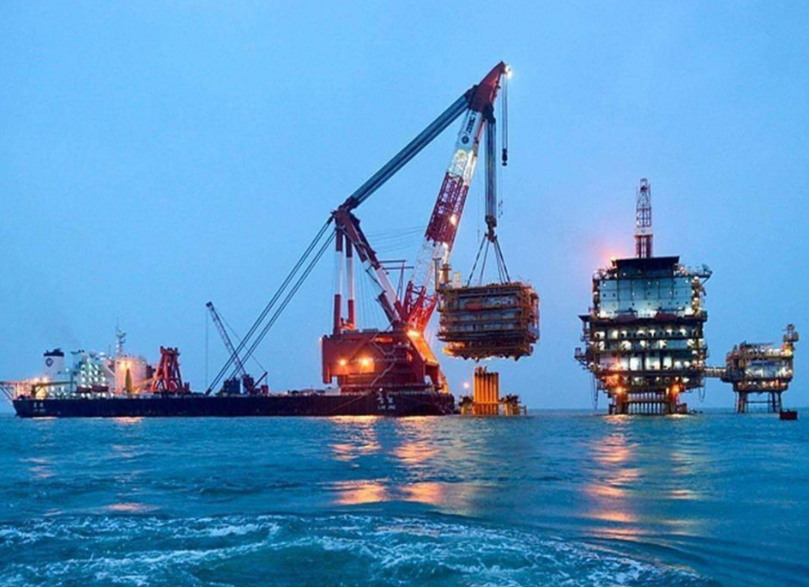


60-day free navigation policy in the Strait of Hormuz takes effect, easing geopolitical tensions to reshape the shipping landscape for large foundation components
Release time: 2026-06-24
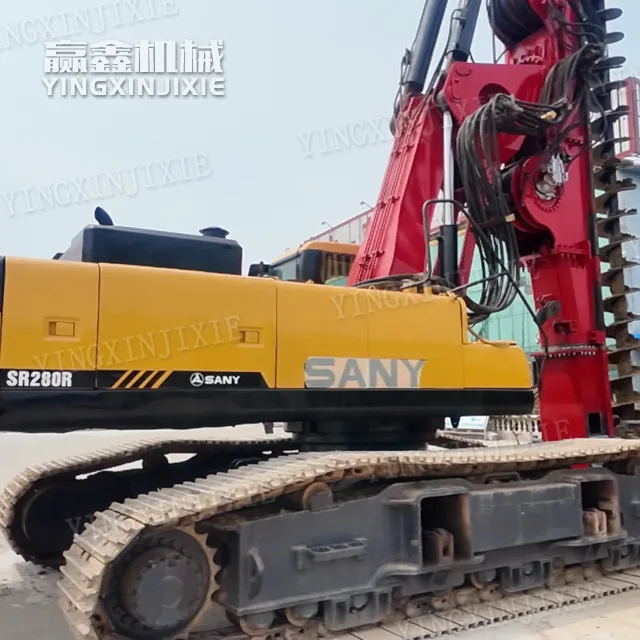
Iran has officially announced time-limited free navigation through the Strait of Hormuz and simultaneously established a special communication mechanism for Iran-US shipping lanes. Coupled with the phased progress achieved in the first round of Iran-US negotiations, uncertainty surrounding the core shipping passage in the Middle East has decreased significantly. Taking into account key developments including the US unfreezing Iran’s overseas assets and Iran’s denial of near-term nuclear inspection arrangements, geopolitical tensions in the Middle East have eased in the short term. This delivers comprehensive benefits to ocean heavy-lift cargo routes passing through the Persian Gulf, positively impacting the shipping costs, route planning and delivery timelines of non-detachable piling equipment such as rotary drilling rigs and pile drivers. Nevertheless, potential future variables still lurk within this short-term policy window.
Full Exemption of Waterway Tolls Eliminates Fixed Transit Expenses for Heavy Piling Equipment Shipping
The fully free navigation policy valid for 60 days completely scraps the previously planned strait shipping service fees, with no additional charges imposed on large special-purpose vessels. Heavy-lift ships and semi-submersible vessels transporting منصات الحفر الدورانية and pile drivers feature large hull sizes and occupy extensive waterway space, which originally incurred transit fees far higher than those for ordinary cargo ships. This policy directly waives such fixed logistics expenditures. For bulk exports of piling equipment to the Middle East and Europe, transportation costs per vessel have dropped markedly, effectively alleviating the recent strain of persistently high overall maritime shipping costs and boosting the overall profit margins of construction machinery foreign trade.
Marked De-escalation of Iran-US Tensions Drives Sustained Declines in Geopolitical Risk Premiums for Shipping
Iran and the US have concluded the first round of memorandum negotiations and set up a dedicated communication channel for waterways to rapidly address navigational emergencies, drastically cutting the risk of military conflict in Middle Eastern waters. Alongside Iran’s rejection of resuming nuclear inspections in the near term, there are no new triggers to exacerbate regional geopolitical disputes, prompting marine insurance providers to continuously slash rates for war risk surcharges covering the Persian Gulf. منصات الحفر الدورانية and pile drivers carry high cargo values and cannot be split for transshipment, rendering them long-standing high-premium shipping goods. The downgrade of risk ratings has lowered dedicated insurance costs for such equipment, delivering dual cost reductions on transit fees and insurance premiums.
Full Normalization of Direct Routes Enables More Predictable Transit Schedules for Oversized Equipment
With the full and stable opening of the entire strait, oversized special vessels no longer need to detour around the Cape of Good Hope in Africa for risk avoidance, and core direct routes from the Persian Gulf to the Mediterranean Sea and mainland Europe can be fully reinstated. Direct voyages cut maritime transit time by approximately one week compared to detour routes and drastically reduce unpredictable risks at sea. For engineering projects in urgent need of piling معدات, including Middle Eastern energy infrastructure, port expansion and renovation works, and cross-sea bridge and road construction, rotary drilling rigs and pile drivers can arrive at ports on schedule, avoiding construction site shutdowns and schedule breach penalties caused by delayed equipment deliveries, and greatly enhancing the stability of cross-border logistics performance.
Limited Policy Validity Calls for Prudent Mitigation of Long-Term Geopolitical Uncertainties
This free navigation scheme is merely a short-term policy valid for 60 days; upon its expiry, waterway navigation regulations and toll standards will entirely hinge on the outcomes of subsequent Iran-US negotiations. Furthermore, Iran and the US have only completed the initial round of basic talks, with numerous disagreements remaining over asset unfreezing, follow-up economic and trade cooperation, and nuclear issues, meaning geopolitical games have not come to a complete end. Logistics enterprises should refrain from long-term booking commitments for strait direct shipping spaces, seize the short-term policy window to arrange concentrated shipments, and retain detour routes and China-Europe multimodal transport as backup channels to smoothly cope with policy shifts after the policy expires.