

Trump exempts the Jones Act, ushering in improved quality and efficiency for the logistics of large equipment within the United States
Release time: 2026-03-19
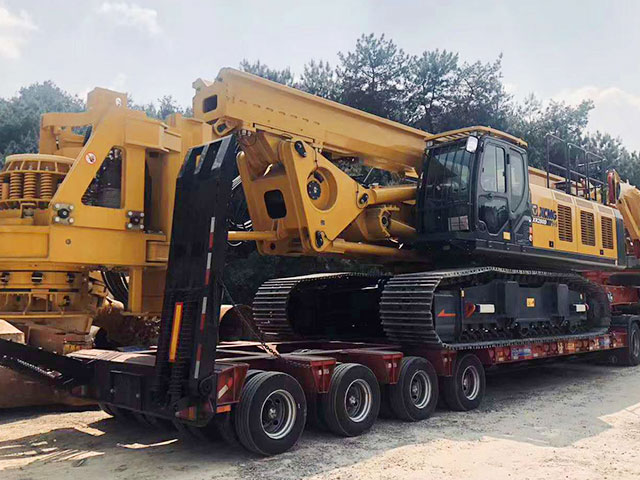
On March 18th local time, Trump authorized a 60 day temporary exemption from the Jones Act implemented in 1920, allowing foreign vessels to transport energy and commodities between US ports, in order to lower domestic energy transportation costs and offset the pressure of rising oil prices caused by the US Iran military action. This relaxation of shipping regulations not only applies to the energy sector, but also to the sea and multimodal transportation of large engineering equipment such as rotary drilling rigs and pile drivers within the United States, bringing phased benefits in terms of transportation capacity, cost, and timeliness. At the same time, it also opens up optimization space for the inland circulation of equipment after cross-border entry into the United States.
Expansion of foreign ship access, significant release of heavy equipment shipping capacity
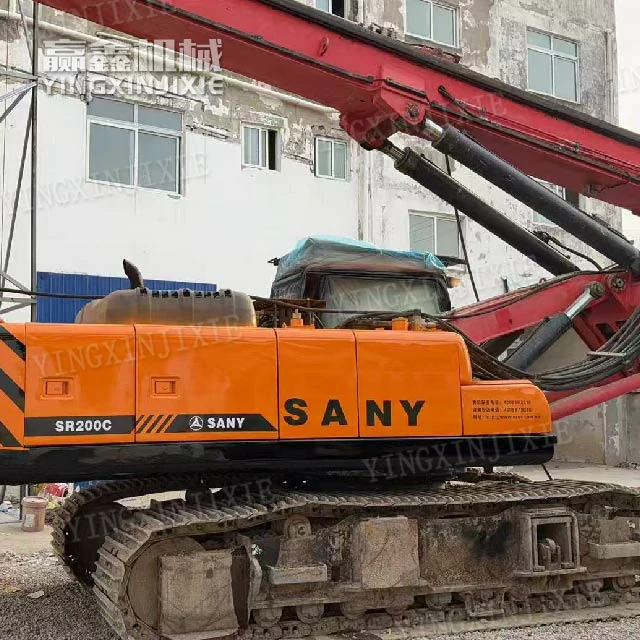
The Jones Act has long restricted the use of American made American ships for coastal and inland shipping in the United States. The limited number and high rent of such ships directly restrict the domestic shipping supply of oversized and overweight equipment such as rotary drilling rigs and pile drivers. This 60 day exemption allows foreign flag ships to participate in inter port transportation in the United States, rapidly expanding the shipping market capacity pool and easing the tight situation of large equipment shipping space. Logistics companies can flexibly choose foreign heavy lift ships and semi submersible ships that are more cost-effective and size compatible, to undertake the overall transportation of pile drivers and the separate sea transportation needs of rotary drilling rig hosts and drill rods, effectively solving the problems of booking difficulties and long waiting times caused by the shortage of American ships, and improving the sea transportation supply capacity of equipment from ports in the western United States to infrastructure sites in the Gulf of Mexico and eastern United States.
The shipping cost is declining in stages, and the logistics cost of the entire equipment chain is falling
The exemption policy breaks the monopoly of freight rates for American ships, and foreign ships participate in competition with higher operational efficiency and lower prices, promoting a decline in coastal and inland shipping rates within the United States. Rotary drilling rigs and pile drivers are mostly oversized items, and shipping costs account for a high proportion of the total domestic logistics costs. Market competition in transportation capacity directly reduces shipping expenses. At the same time, the decrease in energy transportation costs has led to a steady decline in fuel and port operating expenses, further compressing the rigid costs of transporting large equipment. For enterprises carrying out infrastructure projects in the United States, the comprehensive logistics cost of equipment from the port of entry to the construction site has significantly decreased, which helps to control the overall project expenses.
The speed of multimodal transportation connection has been accelerated, and the delivery time of equipment has been greatly improved
The Jones Act exempts and simplifies the qualifications, crew, and customs procedures for ships operating within the United States. Foreign flagged heavy lift vessels can directly dock at multiple infrastructure intensive ports in the United States without the need for transshipment with American vessels. After entering ports in the western United States such as Los Angeles and Long Beach, rotary drilling rigs and pile drivers can be transported directly to nearby ports in eastern construction sites such as Houston and Miami by foreign ships. They can then be transported over the limit by road to quickly enter the site, saving the tedious process of ship transfer and qualification review. The transportation cycle has been shortened by 3 to 7 days compared to before, effectively avoiding the impact of logistics delays on the construction progress of pile foundations on the construction site, and meeting the demand for fast equipment delivery in domestic infrastructure projects in the United States.
Short term dividends are clear, but long-term logistics layout still needs to be cautious
This exemption is only for 60 days and is a temporary measure to cope with energy price increases. After expiration, it is highly likely that the original control rules will be restored. Large equipment logistics companies such as rotary drilling rigs and pile drivers should not consider short-term convenience as a long-term trend. During the policy window period, enterprises can prioritize the domestic transportation of existing equipment and the rapid diversion of newly arrived equipment, maximizing the utilization of low-cost transportation capacity and efficient customs clearance dividends. We still need to reserve resources for cooperation with American ships in the long term, optimize the highway over limit transportation plan, and avoid capacity gaps and cost rebounds after the policy expires. At the same time, combined with the distribution of infrastructure in the United States, fixed transportation routes are planned to enhance emergency dispatch capabilities and balance short-term dividends with long-term compliance operation needs.