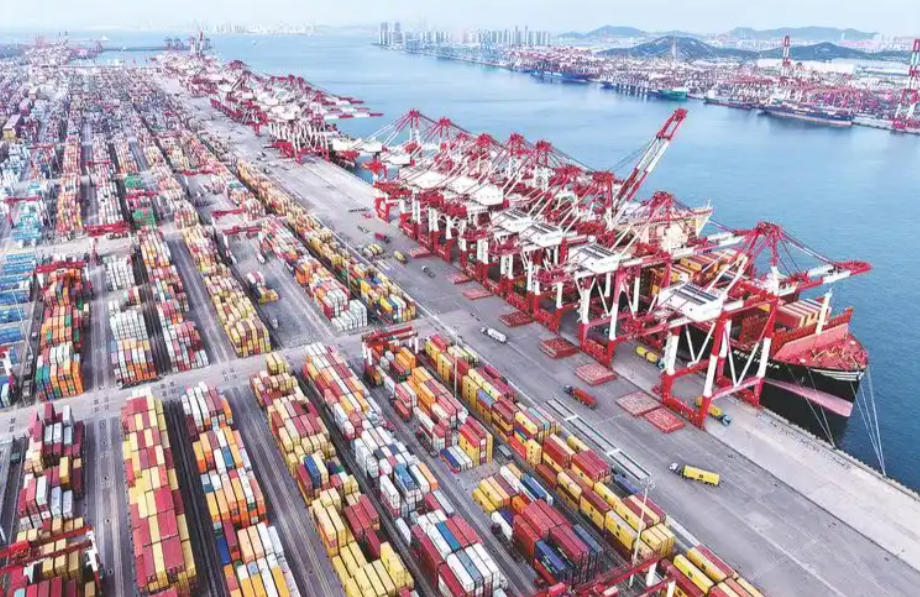


Multiple central banks reduce holdings of US bonds, global shipping and logistics of large equipment face financial disturbances
Release time: 2026-04-02
Against the background of the continuous fermentation of the Middle East conflict, many central banks significantly reduced their holdings of US treasury bond bonds. The size of the global central bank US bonds under the custody of the Federal Reserve Bank of New York plummeted to the lowest level since 2012, and since February 25, it has shrunk by $82 billion to the $2.7 trillion threshold. In response to the pressure of the strengthening US dollar and currency depreciation, central banks around the world have sold US bonds in exchange for US dollar intervention in the currency market. This financial change has directly transmitted to the global shipping system. Large engineering equipment such as rotary drilling rigs and pile drivers have suffered multiple disturbances in terms of cost, financing, and orders due to their long cross-border transportation links, large capital occupation, and dependence on US dollar settlement.
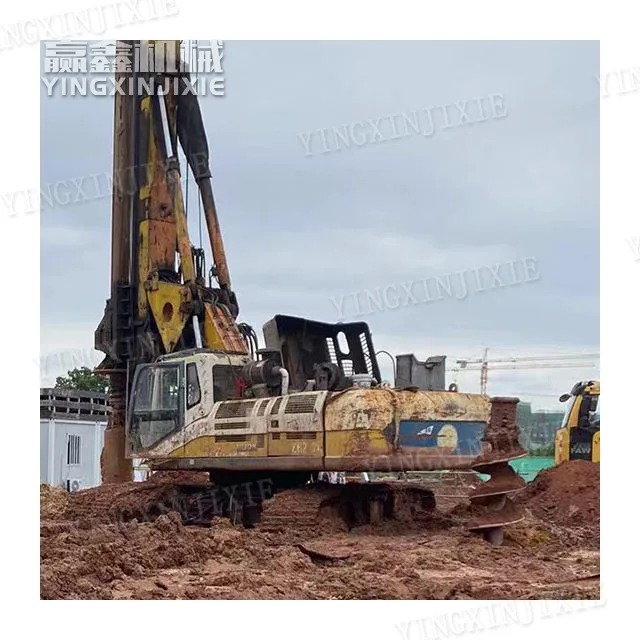
The strengthening of the US dollar has pushed up settlement costs and significantly increased equipment shipping expenses
The reduction of holdings of US Treasury bonds by multiple central banks has intensified the strengthening trend of the US dollar, while global cross-border shipping of large equipment is mostly settled in US dollars, directly pushing up the settlement costs of equipment transportation. The single unit value of rotary drilling rigs and pile drivers is high, and cross-border transportation involves large expenses such as booking fees, fuel costs, and customs clearance fees, all of which need to be paid in US dollars. The strengthening of the US dollar has led to a relative depreciation of non US dollar currencies, resulting in additional exchange losses for both equipment exporters and logistics companies when converting to US dollars. The settlement cost of a single thiết bị lớn transported across oceans has increased by 3% -5% compared to before. At the same time, the strengthening of the US dollar coupled with high oil prices caused by the Middle East conflict further amplifies cost pressures and squeezes industry profit margins.
Rising financing costs put pressure on the turnover of large logistics funds
The large-scale sell-off of US bonds has triggered a cliff like surge in US bond yields, tightening the global financing environment and directly exacerbating the capital turnover pressure of large-scale equipment shipping and logistics. Cross border shipping of thiết bị lớn requires a large amount of advance funding, and logistics companies and equipment exporters generally rely on bank loans and cross-border financing to support their operations. The rise in US bond yields has driven up global interest rates, resulting in a significant increase in corporate financing costs. In addition, shipping companies need to reserve more funds to cope with fluctuations in the US dollar and rising oil prices, resulting in longer capital recovery cycles. This has led to financial constraints on the transportation booking and capacity allocation of equipment such as rotary drilling rigs and pile drivers, and some small and medium-sized logistics enterprises have even been forced to reduce heavy load capacity.
Increased exchange rate fluctuations and decreased stability of equipment shipping orders
The reduction of holdings of US Treasury bonds by multiple central banks has triggered severe fluctuations in the global exchange rate market, significantly increasing uncertainty and leading to a decline in the stability of large equipment shipping orders. The cross-border trade cycle of equipment such as rotary drilling rigs and pile drivers is long, and it often takes several months from signing orders to completing transportation and delivery. Significant fluctuations in exchange rates can lead to losses in the profits of both buyers and sellers. Overseas buyers, in order to avoid exchange rate risks, often postpone or reduce equipment purchase orders, especially in emerging market countries. The depreciation of the local currency has led to an increase in equipment import costs, further suppressing procurement demand. Correspondingly, cross-border shipping orders have shrunk synchronously, and logistics companies’ capacity utilization has decreased.
Capital flow disturbance and imbalanced allocation of shipping capacity
The sell-off of US Treasury bonds has triggered large-scale global capital flows, impacting the capital layout of some shipping companies and leading to an imbalance in the allocation of specialized capacity for large equipment. After the central banks of multiple countries sold off US bonds, capital flowed mostly to gold, non US dollar assets, and local core industries. The capital support received by the shipping industry decreased, and some shipping companies temporarily suspended heavy load capacity deployment. The supply of heavy lift ships and semi submersible ships suitable for the transportation of rotary drilling rigs and pile drivers became tighter. At the same time, capital flows have led to the differentiation of regional shipping markets, with relatively sufficient transportation capacity in US dollar strong regions such as Europe and America, and a shortage of transportation capacity in emerging market regions, further exacerbating the imbalance of equipment transportation.
The acceleration of de dollarization and the gradual adjustment of the shipping settlement system
The reduction of holdings of US Treasury bonds by multiple central banks is essentially an acceleration of the global de dollarization process, which is driving the gradual adjustment of the settlement system for large-scale equipment shipping. In order to avoid the risk of fluctuations in the US dollar, some countries have begun to promote local currency settlement pilot projects, and the settlement methods for cross-border transportation of equipment are showing a trend of diversification. For example, China and some emerging market countries are gradually adopting RMB settlement in large-scale construction machinery trade, reducing their dependence on the US dollar and lowering exchange rate losses and risks. Although this adjustment will increase the complexity of the settlement process in the short term, it will improve the stability of equipment shipping such as rotary drilling rigs and pile drivers in the long run, and hedge against the impact of financial market fluctuations.
The industry takes the initiative to respond and build a strong risk prevention and control defense line
Faced with the financial disturbance caused by the reduction of US Treasury bonds, the large-scale equipment shipping and logistics industry actively adjusts its operational strategies and strengthens risk prevention and control. Logistics companies hedge against exchange rate and oil price fluctuations by locking in forward foreign exchange settlements and signing long-term transportation contracts; At the same time, optimize capital allocation, broaden financing channels, and alleviate the pressure of capital turnover. Equipment exporters optimize their order structure, prioritizing local currency settlement or exchange rate lock clauses to reduce losses caused by exchange rate fluctuations, while strengthening communication with overseas customers to stabilize order expectations. In addition, the industry is accelerating its digital transformation, improving the efficiency of the entire transportation chain, and reducing operating costs to cope with the long-term pressure brought by financial disturbances.