

| Power Head Torque | 250 kN/M |
| Maximum Drilling Depth | 57 M |
| Maximum Diameter | 1600 mm |
| Engine | Cum-Mins Qsl9 |
| Power | 242 Kw |
| Main Pressure | 35 MPa |
| Traction | 500 kN |
| Walking Speed | 1.5 Km/H |
| Rotational Speed | 6~28 Rpm |
| Maximum Tension of a Single Rope | 270 kN |
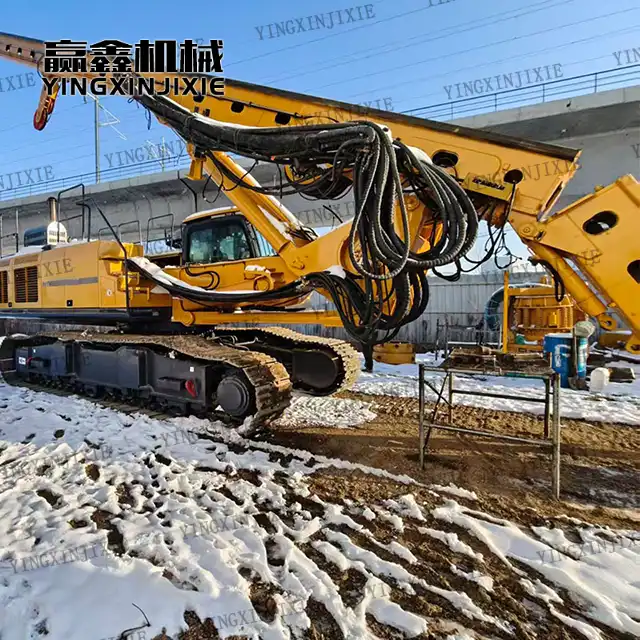
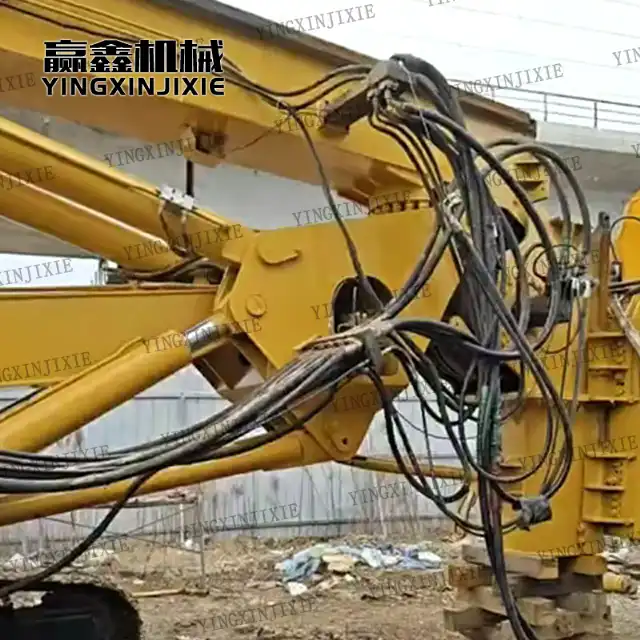
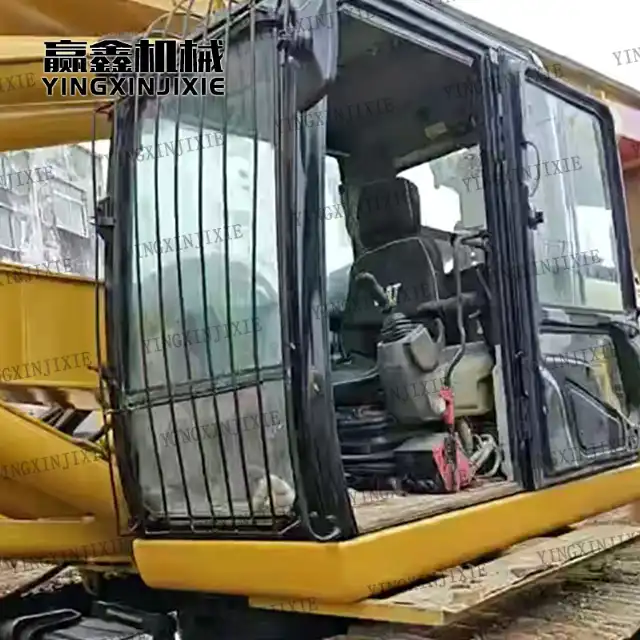
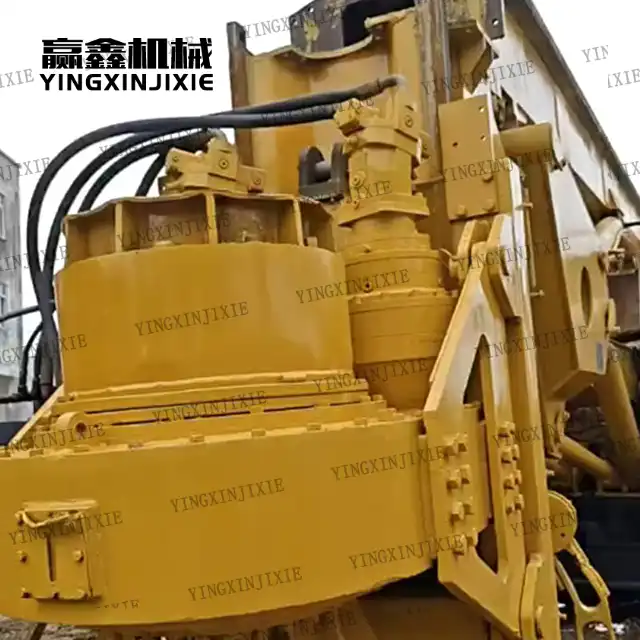
Fast dynamic response JINT SD25 Rotary Drill Rig
Description
Detailed description
Description
Strong torque and outstanding rock penetration ability
High torque of 250kN · m+full stroke compression of 250kN, high efficiency in cutting hard rocks and crushing pebble layers, stable performance in moderate rock penetration (mudstone, sandstone, moderately weathered granite).
Wide rotation speed of 8-30rpm, fast soil throwing for soft soil and low-speed high torque cutting for hard rock, with strong adaptability.
The power head is intelligently matched with pressurization, reducing drill jamming and sticking, and the drilling efficiency is 10% -15% higher than other models of the same level.Sturdy structure, high stability and reliability
Reinforced four-bar linkage+extendable chassis:
The track has a unfolded width of 4300mm, a low ground to ground ratio, strong resistance to overturning, minimal shaking of the drilling mast, and a hole verticality of ≤ 1 ‰.
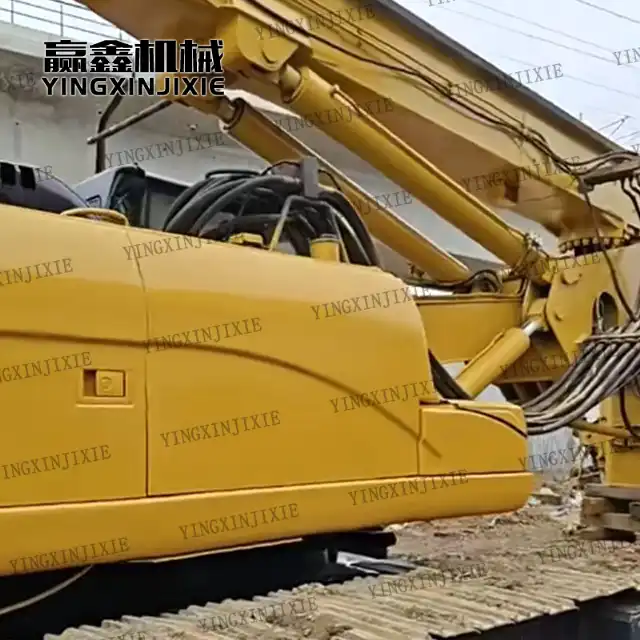
Segmented thickened drilling mast+three sided pressure plate guide rail: strong rigidity, anti torsion and anti impact, and not easily deformed under long-term heavy load.
Kawasaki high-end hydraulic components+large modulus rotary reducer: The core components have high reliability, few failures, and long maintenance cycles.
Centralized automatic lubrication+single row rope winch: reduces manual maintenance and increases the lifespan of steel wire ropes by 2-4 times.
Intelligent control, precise and safe
Paifen electronic control+10 inch touch screen: real-time display of hole depth, verticality, fuel consumption, fault codes, one click vertical adjustment, intelligent drilling, easy for beginners to learn.
360 ° panoramic monitoring+multiple safety protections: blind spot visibility, collision prevention, overload prevention, and overturning prevention, making construction safer.
Remote monitoring: supports device positioning, labor/fuel consumption statistics, and efficient fleet management.
You may be interested in
Related Products
We specialize in the sales of high-quality used excavators and other construction machinery, as well as providing comprehensive spare parts supply.-
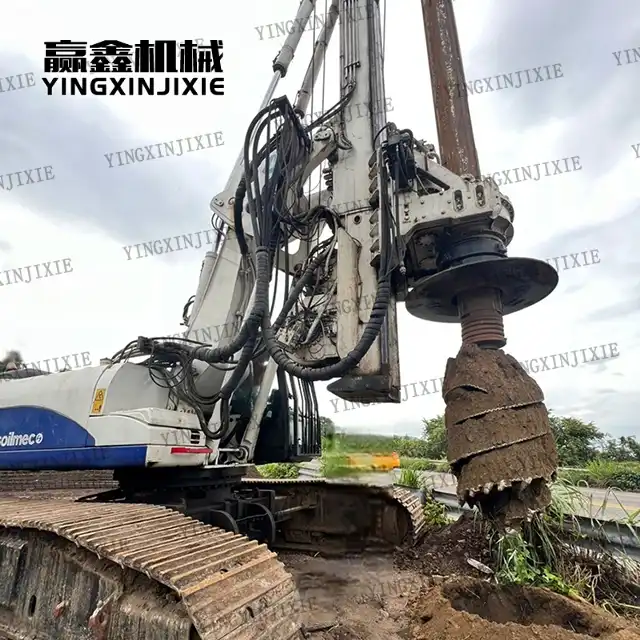
Precision manufactured Solimec Sr60 Rotary Drill Rig
-
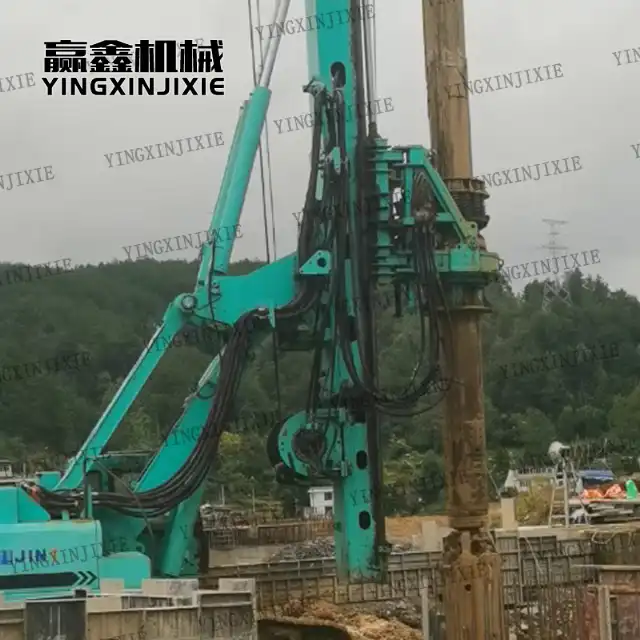
Precise alignment with holes JINT SD28 Rotary drilling rig
-
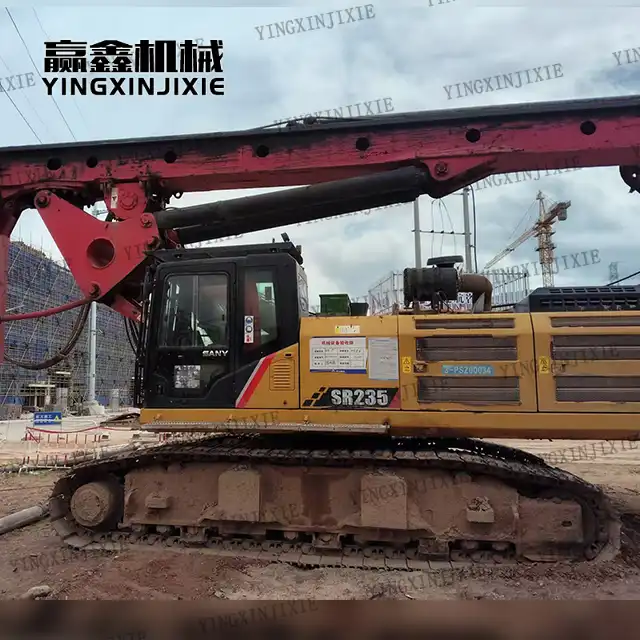
Rotary Drilling Rig SANY Sr235 Stable performance operation
-
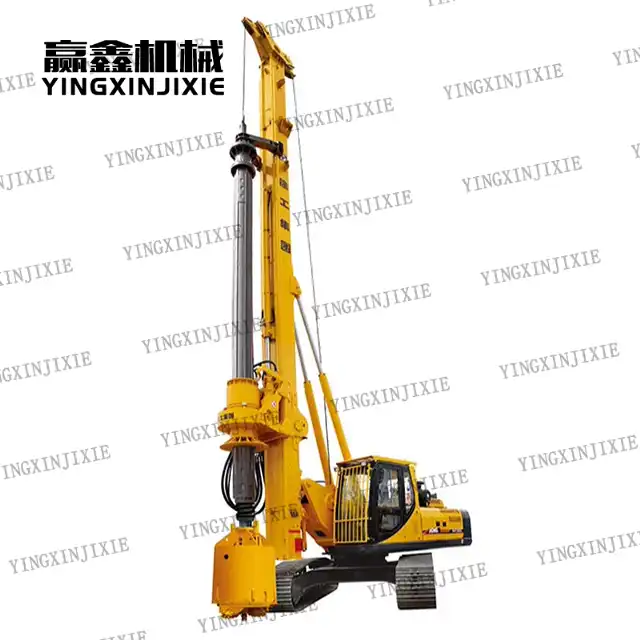
Rotary Drilling Rig XCMG Xr320 Precision manufactured
-
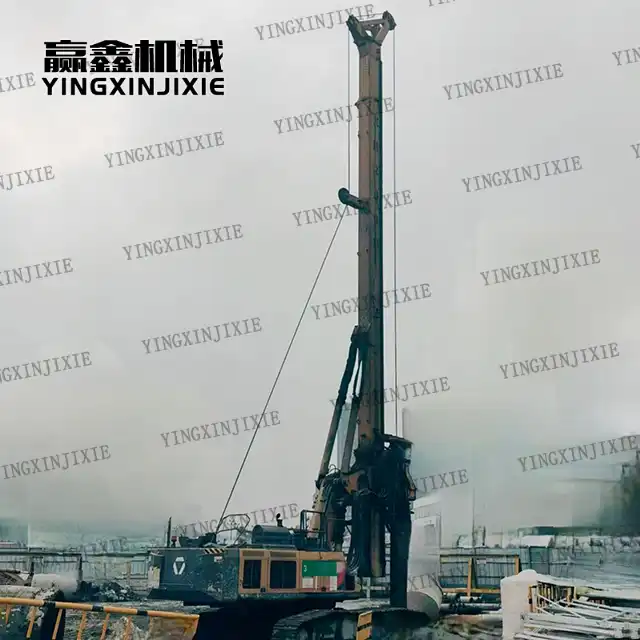
Structural reinforcement XCMG Xr280 Rotary Drilling Rig
-
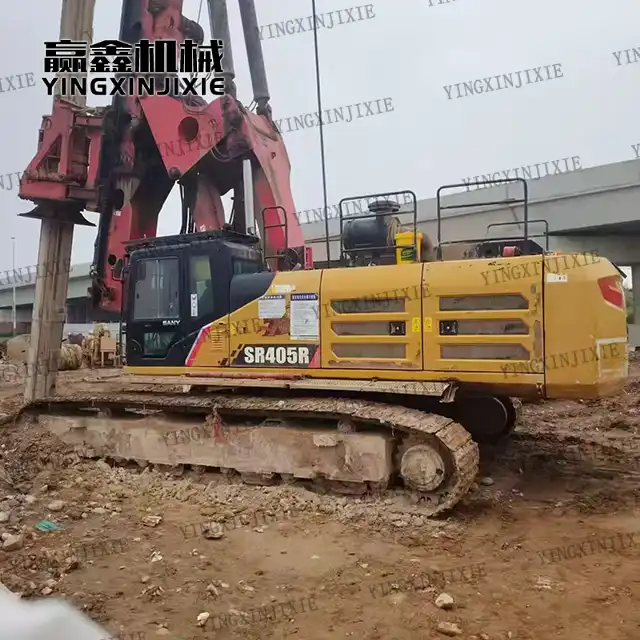
Low failure rate SANY Sr405 Rotary drilling rig
-
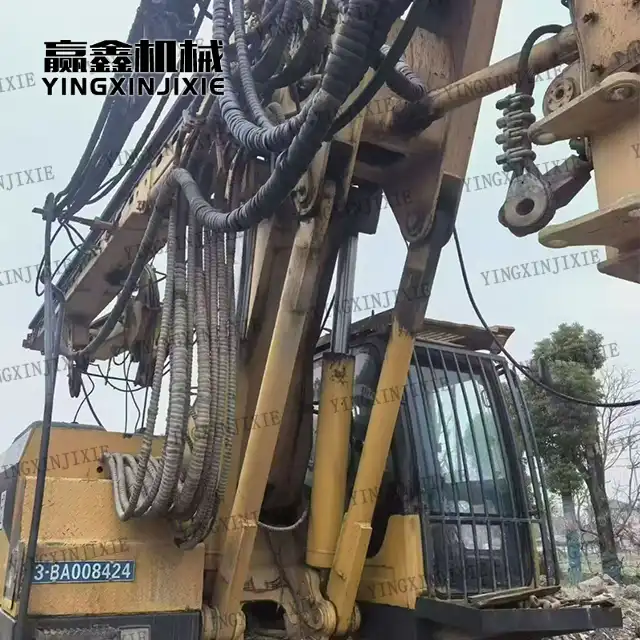
Lightweight efficient XCMG Xr180D Rotary Drilling Rig
-
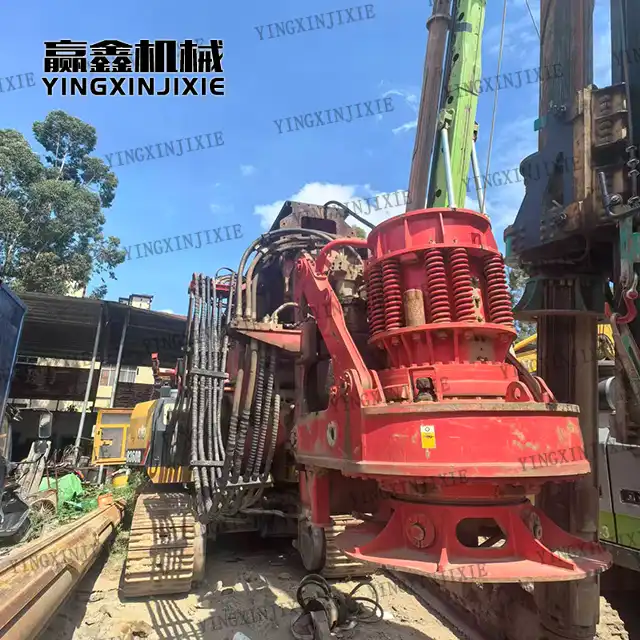
Rotary Drilling Rig sany Sr285 Capacity doubling