

Purchase value-added package service: replacement and maintenance of the entire machine’s oil filter element
Release time: 2026-04-03
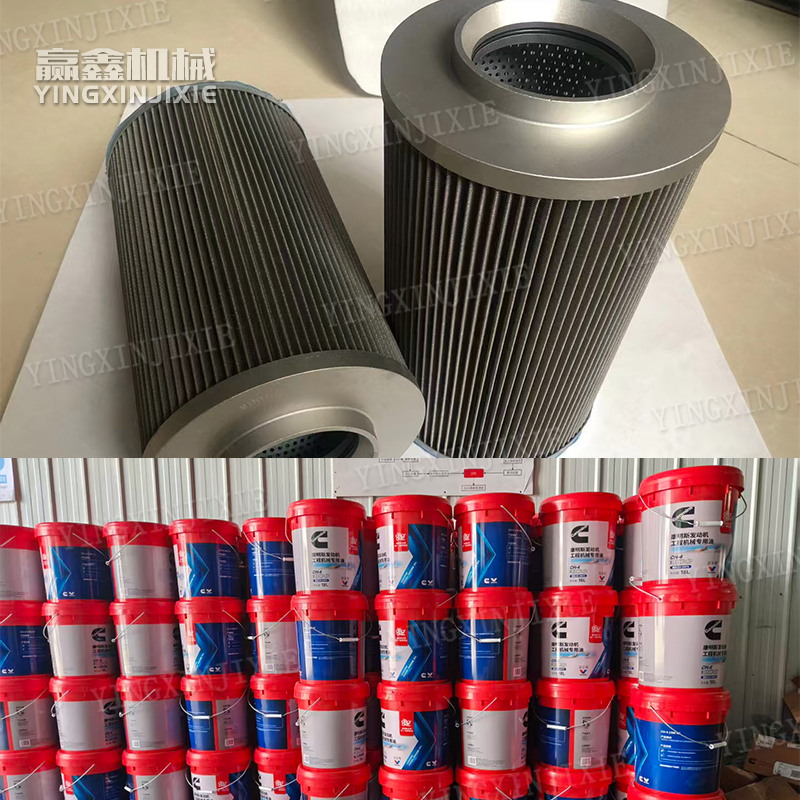
The oil filter element of the rotary drilling rig is the “guardian” of the equipment lubrication and hydraulic system, responsible for filtering impurities, metal shavings and other pollutants in the engine oil and hydraulic oil, avoiding wear of core components, and ensuring stable operation of the equipment. For second-hand rotary drilling rigs, due to different usage scenarios and incomplete maintenance records, the last maintenance time is often not fixed, which brings certain difficulties to subsequent maintenance.
Core pain points and timing of self maintenance
The core pain point of maintenance for second-hand rotary drilling rigs is the “irregular maintenance time”. Due to different handling parties in the early stage, some equipment has not retained complete maintenance records, making it difficult to accurately determine the specific time and specifications of the last filter replacement. If the old maintenance cycle is blindly continued, it may lead to excessive use of the filter, decreased filtration capacity, or unnecessary cost waste caused by premature replacement. Customers can choose the appropriate replacement time based on the actual operating conditions and accumulated working hours of their own equipment. Generally, when the rotary drilling rig operates continuously for 500-800 hours, or when the oil or hydraulic oil becomes turbid, blackened, or other abnormalities occur, the corresponding oil filter element needs to be replaced in a timely manner; If the operating environment of the equipment is harsh (high dust, mud, high load), the replacement cycle can be appropriately shortened to ensure that the filter element is always in an effective filtering state. It is worth noting that, on the premise that customers have the ability to replace and maintain equipment independently, independent operation can not only save maintenance labor costs, but also timely grasp the equipment status, avoiding delays in construction progress due to waiting for professional maintenance.
Professional replacement process: preliminary preparation and disassembly of old filter element
The replacement of the oil filter element of the rotary drilling rig should follow professional procedures and operate in a standardized manner to avoid damaging the equipment. The specific steps are as follows: Firstly, prepare the original filter element (oil filter element, hydraulic oil filter element, etc., which should match the oil specifications of the equipment) and special tools (wrench, oil basin, cloth, etc.) that are compatible with the equipment model, and ensure that the work site is flat, free of debris, and well protected for safety. Secondly, stop the machine for cooling. After the temperature of the engine and hydraulic system of the equipment drops to room temperature, turn off the power of the equipment to avoid injury caused by high-temperature oil splashing; Subsequently, locate the installation position of the filter element (the oil filter element is mostly located on the side of the engine, and the hydraulic oil filter element is located near the hydraulic oil tank), place an oil pan under the filter element, and slowly unscrew the old filter element with a wrench, taking care to avoid oil spillage. At the same time, clean the debris and old sealing gasket on the filter element installation seat to prevent oil leakage caused by poor sealing.
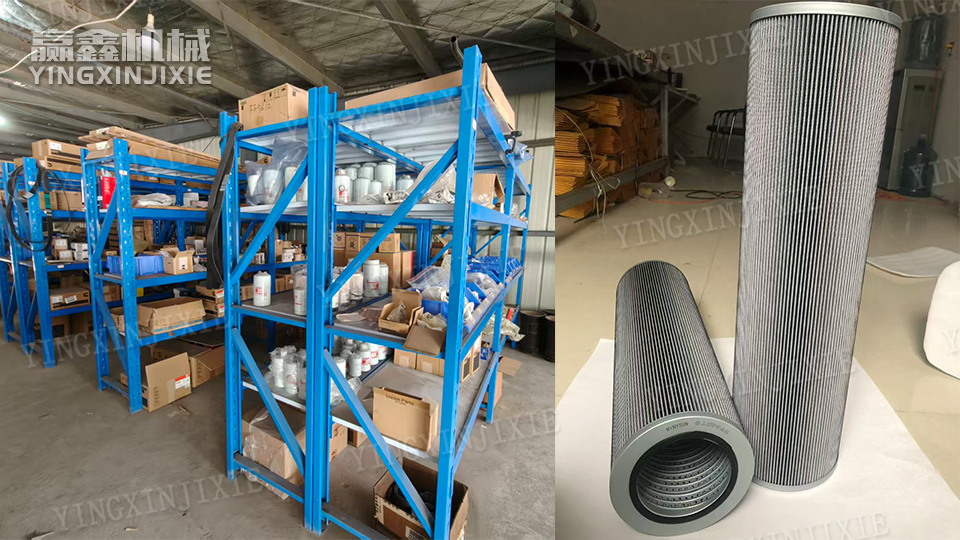
Professional replacement process: installation of new filter element and subsequent inspection
Finally, perform the installation and subsequent inspection of the new filter element: evenly apply a layer of clean engine oil on the sealing gasket of the new filter element to enhance the sealing performance, then manually screw the new filter element to the fitting installation seat, and gently tighten it with a wrench (the force should not be too strong to avoid damaging the sealing gasket or filter element); After installation, add new engine oil and hydraulic oil that meet the specifications, check if the oil level meets the standard, then start the equipment and run it at idle for 3-5 minutes, observe if there is any leakage in the filter interface and oil circuit, and check if the instrument display is normal. After the maintenance is completed, it is recommended that customers keep maintenance records, indicating the replacement time, filter specifications, and operating hours, to provide reference for subsequent maintenance and gradually establish a regular maintenance cycle. When performing self maintenance, it is important to note that if there are problems that cannot be solved such as the filter element not being turned or oil leakage, the operation should be stopped in a timely manner and professional personnel should be contacted to avoid equipment damage caused by improper operation.
Summary: Scientific maintenance, safeguarding the long-term operation of equipment
The standardized replacement of the oil filter element of the rotary drilling rig is the key to ensuring the normal operation of the equipment core system and extending the service life of the equipment. In response to the pain point of unstable maintenance time for second-hand equipment, customers can rely on their own maintenance capabilities, combined with the operating conditions and accumulated working hours of the equipment, to independently choose a reasonable replacement time, which not only avoids waste but also eliminates the hidden dangers caused by excessive use of filter elements. By following the professional replacement process described in this article, preparing in advance, standardizing disassembly and installation, and conducting subsequent inspections, self maintenance can be efficiently completed, effectively reducing equipment failure rates and saving maintenance costs. At the same time, cultivating the habit of keeping maintenance records and gradually establishing a regular maintenance cycle can further improve the stability of equipment operation and safeguard construction operations.