


Japan releases stable energy storage, large-scale equipment, global shipping faces short-term buffer
Release time: 2026-03-26
On March 26th local time, Japan officially launched the release of its national oil reserves. The first batch of releases started from the Kikuma base in Ehime Prefecture, and will cover 11 reserve bases across the country. The total expected release volume is about 8.5 million kiloliters, which, combined with the joint reserves of private and oil producing countries, has reached a historical peak in scale. This move aims to offset the energy supply shortage caused by the Middle East conflict and the obstruction of navigation in the Strait of Hormuz, stabilize fuel supply and prices, and create short-term benefits for global shipping logistics of large equipment such as rotary drilling rigs and pile drivers that rely on fuel. At the same time, it is difficult to completely offset the shipping obstruction and cost pressure caused by geopolitical conflicts.
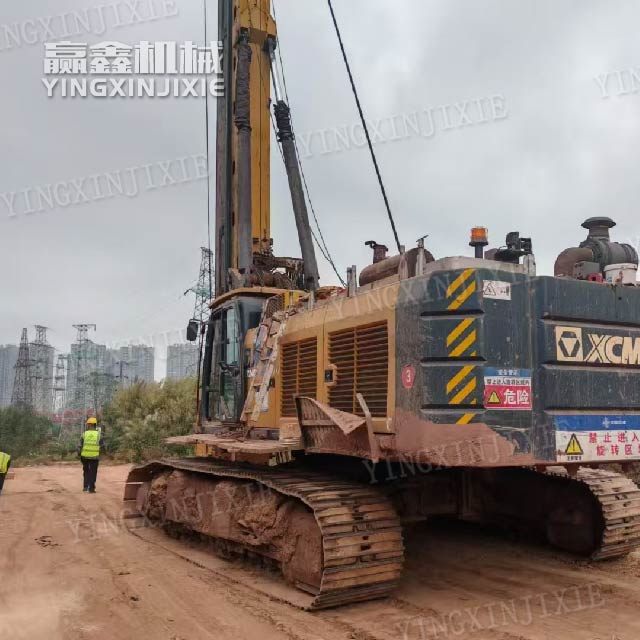
The fuel supply is stabilizing, and the pressure of heavy transportation costs is temporarily suspended
Japan’s large-scale release of oil reserves this time directly supplements the global supply of refined oil products, alleviates the shortage of shipping fuel, and provides a cost buffer for the transportation of large equipment. Rotary drilling rigs and pile drivers are mostly overloaded equipment, and the fuel expenses for ocean shipping and land transportation account for a high proportion of the total logistics costs. Previously, due to the impact of the Middle East situation, fuel prices continued to rise, significantly driving up equipment transportation expenses. With the release of Japan’s oil reserves into the market, the tightening trend of refined oil supply has been alleviated, the upward trend of fuel prices has been curbed, and the fuel expenditure pressure on logistics companies has been reduced. The fuel cost of transporting a single large equipment across oceans has slightly fallen, temporarily easing the pressure on profitability.
Improved shipping capacity turnover and optimized equipment transportation scheduling
After the stable supply of fuel, the capacity scheduling constraints of global shipping companies have been relaxed, and the problem of tight scheduling for the transportation of large equipment has been slightly improved. Previously, due to fuel shortages and high oil prices, some shipping companies were forced to slow down their operations and reduce their capacity deployment. Heavy lift and semi submersible vessels suitable for the transportation of rotary drilling rigs and pile drivers were facing tight transport capacity, resulting in significantly extended equipment transportation schedules. Japan’s release of storage guarantees the supply of shipping fuel, allowing shipping companies to restore normal speed and capacity, improve ship turnover efficiency, alleviate the shortage of capacity on Asia Pacific, European and other routes, shorten the waiting time for booking large equipment, and help equipment be transported to global infrastructure sites on time.
Releasing storage is only a short-term measure, and it is difficult for shipping costs to fall significantly
The oil release in Japan this time is an emergency supply, not a long-term supply increment, and it is difficult to fundamentally reverse the high shipping cost pattern of large equipment. The total amount of released reserves this time is only equivalent to one month’s domestic consumption in Japan. Coupled with the unresolved geopolitical conflict in the Middle East and the ongoing “soft blockade” of the Strait of Hormuz, the global oil supply gap still exists, and oil prices do not have a sustained downward basis. At the same time, pressures such as rising shipping insurance premiums and increased route detours remain, and the comprehensive transportation costs of rotary drilling rigs and pile drivers are still higher than normal. Logistics companies still need to cope with rigid cost pressures.
The Asia Pacific route has benefited significantly, with smoother flow of regional equipment
As an important energy consumption and shipping hub in the Asia Pacific region, Japan’s release of energy storage has a more prominent positive effect on Asia Pacific routes, helping to accelerate the circulation of large equipment in the region. East Asia and Southeast Asia are the core regions for the export and infrastructure demand of rotary drilling rigs and pile drivers. Cross border shipping of related equipment is intensive, and Japan maintains stable fuel supply, effectively ensuring the energy demand for port operations and ship operations in the region, easing congestion and transmission pressure at hub ports such as Singapore and Port Klang, optimizing transportation efficiency within the Asia Pacific region and across ocean routes, and promoting smoother allocation and export of large equipment in the Asia Pacific region.
Geopolitical risks still exist, and the industry still needs to build a strong risk defense line
Despite the short-term buffer brought by Japan’s stockpile release, the ongoing conflict in the Middle East and the incomplete recovery of global shipping links still require vigilance against multiple risks in the logistics of large equipment. The issues of route detours, port congestion, and war risk premiums caused by geopolitical conflicts have not yet been resolved. If the situation escalates further, there is still a possibility of a rebound in fuel prices. Logistics companies need to seize the short-term cost buffer window period, optimize modular transportation solutions for rotary drilling rigs and pile drivers, lock in fuel and transportation costs, reserve alternative routes, continue to do a good job in risk prevention and control, and cope with subsequent market fluctuations.