


Las fuertes fluctuaciones en los precios del petróleo, combinadas con juegos geopolíticos, provocan oscilaciones y ajustes en equipos, transporte marítimo y logística a gran escala.
Release time: 2026-04-02
Affected by the expected temporary easing of the situation in the Middle East and the interweaving of geopolitical risks, international oil prices fluctuated and rebounded after a significant decline in early trading on the first trading day of April, showing a significant fluctuation trend. London Brent crude oil futures fell below $100 per barrel during trading and rebounded above $101, while New York light crude oil futures fell below $97 at one point and then rebounded above $98. Trump’s statement that the United States may end its military action against Iran within two to three weeks has eased market concerns about energy supply disruptions, but the uncertainty of the Middle East situation still exists, and it is expected that the crude oil market will continue to maintain high volatility in the near future. This fluctuation directly impacts the global shipping fuel costs. Large engineering equipo such as rotary drilling rigs and pile drivers rely heavily on heavy lift ships and semi submersible ships for cross-border transportation, causing fluctuations and adjustments in shipping logistics in terms of cost control, capacity allocation, and order planning, facing multiple uncertainties and challenges.
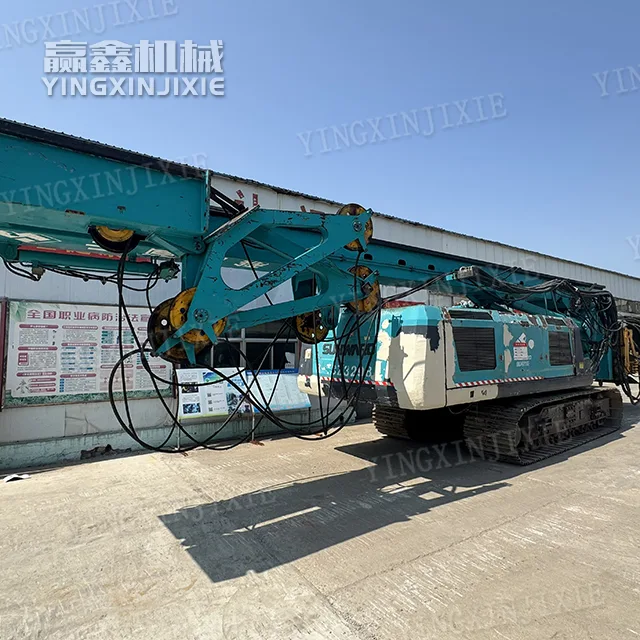
Oil price volatility transmission, equipment shipping costs are in an unstable state
The core impact of the significant fluctuations in international oil prices is the drastic fluctuations in fuel costs for large-scale equipment shipping, which disrupt the industry’s original cost planning rhythm. Cross border transportation of heavy-duty equipment such as rotary drilling rigs and pile drivers results in fuel costs accounting for 30% -40% or even higher of the total shipping cost. Some shipping companies’ fuel costs have exceeded 40%, and every fluctuation in oil prices is directly transmitted to equipo transportation expenses. The sharp drop in oil prices in early trading once gave logistics companies hope for cost reduction, but the subsequent rapid rebound has tightened cost expectations again. The short-term fluctuation range of fuel costs for a single large equipment transported across oceans can reach 5% -8%. This unstable state makes it difficult for logistics companies to lock in long-term costs, formulate reasonable transportation quotations, further squeeze profit margins, and indirectly increase the logistics cost pressure on equipment exporters.
Moderation of expected release, marginal relief of route obstruction pressure
Trump’s statement on ending the military operation against Iran sends a signal of temporary easing of the situation in the Middle East, which to some extent alleviates the navigation pressure in the Strait of Hormuz and brings marginal improvement to the shipping links of equipos grandes. Previously, due to the impact of the Middle East conflict, passage through the Strait of Hormuz was obstructed, forcing a large number of commercial ships to detour around the Cape of Good Hope, resulting in longer transportation routes and delayed delivery of equipment such as rotary drilling rigs and pile drivers. With the easing of supply interruption concerns, some shipping companies have begun to adjust their route planning, gradually reducing the additional costs and time losses caused by detours. The equipment transportation cycle has been slightly shortened compared to before, and the probability of demurrage and transportation has decreased, which has to some extent alleviated the time pressure faced by the industry.
Uncertainty still exists, and the allocation of transportation capacity is in a passive situation
Despite the rebound in oil prices and the release of easing expectations, the uncertainty in the Middle East situation remains high, leading to a passive allocation of shipping capacity for large equipment. Shipping companies are concerned about a significant increase in oil prices and dare not blindly increase the deployment of heavy-duty transport capacity. At the same time, they are afraid that the situation will ease and shipping demand will rebound, leading to insufficient transport capacity. Therefore, they often adopt a “wait-and-see” transport capacity layout, and maintain a cautious supply of heavy lift ships and semi submersible ships suitable for the transportation of rotary drilling rigs and pile drivers. This hesitation leads to unstable booking schedules for equipment transportation, and some orders are delayed due to temporary adjustments in transportation capacity. Logistics companies find it difficult to form a stable transportation capacity allocation plan, further exacerbating the uncertainty of equipment shipping.
Cost expectation differentiation and intensified fluctuations in equipment shipping quotations
The drastic fluctuations in oil prices have led to significant differentiation in industry expectations for future costs, directly affecting the stability of pricing for large-scale equipment shipping. Some logistics companies have raised their transportation prices in advance based on the expectation of oil price recovery, resulting in a temporary increase in cross-border transportation prices for equipment such as rotary drilling rigs and pile drivers; Some other companies adopt a wait-and-see attitude, maintaining their original quotations to seize orders, resulting in a chaotic situation of quotation. For equipment exporters, fluctuations in quotations make it difficult to accurately calculate export costs, and overseas buyers also delay or adjust equipment purchase orders due to cost uncertainty, indirectly affecting the stability of equipment shipping orders and disrupting the overall operational rhythm of the industry.
Long term high volatility expectations force the industry to optimize cost control
Market analysis generally believes that the crude oil market will continue to maintain high volatility in the near future, and this long-term uncertainty will force the large-scale equipment shipping and logistics industry to accelerate the optimization of cost control strategies. Logistics companies are adjusting their operating models one after another, hedging against oil price fluctuations by signing long-term fuel contracts, optimizing ship routes and sailing speeds, while increasing ship load rates and diluting unit transportation costs. For large equipment such as rotary drilling rigs and pile drivers, some logistics companies have implemented modular split transportation to improve port loading and unloading efficiency, shorten transportation cycles, reduce fuel consumption and demurrage costs, and cope with long-term pressure caused by oil price fluctuations through refined operations.
Regional transportation differentiation and adaptation adjustment to emerging markets
The interweaving of oil price fluctuations and geopolitical situations has led to a differentiated trend in regional shipping for large equipment, especially with a more pronounced impact on transportation in emerging markets. Some emerging market countries have higher fuel prices than the global average, and fluctuations in oil prices further drive up their domestic logistics costs, suppressing the import demand for equipment such as rotary drilling rigs and pile drivers, resulting in a contraction of cross-border shipping orders. At the same time, the expected easing of the situation in the Middle East has led to a slight increase in equipment transportation demand in regions such as the Middle East and Europe. Shipping companies are gradually adjusting their capacity layout, tilting towards areas with demand recovery, and promoting the gradual optimization of the regional structure of large-scale equipment shipping.