

Strategic oil reserve release, buffer and new situation of large-scale equipment transportation logistics
Release time: 2026-03-19
Madrid, March 18 (Xinhua) — The Spanish government announced on March 17 the partial release of its national strategic petroleum reserve, approving the release of 11.5 million barrels of oil to be supplied to the market in batches to cope with the energy market impact caused by the blockade of the Strait of Hormuz. This move responds to the unanimous decision of 32 member countries of the International Energy Agency to release 400 million barrels of strategic oil reserves, aimed at easing the global oil supply tension caused by the US Israel Iran conflict. This energy regulation measure directly affects the core cost link of transportation and logistics of large equipment such as rotary drilling rigs and pile drivers. Although it brings short-term buffering, it also faces new uncertainties due to the lag in release and storage, promoting the industry to seek new development paths in dynamic adjustment.
Release storage and relieve fuel pressure, leading to a short-term buffer in transportation costs
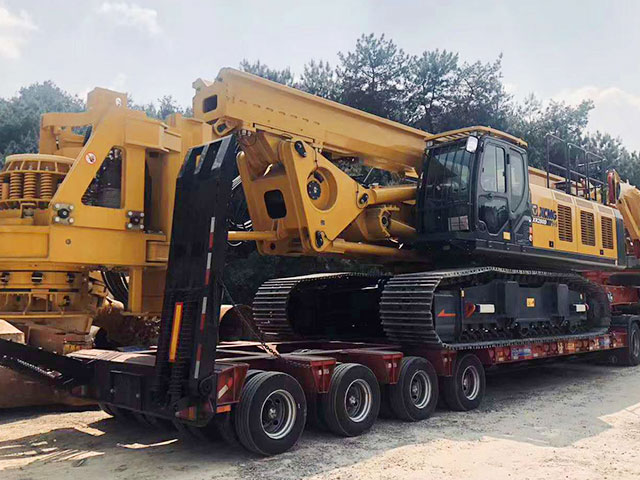
Spain’s release of strategic oil reserves, combined with the International Energy Agency’s coordinated release action, provides short-term support to alleviate the fuel cost pressure of large-scale equipment transportation. Large equipment such as rotary drilling rigs and pile drivers are mostly transported with heavy loads of up to 100 tons, and fuel costs account for more than 30% of the total cost of road transportation. Previously, due to the impact of the US Israel Iraq conflict and the Strait of Hormuz blockade, international oil prices continued to rise. As of March 19th, crude oil futures prices have reached 802.1 yuan, an increase of 8.49%, putting enormous pressure on logistics companies’ fuel expenditures. The 15 day release period for Spain’s first 3.75 million barrels of oil will gradually increase market oil supply, which is expected to ease the upward trend of oil prices and indirectly reduce fuel expenses for heavy transportation. For logistics companies that undertake cross regional transportation of rotary drilling rigs and pile drivers, the marginal decrease in fuel costs can moderately alleviate the profit squeeze dilemma, especially for small and medium-sized carriers, temporarily easing the operational burden caused by high oil prices.
There is a lag in the release of storage, and the cost relief effect is limited and uncertain
It should be noted that the release of strategic oil reserves by Spain and the International Energy Agency has a significant lag in regulating oil prices, making it difficult to fundamentally solve the cost pressure of large-scale equipment transportation. According to relevant evaluations, it takes several weeks for strategic oil reserves to be decided and loaded onto ships for deployment, and ocean transportation requires a long cycle. It takes 45 days to transport them to Asia alone, and the earliest they can reach the demand side is mid May, which cannot immediately alleviate the current high pressure on oil prices. At the same time, the market has already digested the news of reserve release in advance, and coupled with the unresolved issue of the Strait of Hormuz blockade, the potential supply loss is huge. Even if the reserve release scale reaches 400 million barrels, its inhibitory effect on oil prices is still limited. This is evidenced by the fact that after the International Energy Agency announced the reserve release, oil prices quickly rebounded and continued to rise after a short-term decline. This means that the transportation costs of rotary drilling rigs and pile drivers will continue to operate at a high level, and logistics companies will find it difficult to rely on the release of storage to achieve significant cost reductions, and still need to cope with the risk of cost fluctuations.
Improvement of cross-border transportation links and gradual optimization of equipment circulation efficiency
The core purpose of Spain’s release of strategic oil reserves is to cope with the energy supply shock caused by the blockade of the Strait of Hormuz. This measure indirectly improves the stability of cross-border transportation links for large equipment and helps improve the efficiency of equipment circulation. The cross-border transportation of rotary drilling rigs and pile drivers relies heavily on sea transportation. As an important global oil transportation channel, the blockade of the Strait of Hormuz not only increases oil prices, but also leads to congestion of shipping routes and longer transportation cycles. The export transportation cycle of some equipment has increased by more than a week compared to before. With the gradual deployment of strategic petroleum reserves, the tight energy supply situation has been alleviated to some extent, and the uncertainty of the shipping market has been reduced. Logistics companies can plan transportation routes more reasonably, reduce route detours and waiting times caused by energy supply concerns, especially for the transportation of rotary drilling rigs and pile drivers in the European direction. With the help of Spain’s energy supply adjustment, port loading and unloading, and mainline transportation connection can be optimized to shorten the cross-border circulation cycle of equipment and ensure the timely entry of overseas engineering equipment.
Cost expectations stabilize, logistics companies adjust operational strategies
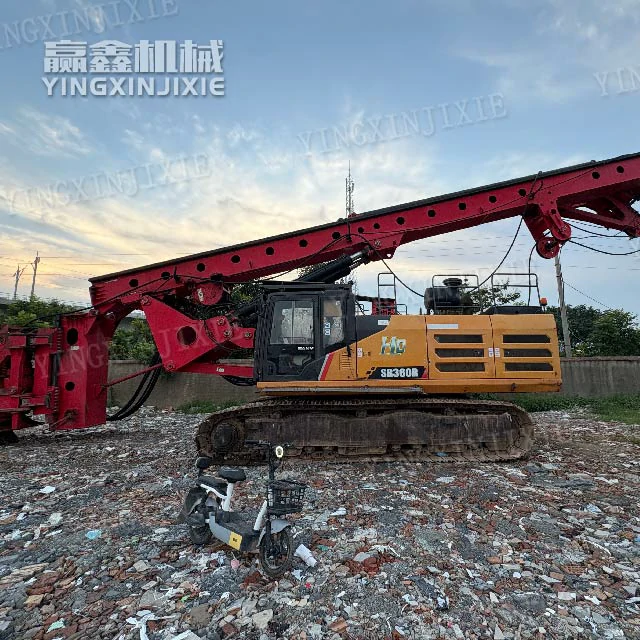
The expected stabilization of oil prices brought about by the release of strategic petroleum reserves has prompted large-scale equipment transportation and logistics enterprises to adjust their operational strategies and adapt to market changes. In response to the transportation characteristics of rotary drilling rigs and pile drivers, logistics companies are no longer simply passively bearing costs. Instead, they are taking advantage of the opportunity of stable cost expectations to optimize transportation capacity allocation. On the one hand, they are moderately increasing the scheduling of heavy-duty transport vehicles to alleviate the previous tightening of transportation capacity caused by cost pressures and shorten the equipment transportation cycle; On the other hand, in combination with the pace of releasing storage, we will negotiate with equipment manufacturers and shippers to adjust transportation quotations reasonably, gradually release some cost pressures, and sign short-term transportation agreements to lock in phased costs and reduce operational risks caused by oil price fluctuations. In addition, some leading logistics companies have also taken advantage of this opportunity to promote energy-saving transportation technology, optimize modular disassembly and transportation solutions for rotary drilling rigs, further reduce fuel consumption, and improve operational efficiency.
Long term uncertainty persists, industry strengthens risk prevention and control defense line
Despite the short-term buffer brought by the release of strategic oil reserves, the large-scale equipment transportation and logistics industry still faces many uncertainties in the long run. From an energy perspective, strategic reserves are only an emergency buffer measure and not a long-term supply source. If the US Israel conflict continues and the Strait of Hormuz blockade is not lifted, the tight oil supply situation will continue, and oil prices may rise again; From an industry perspective, the transportation demand for rotary drilling rigs and pile drivers is influenced by the pace of global infrastructure projects, while fluctuations in energy prices will indirectly affect project progress, thereby affecting equipment transportation demand. In this regard, logistics companies need to build a strong risk prevention and control line. On the one hand, they need to continuously optimize route planning, reserve multiple alternative routes, and avoid the risks of cross-strait navigation; On the other hand, we need to strengthen collaboration with international logistics companies, predict oil price trends and energy supply changes in advance, improve the protection and transportation plans for rotary drilling rigs and pile drivers, promote the upgrading of transportation capacity structure, and promote new energy heavy-duty vehicle models to reduce dependence on traditional petroleum energy in the long run and enhance the industry’s ability to resist risks.