

| engine | Cummins QSM11-C335 |
| power | 250kW |
| engine speed | 2100rpm |
| Maximum torque of the power head | 300kN/m |
| rotational speed | 6~28rpm |
| High-speed soil throwing | 70rpm |
| Maximum drilling diameter | 2500mm |
| Maximum drilling depth | 86m |
| walking speed | 1.75km/h |
| Climbing gradient | 15° |
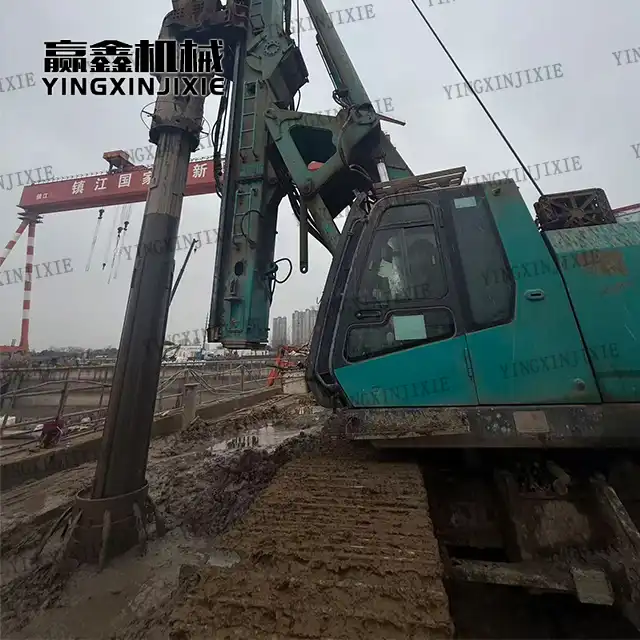
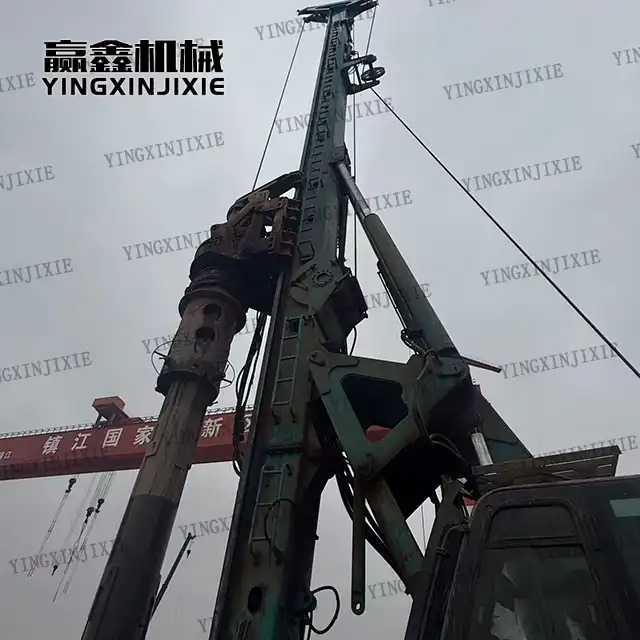
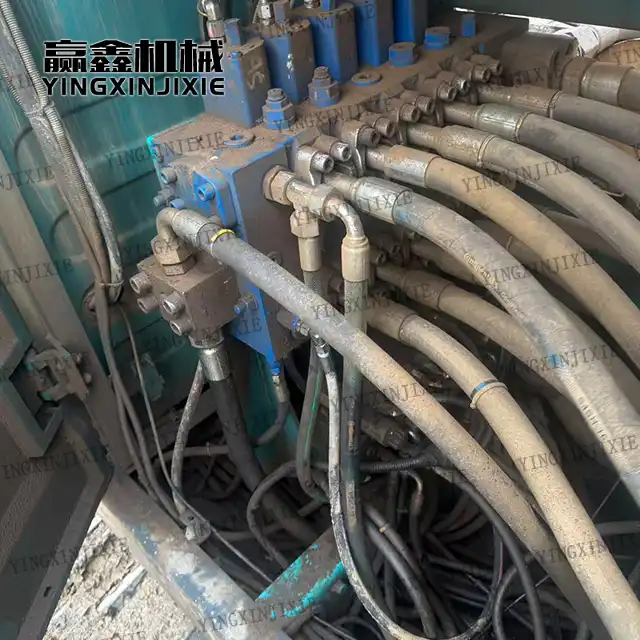
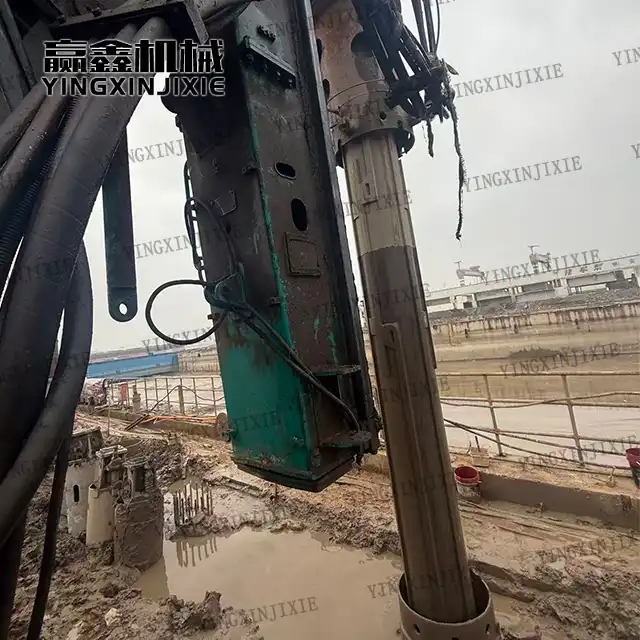
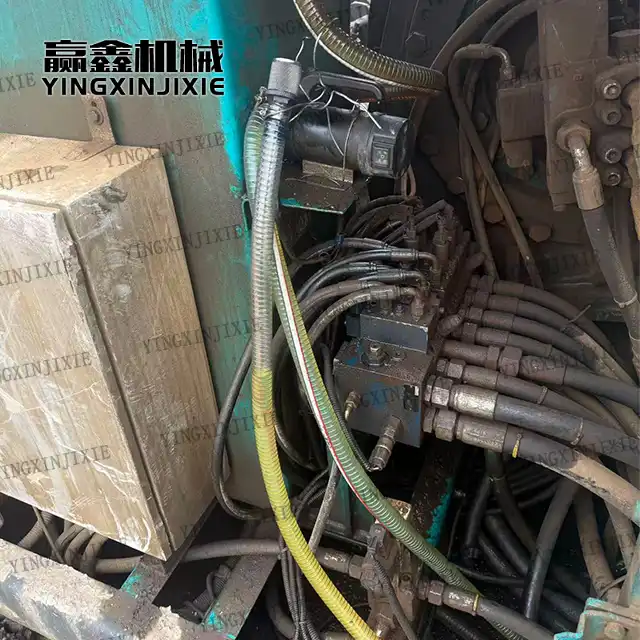
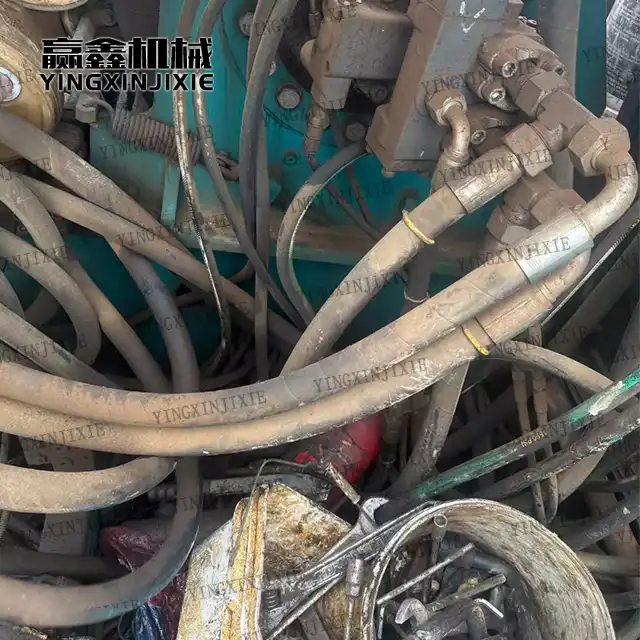
Dynamic stability SUNWARD Swdm280 Rotary Drill Rig
وصف
وصف تفصيلي
وصف
The Sunward SWDM280 rotary drilling rig is a medium-to-large-sized model that emphasizes high efficiency and stability, strong rock-penetrating capability, good fuel economy, and maneuverability and flexibility. It excels in pile foundation projects such as urban infrastructure, bridges, and high-rise buildings.
Strong power and high torque
Equipped with high-power engines such as Cummins QSM11, with a rated power of approximately 298kW and a maximum output torque of 300kN·m, it boasts ample power reserves.
Utilizing dynamic optimization control technology, it achieves real-time power distribution, fast action response, and high rock-breaking and drilling efficiency.
Strong drilling capability
Maximum drilling diameter: 2.5m (without casing).
Maximum drilling depth: 86m (mechanical lock rod) / 56m (friction rod).
The main winch has a lifting capacity of 320kN and a maximum speed of 62m/min, while the auxiliary winch has a lifting capacity of 110kN and a maximum speed of 65m/min, ensuring high efficiency in both lifting and lowering the drill.
The maximum pressing force of the pressurized winch is 260kN, the pulling force is 280kN, and the pressing stroke is 6000mm. It is suitable for complex formations such as hard rock and cobblestone layers.
Excellent rock penetration performance (core highlight)
Rock-adaptive technology: automatic matching of torque, speed, and pressure to enhance drilling efficiency in hard rock.
New power head: Enhanced buffering device, shock absorption capacity increased by 4.3 times, and the lifespan of the motor and reducer increased by 3 times.
With high pressure and stability, it excels in rock penetration efficiency among similar models.
II. Structural and Stability Advantages
Special chassis design: A hydraulic telescopic chassis specifically designed for rotary excavation, with the main and auxiliary winches arranged on the platform. The overall machine has a low center of gravity and strong anti-overturning capability.
Optimize the luffing mechanism: converge the system’s center of gravity, enhance stability, and reduce the load on each hinge point.
New mast structure: The rigidity and fatigue resistance have been significantly improved, and it has passed the fatigue strength test certification.
Auxiliary leg: The auxiliary leg on the lower mast provides additional support, facilitating the maintenance of the lower casing and drill rod.
Stepped drum: Single-layer winding of steel wire rope without compression, protecting the rope-wearing section and extending service life.
III. Fuel economy and efficiency advantages
Low fuel consumption: The fuel consumption per unit of work is 15%–20% lower than similar models, offering significant cost advantages over long-term use.
Efficient construction: The main winch operates at a fast speed and is equipped with a one-button soil shaking function, reducing auxiliary time and achieving high overall construction efficiency.
Compact and flexible: The vehicle body is compact, equipped with a track telescoping function, and has good trafficability, making it suitable for operations in densely populated urban areas, mountainous regions, and narrow spaces.
IV. Advantages in Intelligence and Reliability
Intelligent configuration: Equipped with automatic leveling and fault diagnosis systems, it offers convenient operation and easy maintenance.
Rotary brake: Increase the rotary braking force to effectively protect the output shaft of the reducer.
Brand and Service: Sunward Intelligent boasts profound technical expertise in the field of underground engineering equipment, with a wide-ranging after-sales service network and timely parts supply.
V. Applicable Scenarios
Medium and large-scale pile foundation projects: high-rise buildings, highway/railway piers, bridges, municipal engineering, etc.
Geological conditions: Optimal efficiency in clay, sand layer, and soft soil foundation; also capable of dealing with complex strata such as hard rock and cobblestone layers.
Characteristics of the venue: Projects requiring high mobility, such as those in densely populated urban areas, mountainous regions, and narrow spaces.
قد يهمك ما يلي
متعلق ب منتجات
نحن متخصصون في بيع الحفارات المستعملة عالية الجودة وغيرها من آلات البناء، بالإضافة إلى توفير إمدادات شاملة من قطع الغيار.-
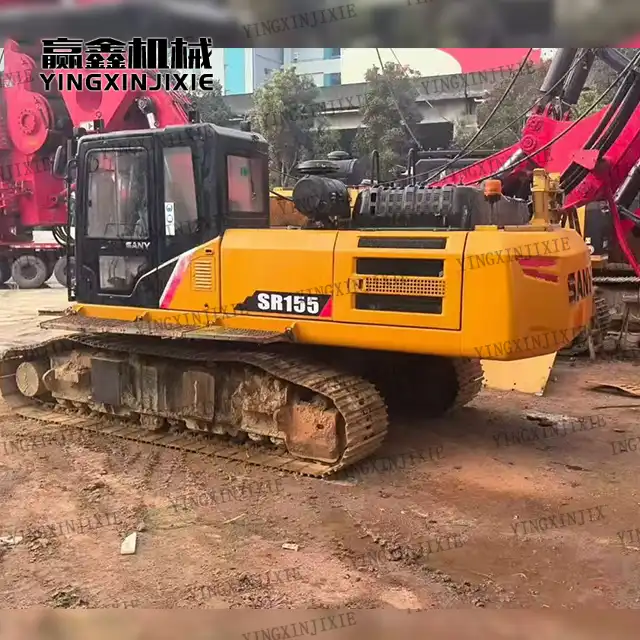
highly adaptable SANY Sr155 Rotary drilling rig
-
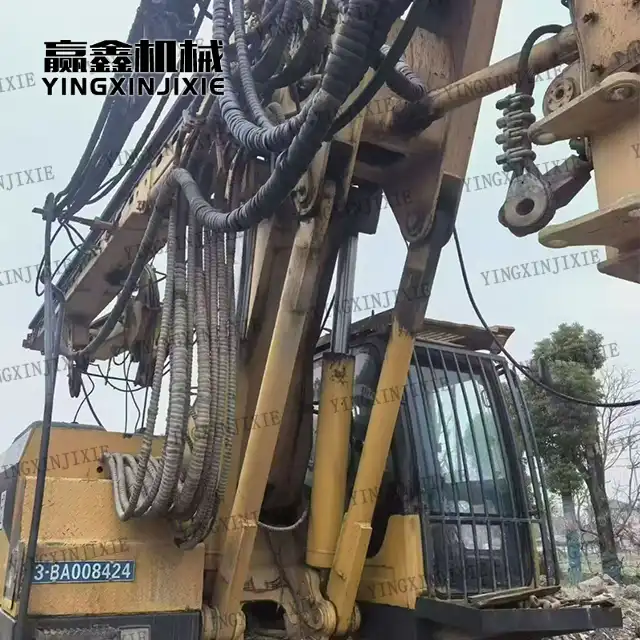
Lightweight efficient XCMG Xr180D Rotary Drilling Rig
-
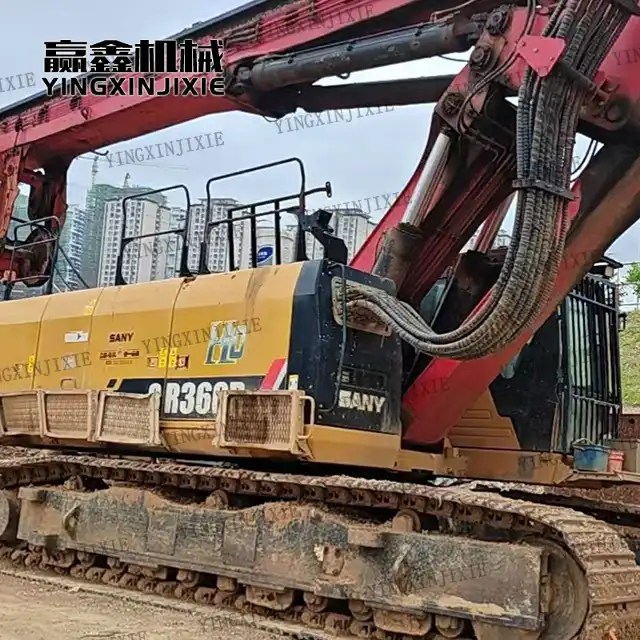
Rotary Drilling Rig SANY Sr360 High drilling efficiency
-
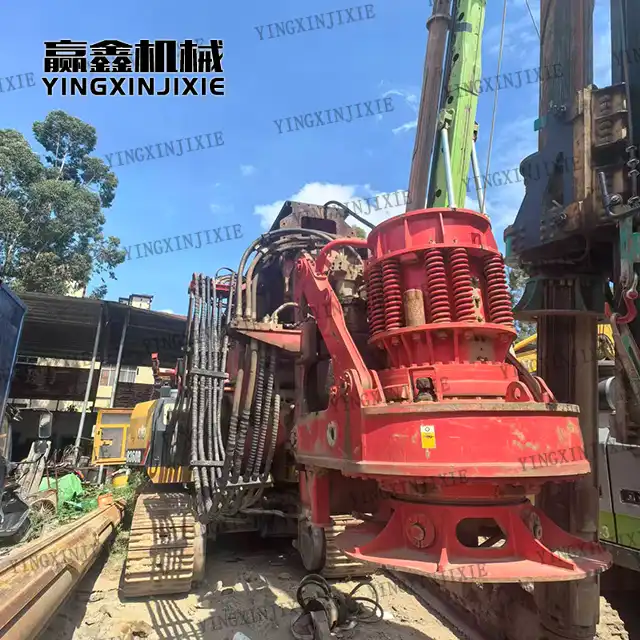
Rotary Drilling Rig sany Sr285 Capacity doubling
-
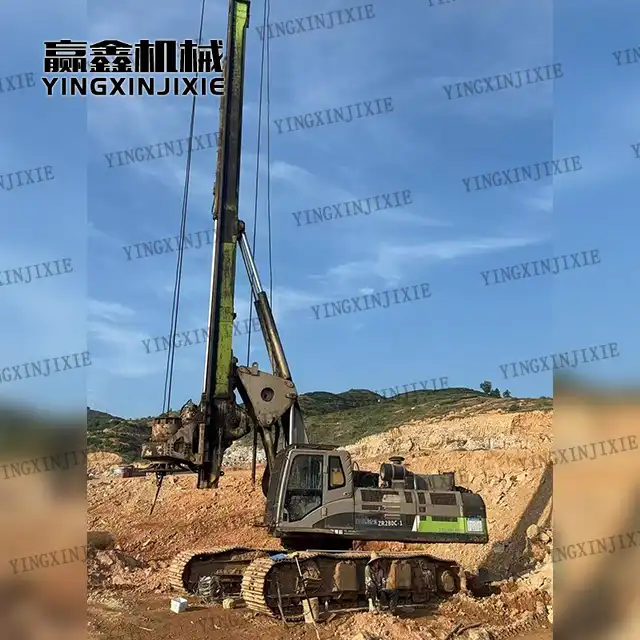
Rotary Drilling Rig ZOOMLION Zr220 Reliable power
-
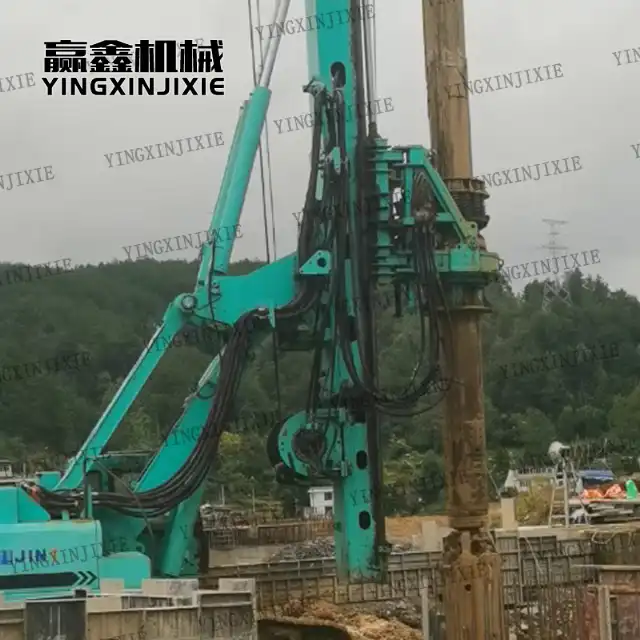
Precise alignment with holes JINT SD28 Rotary drilling rig
-
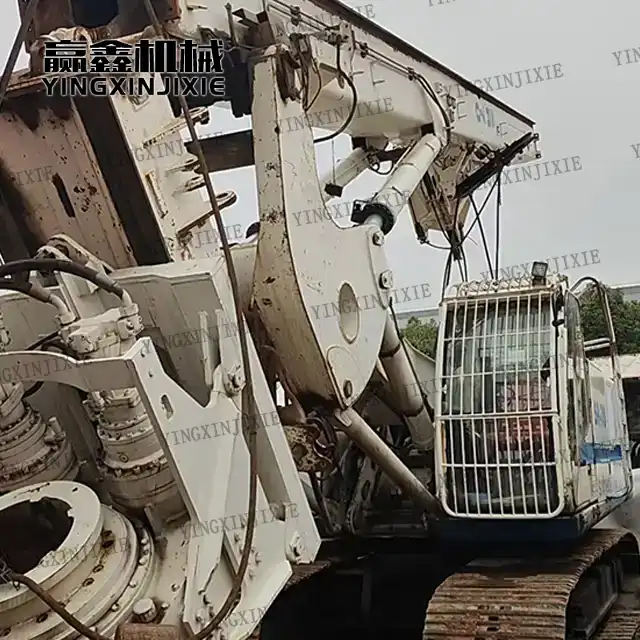
Hydraulic upgrade Solimec Sr70 Rotary Drill Rig
-
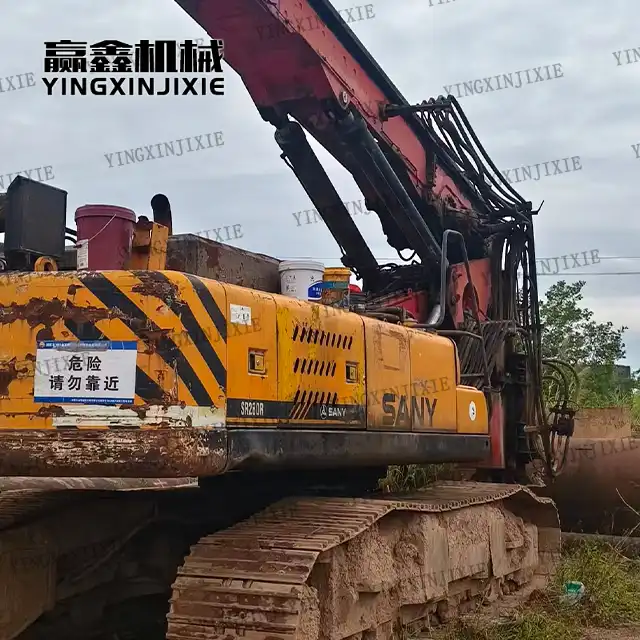
High-speed hole formation SANY Sr280 Rotary Drill Rig